Last March, my neighbor Dave in Carmel called me in a panic. His finished basement had two inches of water. His sump pump sat silent in the pit—plugged in, but the float was stuck against the side wall. One storm, one stuck float, and a whole room of carpet and drywall ruined. He'd never tested the pump because, in his words, 'It worked fine when they built the house.' Problem is, sump pumps don't send you a warning text before they quit. They fail quietly until the water shows up.
That's why sump pump testing matters around here. Central Indiana gets hit with intense spring and summer thunderstorms, and our clay-heavy soil holds water right up against foundations. If your pump doesn't kick on when the pit fills, you're looking at a wet basement fast. Neighborhoods like Broad Ripple, Irvington, and older parts of Greenwood and Zionsville have basements that are especially prone to this. As a handyman service, we see this all the time—people call us after the water is already in, but the fix is usually simple if you catch it early.
Why Sump Pump Testing Matters in Indianapolis
Think of your sump pump like a smoke detector. You don't wait for a fire to find out the battery is dead. Same idea here. In Indianapolis, we get downpours that can dump an inch of rain in an hour. If your sump pit fills faster than the pump can move water out, or if the float is jammed, you're relying on luck. And luck runs out.
A lot of homes in Carmel, Fishers, and Westfield are built on flat lots. That means water doesn't always slope away from the house the way it should. Your discharge line has to do extra work to push water far enough from the foundation. If that line is frozen, kinked, or clogged with leaves from fall, the water backs up into the pit and then into your basement. Annual sump pump testing catches these issues before the first big storm.
How to Test a Sump Pump Yourself (Without Wrecking It)
You can do a basic sump pump test in about ten minutes. You don't need special tools. Here's the order I follow when I do it for homes in Avon, Plainfield, and Brownsburg.
Start with the basics: power and pit
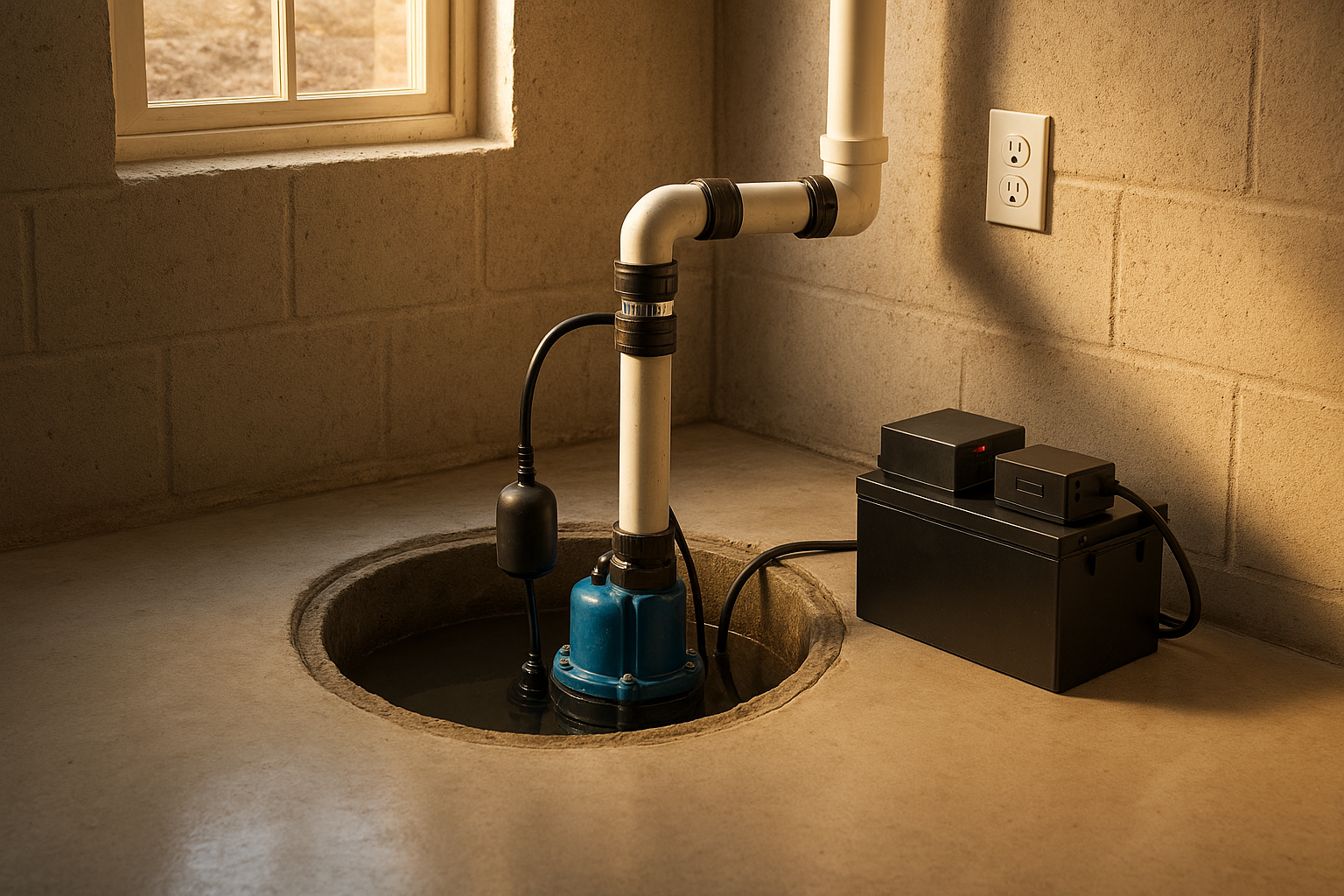
First, look at the outlet. Is the pump plugged in? Sounds obvious, but I've found pumps unplugged because someone needed the outlet for a dehumidifier and forgot to plug it back. Check for a tripped GFCI outlet—press the reset button if it's popped. Then look inside the pit. Is there water sitting in it? Some water is normal, but if the water level is above the float switch and the pump isn't running, you've got a problem.
The float switch test
Grab a bucket of water—about three to five gallons. Slowly pour it into the pit until the float rises. The pump should kick on automatically. Listen for the motor, then watch the water level drop. Pour another bucket or two to make sure it cycles again. This is the most common test, and it catches stuck floats, bad switches, and dead pumps. If the pump doesn't turn on, don't keep pouring water. Unplug it and inspect the float for debris or binding.
Check the discharge line and check valve
After the pump runs, go outside and see where the water comes out. It should be shooting out of a pipe that slopes away from the house. If you see water dribbling out right next to the foundation or pooling against the wall, the discharge line needs work. Also check the pipe right above the pump for a check valve—usually a black or clear fitting with an arrow on it. That arrow should point away from the pump, up toward the outside. If the check valve is missing or installed backward, water flows back into the pit after every cycle, and the pump short-cycles. That wears it out fast.
If you have gutters, make sure they're not dumping water right next to the foundation either. We wrote a whole post about whether gutter guards are worth it in Indiana—short version, they keep leaves out of your gutters so water flows where it should.
Test the battery backup and alarm
Power flickers during storms are common around here. If you have a battery backup sump pump, test it once a year. Most units have a test button. Hold it for a few seconds and listen for the backup pump to kick on. Check the battery terminals for corrosion and the charger light for a steady green. Batteries usually last three to five years. If yours is older than that, replace it before the wet season. No backup? Consider adding one. Crawl space moisture problems in Fishers and Noblesville often come from sump failures during power outages.
While you're at it, check if you have a high-water alarm on the pit. It's a small float or sensor that beeps if the water gets too high. Test it by lifting the sensor. If you don't have one, they're cheap insurance.
A note on GFCI outlets
Sump pumps near water should be on a GFCI outlet for safety, but some older pumps with large motors can trip a GFCI when they start up. If your pump keeps tripping the outlet, that's a sign the pump is drawing too much current or the outlet is worn out. Don't bypass the GFCI—call someone who knows what they're doing. Sump pump troubleshooting can get tricky when electrical work is involved, but a handyman who's comfortable with basic electrical can replace the outlet or upgrade the circuit if needed.
Common Sump Pump Problems in Central Indiana
One spring, a homeowner in Noblesville told me his pump ran every four minutes, even when it wasn't raining. Turns out the check valve was missing entirely. Every time the pump shut off, water from the discharge pipe drained back into the pit, raised the float, and kicked the pump back on. That short-cycling wore out the motor in less than two years. A $30 check valve would have fixed it.
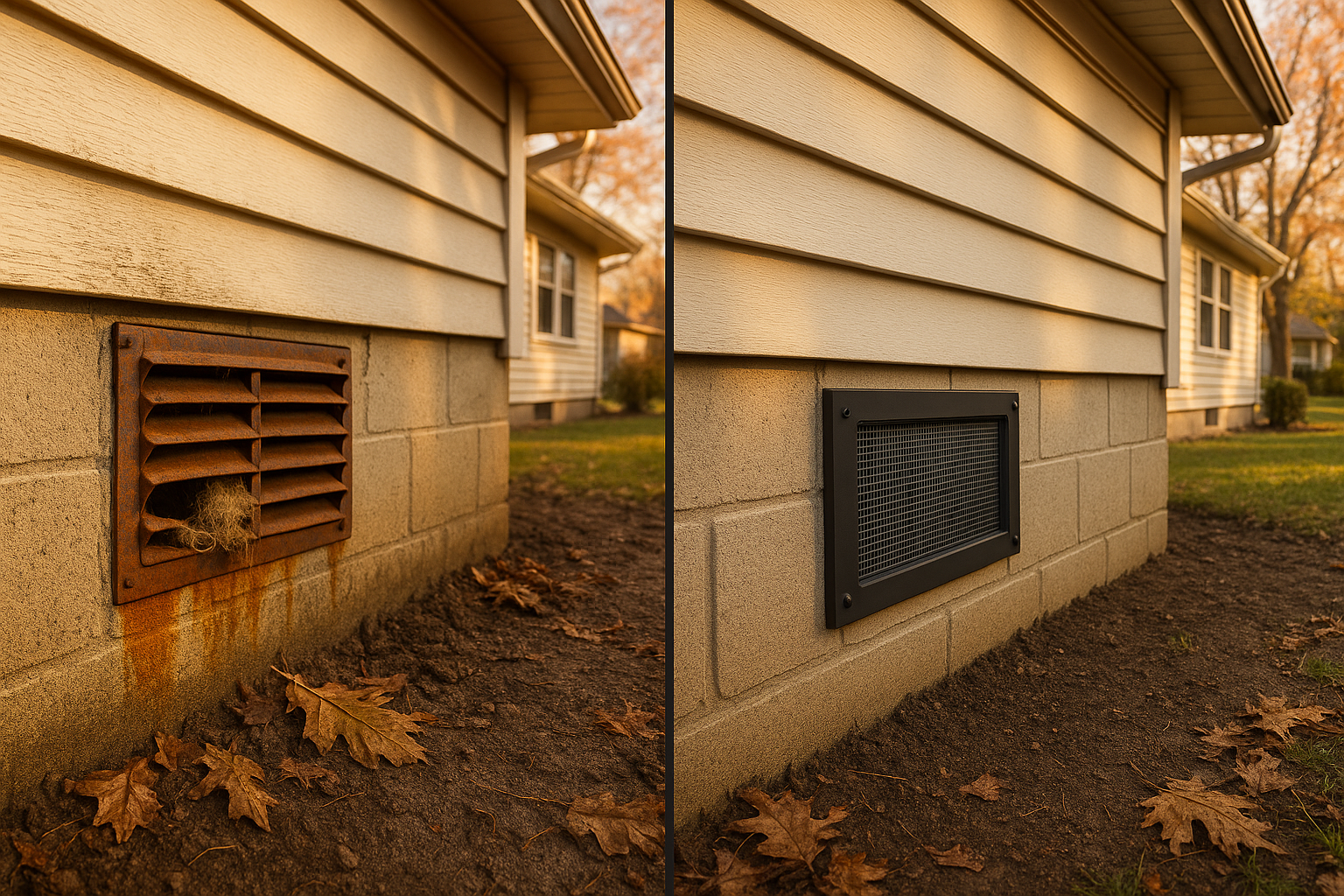
Another common issue is frozen discharge lines. In late winter, we get those freeze-thaw cycles. If your discharge pipe ends right at the foundation and the water doesn't drain completely, it can freeze solid. Then the next rain backs up into the basement. That's why the discharge should terminate at least four feet from the house, slope away, and have an air gap or freeze guard if you're in an area that freezes hard. If you have a crawl space, you already know how cold air gets under there—check out our post on crawl space vent covers for winter in Indiana to keep things dry and warm.
Rusty water in the pit, unusual noise, or a pump that's older than seven years are all signs you might need a replacement. Sump pumps don't last forever. If you're hearing grinding or rattling, the bearings are going. If the motor hums but doesn't pump, the impeller may be jammed. A professional sump pump inspection can tell you if it's worth repairing or if replacement makes more sense.
When to Call a Handyman for Sump Pump Help
Sump pump work sits in a weird spot—it's plumbing, electrical, and general handyman work all rolled together. You don't always need a licensed plumber for a simple float adjustment or discharge line extension. But if you're not comfortable kneeling in the pit or messing with wiring, call someone who does this regularly. We're based in Indianapolis and cover Carmel, Fishers, Zionsville, Westfield, Noblesville, Greenwood, Brownsburg, Avon, Plainfield, and Lawrence.
A good pro will tell you what's actually wrong, not just sell you a new pump because it's old. We've talked homeowners out of replacing pumps that just needed a new float or a clean pit. And we've also told people with a ten-year-old pump that it's time. Honest advice saves you money either way.
Get Your Sump Pump Ready for the Next Storm
Don't wait for the next downpour to find out your pump is dead. A quick sump pump test now takes ten minutes. If you'd rather have a second set of eyes, or if you find something that needs fixing, we can come out and run through a full inspection. We'll test the float, the check valve, the discharge line, the GFCI, and the battery backup. Then we'll give you a clear list of what's fine and what needs attention—no pressure, no upsells.
If you're in Indianapolis or any of the surrounding areas, get a quote for sump pump service here. Better to find the problem in dry weather than to wake up to a wet carpet at 3 a.m.
Ready for a free estimate?
Send us the list, and we'll quote a flat price before we schedule — no pressure, no obligation.