Last winter, my friend Jen in Broad Ripple sent me a photo of her living room thermometer. It read 58 degrees. The heat was running nonstop, but the window next to the couch felt like an open refrigerator door. Her house is a 1930s bungalow with the original wood double-hung windows. She'd already tried closing the curtains and shoving a rolled-up towel along the sill. Nothing helped. The real fix turned out to be a thin, clear layer of window insulation film over the trim, plus a few quick air-sealing tricks. By the next morning, that same room held at 68 without the furnace kicking on every ten minutes.
How Window Insulation Film Works
Window insulation film is basically a clear plastic sheet you tape over the inside of a window frame. Then you use a hair dryer to shrink it tight. It traps a pocket of air between the glass and the film. That air pocket acts like an insulating layer. Cold air can't leak through the tiny gaps around the sash. Warm air from your furnace doesn't rush out as fast. The result? Less draft, warmer room, and the furnace doesn't work as hard.
According to the Department of Energy, windows can account for 25-30% of your home's heating energy use. That's a huge number. In a drafty Indianapolis house, sealing the worst windows can save real money on your utility bill.
You can buy a window insulation kit at any hardware store. Most kits include the film, double-sided tape, and sometimes a plastic tool to press the film down. There are three main kinds: the cheap shrink-film kits you seal with a hair dryer, reusable static-cling films that peel off without adhesive, and low-e insulating films that also reflect some heat. For most Indy homes, the standard shrink film is plenty. But if you rent or want to open the window on a warm day, static-cling is easier.
Which Indy Homes Benefit Most
I've seen this over and over in homes across Indianapolis. The 1920s bungalows in Irvington, the 1950s ranches in Greenwood, even newer builds in Fishers with cheap builder-grade windows. If you've got single-pane glass, old wood sashes, or windows that face north or west, you feel the winter wind. Film helps a lot. Renters like it because it's removable. You can peel off the tape without leaving a mark (if you use the right kind). And if you live in a historic district like Old Northside, you can't always change the windows on the outside. Interior film keeps the original look while cutting the draft.
If you live in Carmel or Zionsville and your living room faces west, you know that January wind. The flat terrain around Indy means there's nothing to block the wind. North-facing windows in Lawrence or Plainfield get almost no sun in winter. Those are the rooms that feel like ice boxes. Film makes a noticeable difference.
Pairing Film with Other Draft Fixes
Window insulation film is great, but it won't fix a broken window pane or a rotten sill. If you have a cracked pane, check out our post on broken window pane vs full sash replacement. For most drafty windows, the best combo is film plus weatherstripping on the moving parts, and a bead of caulk where the trim meets the wall. We wrote a whole guide on exterior caulking before the first freeze. That kind of air sealing makes the film even more effective. And don't forget sash locks. Tightening them pulls the window shut and closes small gaps.
What About Condensation and Appearance?
A common worry: will the film trap moisture and cause mold? The answer is no, if you manage indoor humidity. In winter, keep your home's relative humidity around 30-40%. That's usually comfortable and stops condensation from forming on the film. If you see condensation on the film, that's not a failure — it means the film is stopping warm, moist air from hitting the cold glass. Wipe it off and lower the humidity a bit. Also, make sure weep holes on the outside of the window aren't blocked. That lets any moisture between the glass and film drain out.
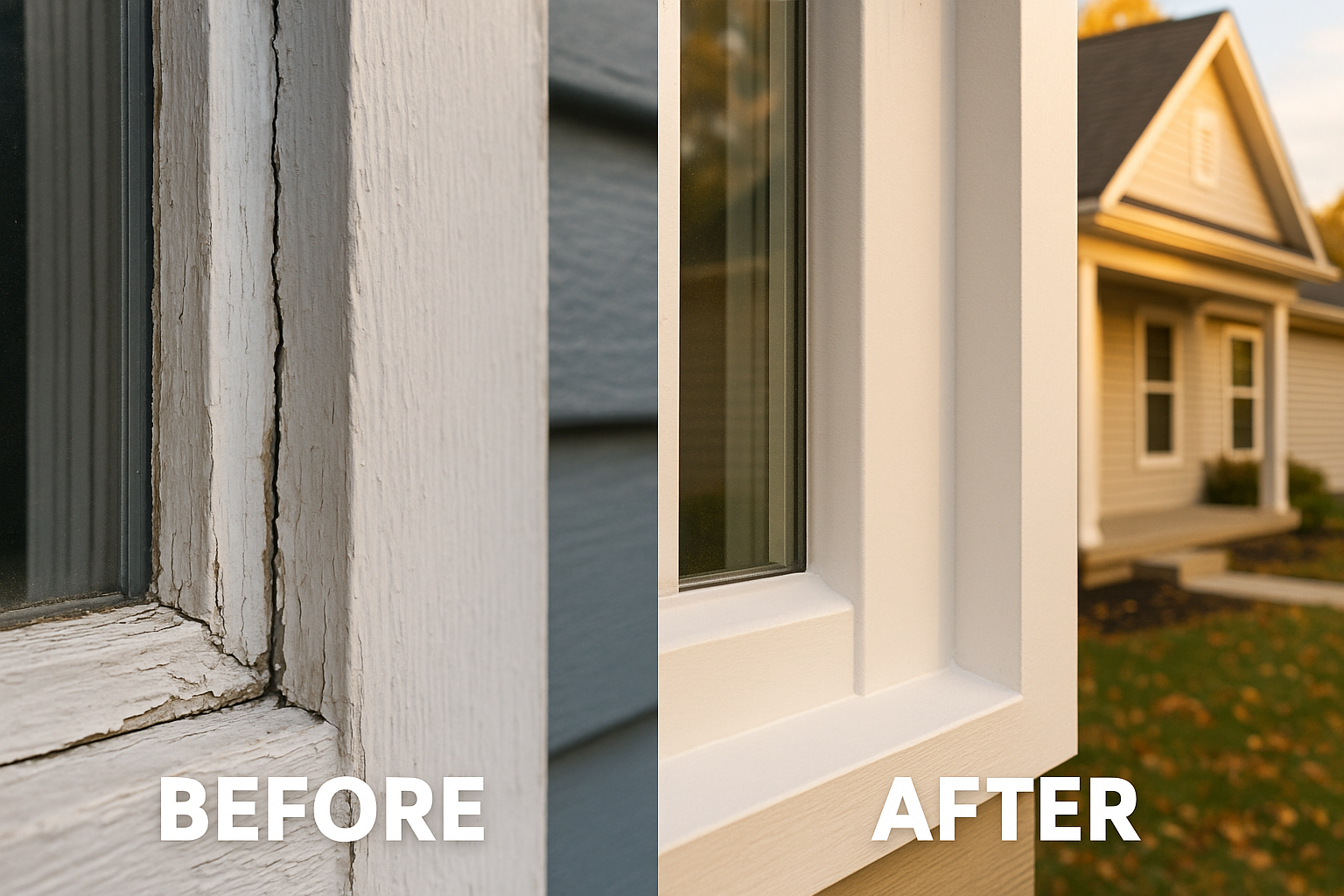
A well-installed film is practically invisible. The key is pulling it tight and using a hair dryer to shrink out wrinkles. Cheap kits often look cloudy because people don't take their time. HandyPros uses premium film and a careful process, so you won't stare at a foggy plastic sheet all winter.
DIY vs. Professional Installation
You can pick up a window insulation kit at Lowe's and do it yourself. But here's the thing: those DIY jobs often end up with wrinkles, gaps, and tape that peels off by January. A pro will cut the film to fit, apply the tape evenly, and heat-shrink it so it's nearly invisible. HandyPros does window-by-window assessments, uses premium clear film, and leaves a clean result. You might pay a little more, but you'll avoid the frustration of redoing it. Plus, we can spot other issues while we're there — like a missing piece of weatherstripping or a gap in the caulk line.
DIY kits cost about $10-20 per window. Professional installation usually runs $20-40 per window, depending on size and condition. For a whole house, that's a few hundred dollars. Compare that to replacing windows, which can run $500-1200 per window. Film is a fraction of the cost and gives immediate comfort.
When to Schedule Your Window Draft Assessment
In Indianapolis, the first hard freeze usually hits late October or early November. By December, we're in the deep cold. That's why late September and October are the best times to get window insulation film installed. Call HandyPros for a quick assessment. We'll check each window, recommend film or weatherstripping or caulk, and give you a straight price. You can request an estimate here. You don't want to be taping plastic over windows in January when it's 10 below. Trust me on that one.
Ready for a free estimate?
Send us the list, and we'll quote a flat price before we schedule — no pressure, no obligation.