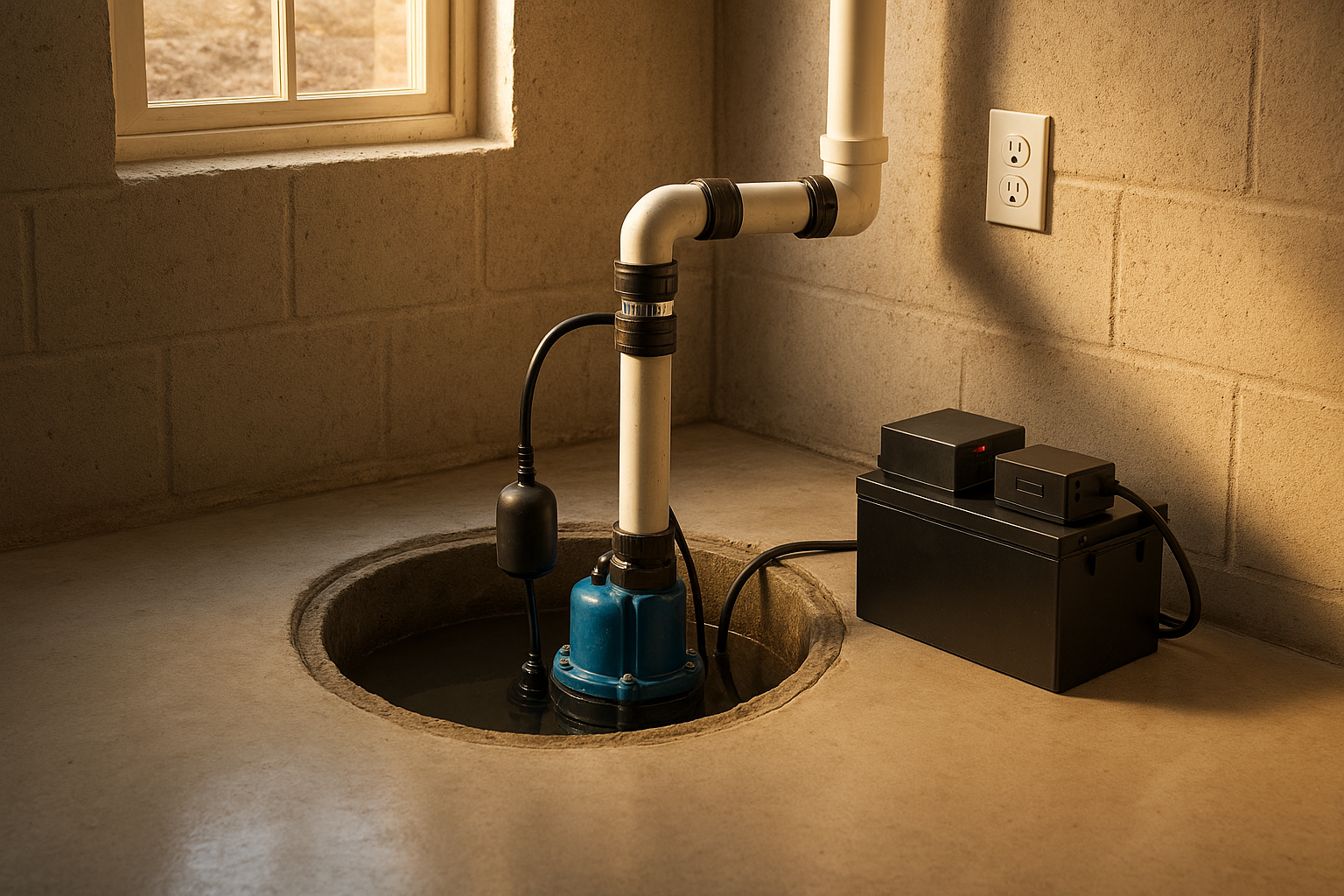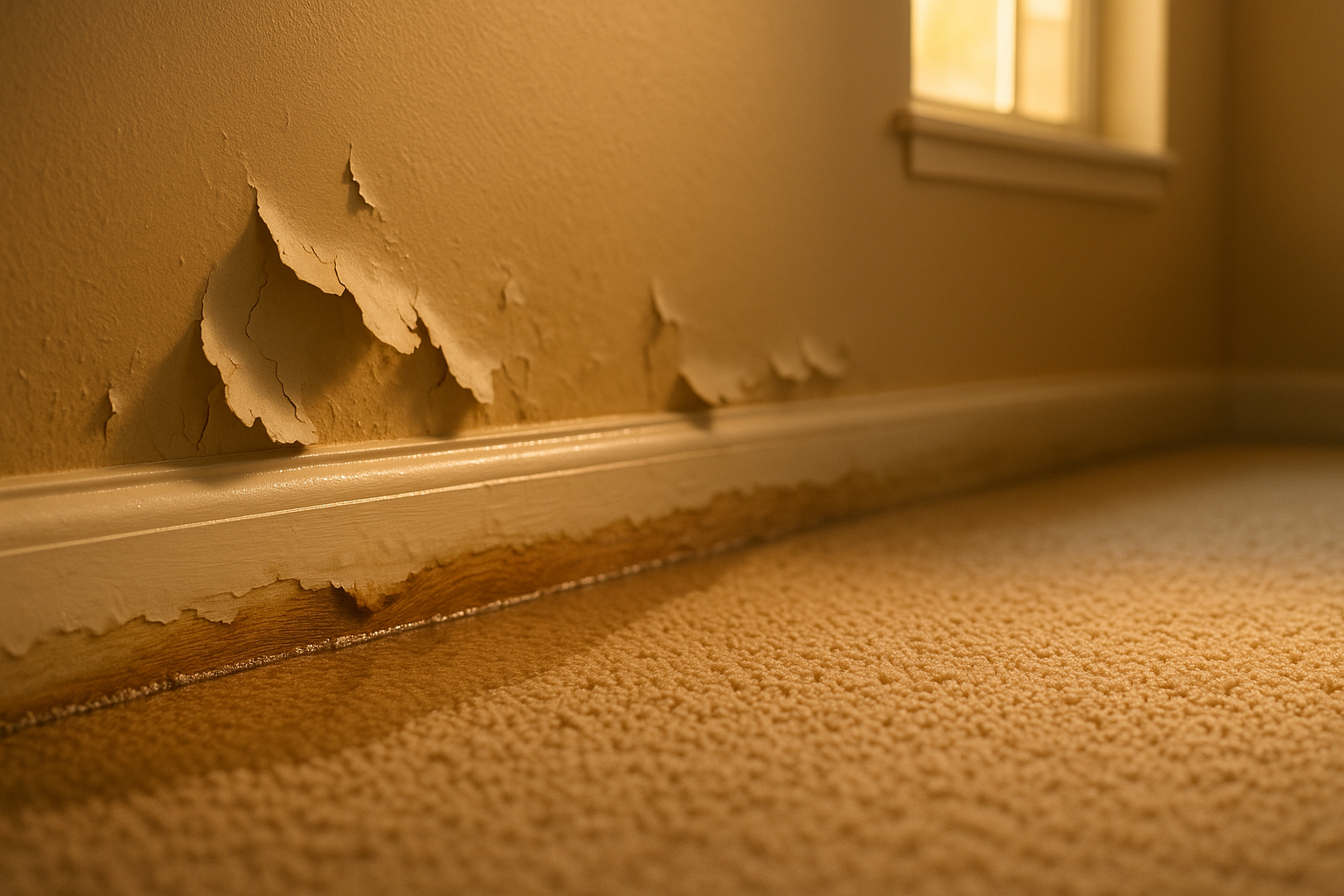
Last spring my neighbor in Broad Ripple had a sump pump go out during one of those classic Indy downpours. By the time he got home, the carpet in his finished basement was soaked and the baseboards had started to swell like a sponge left in the sink. He called me in a panic, asking if he could just paint over the puffy spots and be done with it. The answer? Not if he didn't want mold behind the trim and a musty smell that never goes away. If you're dealing with water damaged baseboards in Indianapolis, Carmel, Fishers, or anywhere in the metro, here's how to know whether to salvage or replace them—and how to do it right.
Stop the Water First, Or You'll Do This Twice
Before you even think about baseboard replacement water damage needs to be solved at the source. That means checking appliances, plumbing joints, foundation seepage, and your sump pump. A lot of Indy basements flood because the pump gave out during a heavy spring storm or the float switch jammed. If you haven't read our walkthrough on what to do first when your basement floods, start there. You can't put new trim over a leak that's still dripping. It'll just soak again.
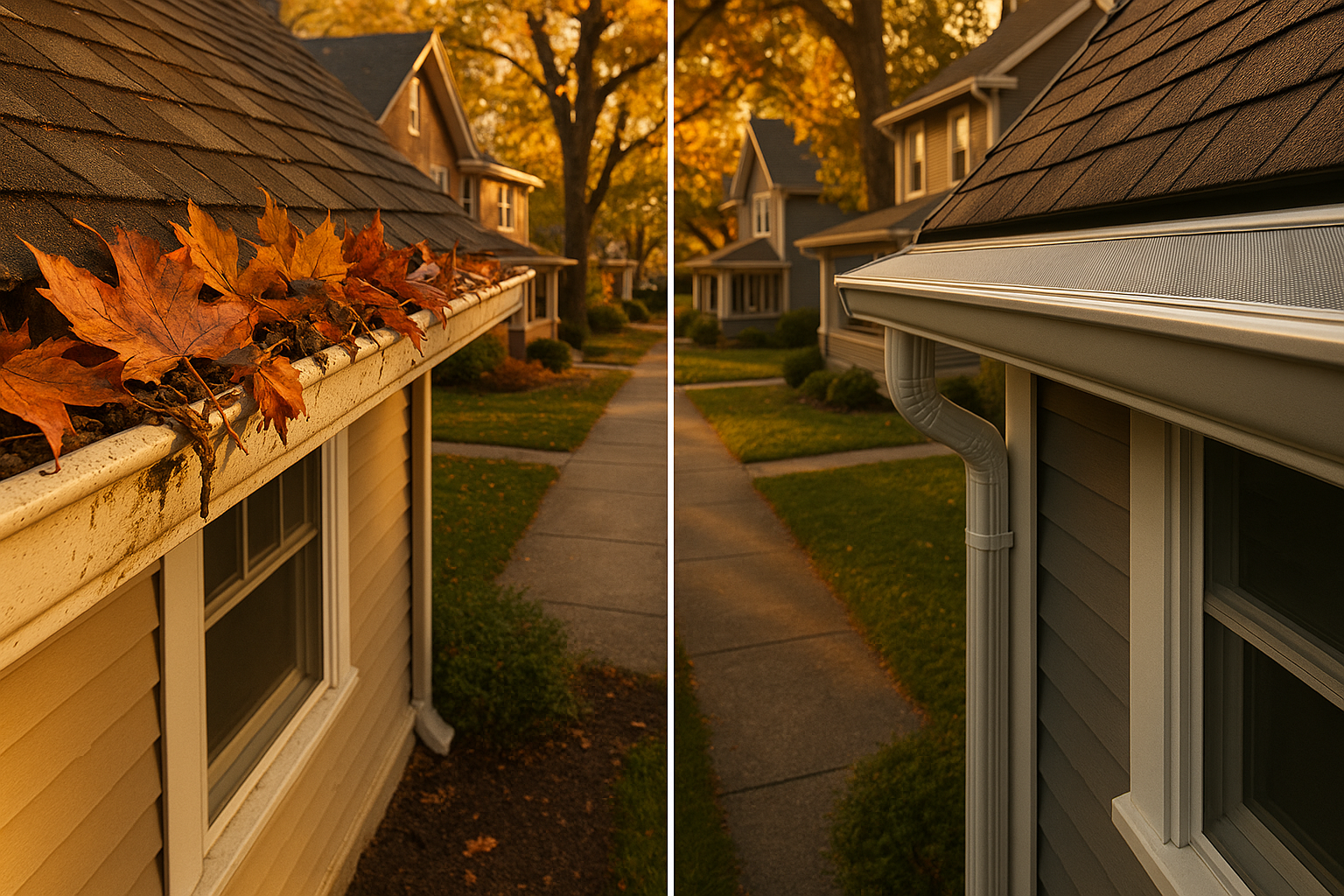
In central Indiana, clay-heavy soil and flat lots around places like Avon and Plainfield push water toward foundations. So make sure downspouts extend 6–10 feet away, and check your yard slope. This isn't optional—it's the difference between fixing trim once and fixing it every year.
Assess the Damage: Salvage or Replace?
Not all water damaged baseboards are equal. If you have solid wood trim (like old-growth pine or oak), light staining can sometimes be sanded out and repainted. But if your baseboards are MDF—the most common material in newer homes—swelling is permanent. Once MDF gets wet, it puffs up like a dry sponge dropped in a bucket. You can't sand it flat, and painting over it just hides the puff for a week before the paint cracks. Same with baseboard rot at the bottom of the wall; if the wood crumbles when you poke it, it's done.
The decision between salvage and replace for baseboard replacement water damage often comes down to the material. Here's the thing many homeowners miss: the baseboard is often just the symptom. Water wicks up into the bottom 2–4 inches of drywall, and that hides behind the trim. Run a moisture meter along the wall behind the baseboard. If the drywall reads above 15% moisture or feels soft, you'll need drywall repair too. That's where a flood cut comes in. Remove the trim, cut out the wet gypsum up to 2–24 inches above the water line, dry the framing, and then rebuild. Trying to skip this step traps moisture and mold spores behind your nice new baseboards. If you want details on the drywall side, check out our post on drywall repair after water damage.
When it comes to material for the replacement, I tell people this: use PVC or primed pine in basements, bathrooms, and laundry rooms. PVC doesn't swell, period. Primed pine is okay if you seal all edges with primer before install. MDF is fine for dry, climate-controlled rooms like living rooms or bedrooms. And for the quarter round or shoe molding along the floor—if it's swollen, replace it. Don't try to reuse it to save money; you'll see the difference.
The Drying Step Nobody Likes
I get it—you want this fixed fast. But reinstalling baseboards on damp walls is like putting a Band-Aid on a wet wound. In central Indiana, summer humidity can hover near 70%, which slows drying way down. After a leak or a shallow basement flood, expect to run dehumidifiers and air movers for 2–5 days before trim goes back on. The framing and drywall need to read under about 15% moisture, matching the unaffected areas of the home. Otherwise, you'll smell that musty odor again in a few weeks.
If the water rose above the baseboard line, a flood cut is smart. I've seen homeowners in Fishers and Zionsville try to just replace trim after a few inches of water, only to have mold bloom behind the wall later. Take the extra step. It's cheaper than remediation.
Matching Trim Profiles and Costs in Indy
Most Indianapolis homes built in the last 30 years use simple 3–5 inch colonial or square baseboards. Older neighborhoods like Meridian-Kessler or Broad Ripple might have taller, more detailed profiles. Matching matters if you're only replacing one room, because an 1/8-inch height difference is noticeable where the new meets the old. Bring a small offcut to the lumberyard or ask your contractor to match the profile and paint color.
What does it cost? For a small area, you might pay a minimum service call of a few hundred dollars. For a whole finished basement or multiple rooms, baseboard replacement water damage projects often run $500–$1,500 depending on material, removal, drywall patching, and painting. If you need a flood cut plus drywall repair and repaint, the total goes up. Always ask for a line-item quote so you know what you're paying for. And if you're handy, a single wall in a dry room might be a DIY weekend job, but if drywall is compromised or you're matching ornate trim, hire someone who does this daily.
Don't Do This Again: Prevention Tips
Indianapolis gets over 40 inches of rain a year, and our flat clay soil doesn't drain well. So do the boring stuff. Clean your gutters every spring and fall. Extend downspouts away from the foundation—6 to 10 feet minimum. Check your yard grading; if soil slopes toward the house, regrade it. I've seen simple regrading in Greenwood stop a basement leak for good. Test your sump pump before storm season, and consider a battery backup. Finally, run a dehumidifier in finished basements during the humid months. For more on moving water away from your foundation, read our guides on gutters and downspouts and yard grading.
If you're staring at swollen baseboards and you're not sure whether it's a quick fix or a bigger problem, let us take a look. At HandyPros, we'll give you a straight answer about what needs to be replaced, what can be dried, and what it'll cost. Request a consult and line-item quote here.
Ready for a free estimate?
Send us the list, and we'll quote a flat price before we schedule — no pressure, no obligation.