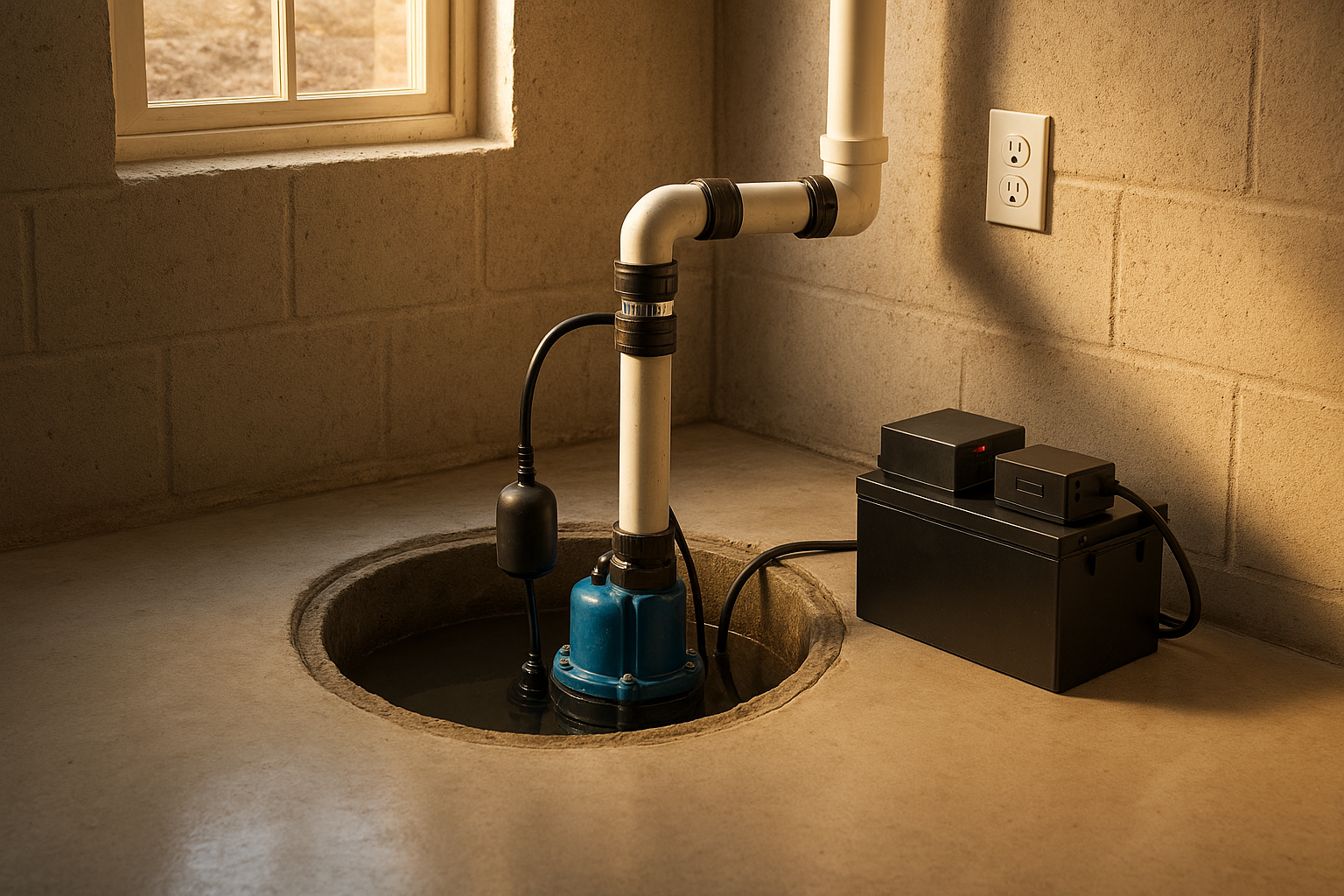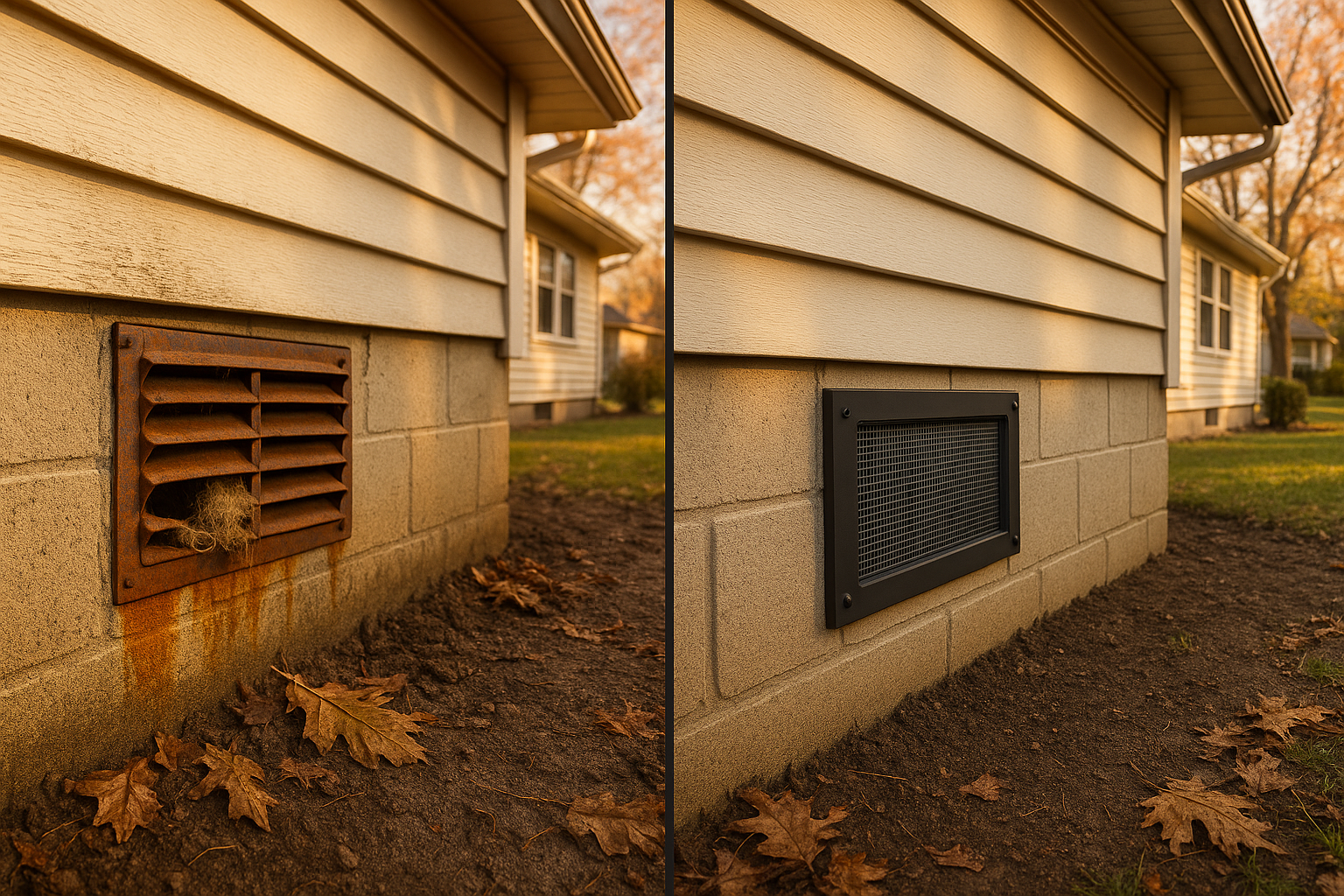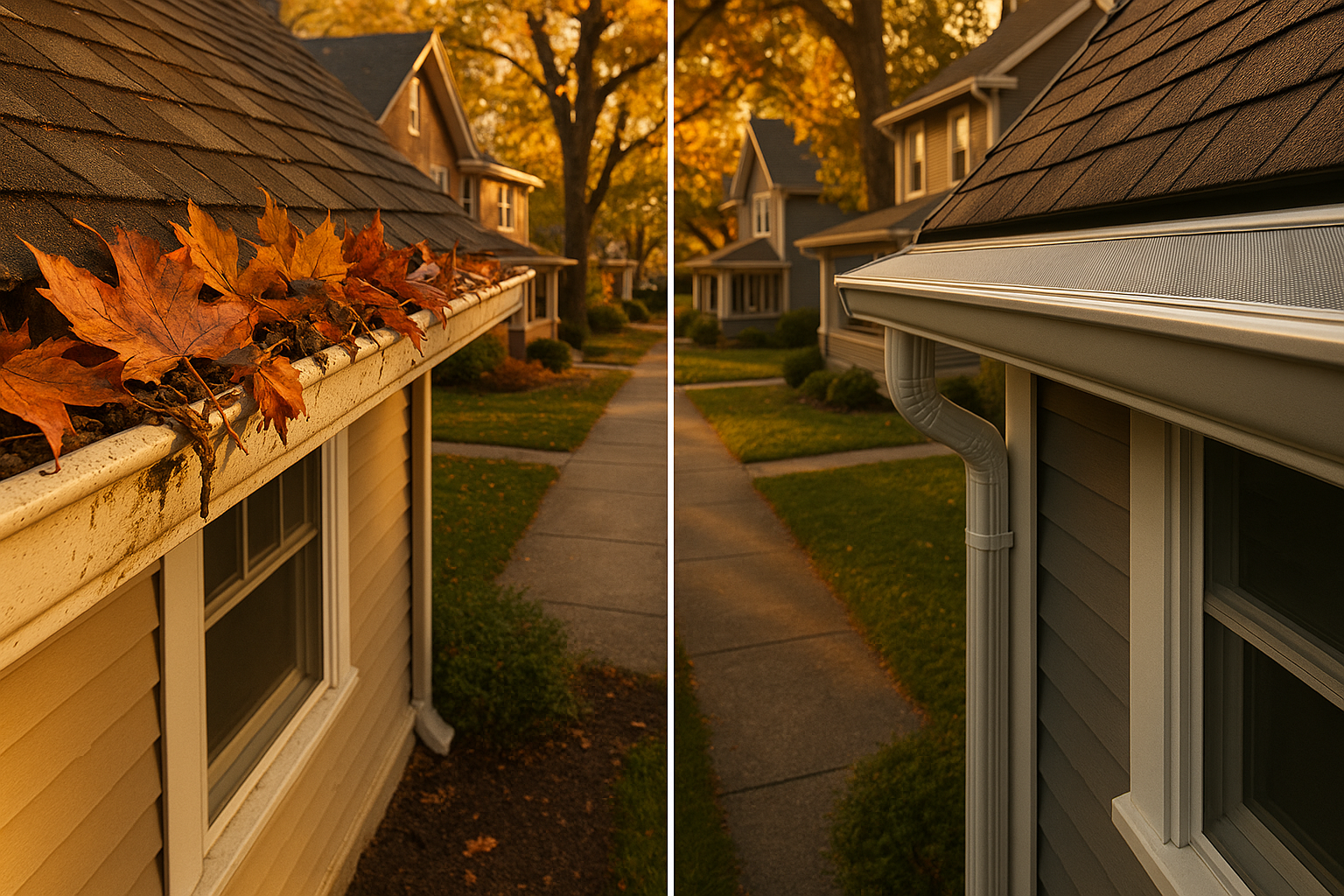
Last spring I got a call from a guy in Broad Ripple. His basement smelled like a wet dog, and the drywall near the back corner was starting to bubble. He thought he needed a whole waterproofing job. Turned out his downspout was dumping water right against the foundation, and the ground sloped back toward the house. The fix cost less than a dinner for two — but only because we caught it before the next big storm. That’s the thing about gutter downspout drainage in Indianapolis: it’s usually the cheapest and most effective way to stop basement flooding, but most folks ignore it until water is already inside. If you're already past that point, check our guide on what to do first when your basement floods.
Why Indianapolis Soil Makes Downspouts a Big Deal
Indianapolis sits on clay-heavy soil that drains slower than a clogged sink. Add in flat lots in places like Fishers, Carmel, and Greenwood, and you get water that just hangs around. When a summer storm dumps an inch in an hour, every downspout on your house is trying to move a small creek away from the foundation. If the downspout ends three inches from the wall, that creek goes straight down next to the concrete, builds up pressure, and sneaks through any tiny crack. I've seen basements in Meridian-Kessler stay dry for twenty years, then start leaking after a neighbor's landscaping changed the surface flow. It's not always your gutter's fault, but your gutter downspout drainage is the easiest thing to control.
Signs Your Downspout Drainage Is Failing
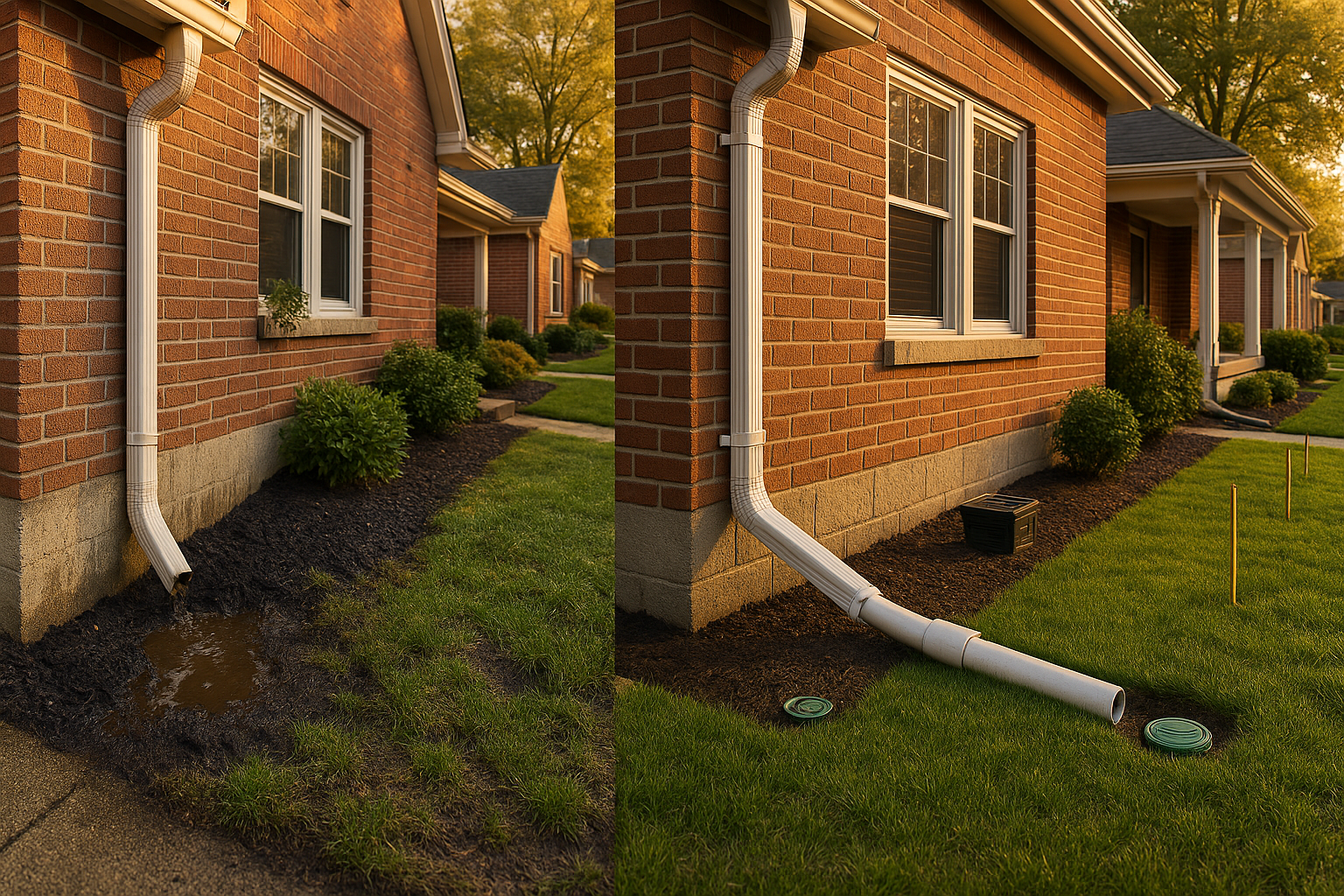
Look for these clues before you find water inside: - Puddles or mulch washouts right at the downspout corner. - Damp basement walls or that musty crawl space smell. - White powdery stuff (efflorescence) on block walls. - Peeling paint or water stains on basement drywall. - Overflowing gutters even when they look clean. - Soggy turf along the foundation long after rain stops. - Icy patches on sidewalks in winter right where the downspout dumps.
If you see the damp walls or stains, don't wait. Water that gets through once will come back. And if it already made it inside, we handle water damage repair too.
Quick Fixes: Splash Blocks and Hinged Extensions
Splash blocks are cheap and better than nothing, but they only work if the ground slopes away. I tell folks in Zionsville and Westfield to use a hinged extension you can flip up for mowing. Leaf strainers keep the downspout from turning into a compost tube. The big question I get: splash block vs extension? A splash block is fine when the downspout already lands on a slope going away. An extension actually moves the water further. If you can see a puddle still forming near the corner, you need the extension.
Buried Downspout Drains: The Clean-Look Option
For a cleaner yard, we bury a solid PVC line that runs from the downspout to a pop-up emitter near the curb or a safe low spot. Schedule 40 or SDR-35 PVC is what I recommend. Corrugated pipe is cheaper, but it kinks, catches leaves, and you can't snake it worth a darn. We slope the pipe 1-2% and put a cleanout at the start so you can flush it if it clogs. Add a catch basin where two roof planes meet or where water pools in the yard. A pop-up emitter opens when water flows and sits flush with the grass the rest of the time. No tripping hazard, no ugly pipe. For buried gutter downspout drainage, PVC is king.
When to Add a French Drain or Dry Well
If your soil drains poorly (everybody in Avon and Plainfield knows that clay), sometimes you need more than just a pipe to daylight. A French drain is a gravel trench with a perforated pipe that collects groundwater and roof runoff. A dry well is basically a buried bucket that lets water soak slowly into the ground. Both need to be sized for your roof area. If you're considering one, check out our breakdown of French drain installation cost in Indianapolis to see what drives the price.
Winter Freeze-Thaw and Safety
Buried lines don't freeze if they're sloped and have no low spots holding water. But pop-up emitters can freeze shut if they're in a spot where water pools and then a cold snap hits. Place them where they won't discharge onto sidewalks or driveways. That's how you get ice patches in January that send somebody to the ER. I've seen downspouts dumping right at the corner of a driveway in Lawrence, and the homeowner spends all winter chipping ice. Keep outlets clear of snow and leaves.
Grading and Neighbor-Friendly Routing
Even the best downspout drainage won't save you if the ground slopes toward the house. The rule of thumb: six inches of drop over the first ten feet away from the foundation. If you're in an older neighborhood like Irvington with mature trees and settled soil, it's worth checking. And please don't aim your downspout at the neighbor's fence or walkway. In suburbs with HOAs, visible extensions in the front yard might not fly, so plan your route to a curb or back yard. HandyPros always maps the grading before digging.
Maintenance That Keeps Things Flowing
Seasonal gutter cleaning is non-negotiable, especially if you have big oaks in Broad Ripple or Wayne Township. I tell folks to check cleanouts and emitters after every heavy storm. If you have buried lines, a quick flush with a garden hose once a year clears out shingle grit. If the line is slow, a plumber or drain company can camera it. But don't wait until your basement smells like a swamp. Here's more on our drain cleaning services if it's already backing up.
Planning a Downspout Drainage Project in Indy
Cost depends on how many downspouts, trench length, pipe type, and whether you're crossing a sidewalk. Tree roots and old utility lines can add time. Always call 811 before digging. Restoration matters too — we put back sod and mulch so it doesn't look like a war zone. Permits aren't usually required for residential downspout drains, but some HOAs want approval for emitters in the front yard. We'll handle that with you.
If you're tired of watching water pool against the foundation every time it rains, give us a call. We'll walk your property, map the roof runoff, and tell you straight what it'll take to fix it. No pressure, just a clear plan. You can schedule an on-site drainage assessment here.
Ready for a free estimate?
Send us the list, and we'll quote a flat price before we schedule — no pressure, no obligation.