It was 3 a.m. on a Wednesday when my buddy Josh called from his house in Fishers. "My basement's got two inches of water and the sump pump's dead." He'd just finished paneling the walls for a home gym. I told him the same thing I tell every homeowner around Indy: don't panic, but act fast. Here's what to do after basement floods in central Indiana. Basement floods happen all over—Carmel, Noblesville, Greenwood, you name it. The clay soil and spring storms don't help. But what you do in the first 48 hours decides whether you're cleaning up a puddle or tearing out drywall and fighting mold.
First: Stay Safe and Stop the Water
Before you wade in, think. If the water's near an outlet or power strip, don't step in. Go to your breaker panel and flip the switch for the basement circuits. If you can't reach the panel without stepping in water, call an electrician. I've heard too many stories of folks getting zapped trying to save a wet couch.
Next, figure out where the water's coming from. Is it rainwater seeping through a window well? A sump pump that quit during the storm? Or worse—a sewage backup? If you smell sewage or see brown water that's not just dirt, treat it like hazardous waste. Wear rubber boots and gloves, and honestly, call a pro for that one. A plumber or a water damage company can handle the contaminated stuff safely.
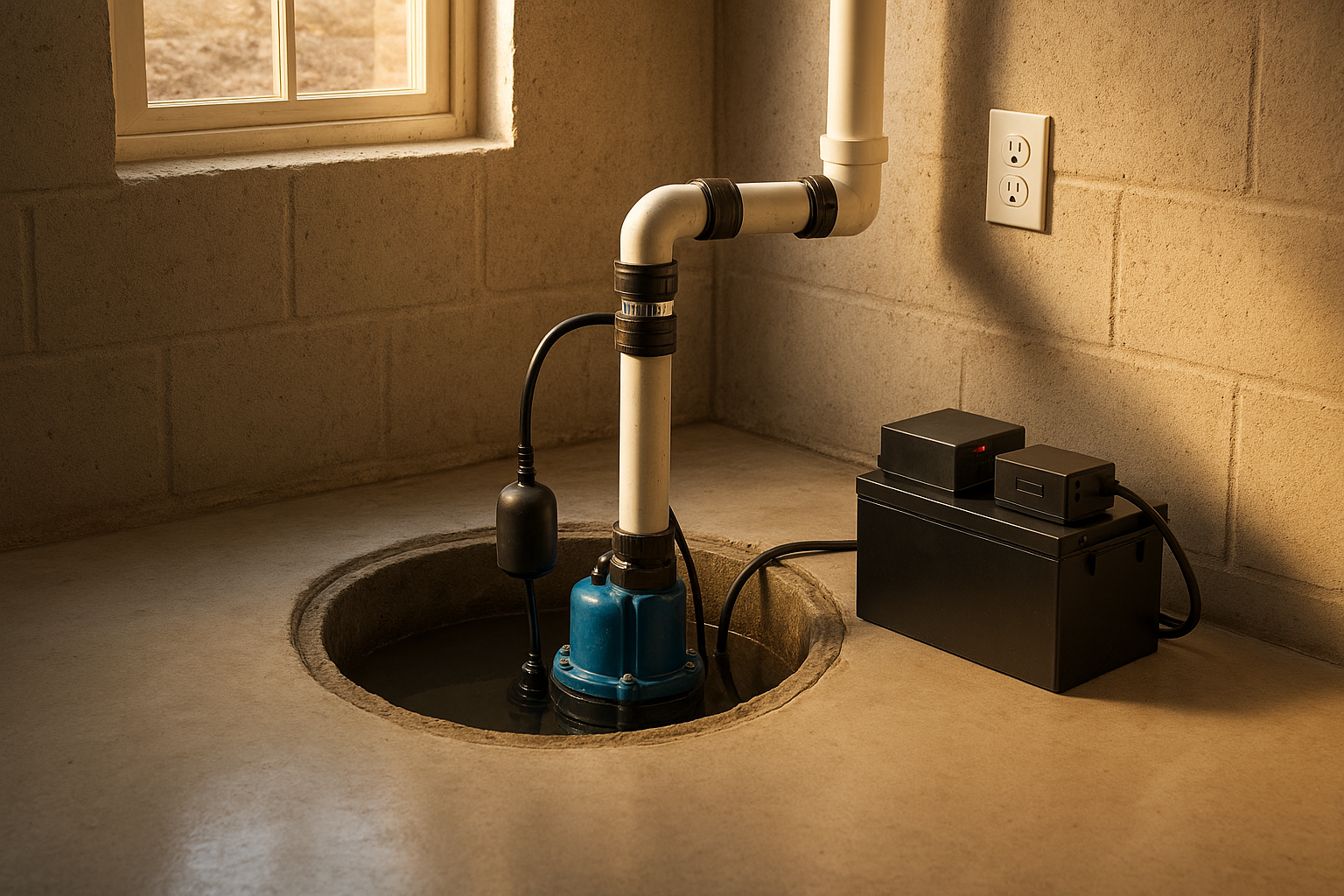
If it's a sump pump failure (super common in Marion County), check the GFCI outlet it's plugged into. Sometimes that little red button just tripped. Press reset. Also make sure the discharge line outside isn't frozen or clogged with leaves. If the pump's dead, get a submersible pump or a wet/dry vac to start removing water. But if the water's from a sewer backup or you're not sure, don't DIY the cleanup—call a licensed pro. We at HandyPros can point you to the right folks.
Document Everything Before You Move a Single Item
Your insurance company will ask for proof. I know, it's the last thing on your mind when your basement's a swimming pool, but trust me. Take wide-angle photos and close-ups of the water line, the damaged items, the wet drywall. Write down how high the water got. Save receipts for anything you buy—pumps, fans, trash bags. If you decide to file a claim, you'll need that paper trail. And don't throw anything away until the adjuster says okay. Even a soaked area rug might be covered.
Get the Water Out: Pumps, Vacuums, and the Right Tools
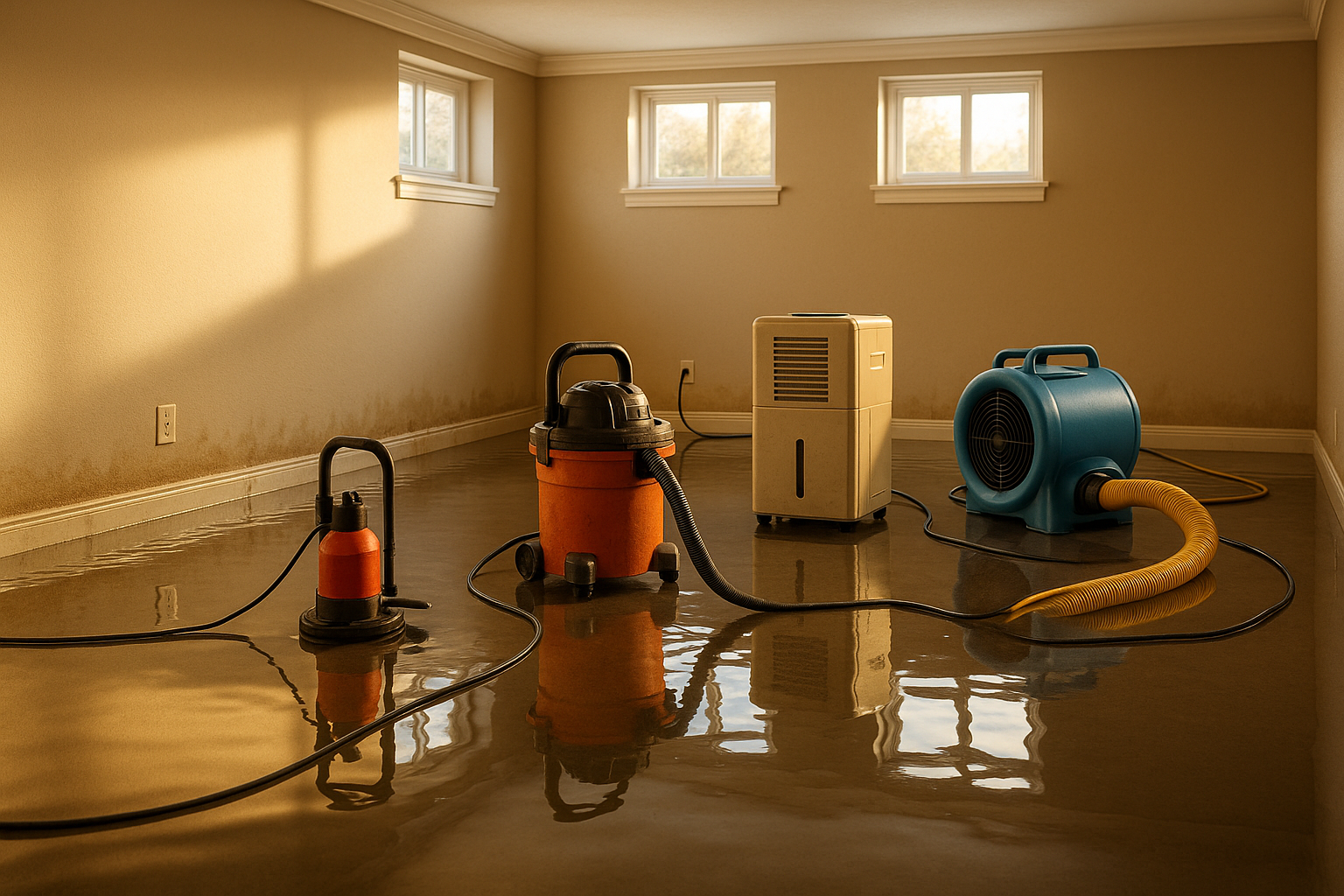
If the water's clean (just rainwater), a submersible pump works great for deeper water. For shallow, a wet/dry vac does the job. I always tell people to rent a bigger pump if the water's over a few inches—those little ones take forever. And don't just open windows and hope for the best. In an Indy summer, the air's already humid. You'll need dehumidifiers and air movers. A basement dehumidifier sized for your square footage is key. Run it until the relative humidity drops below 50%. That could take days, not hours.
Tear-Out Timeline: What to Cut and What to Keep
Here's the hard truth: if water sat for more than 24–48 hours, you're likely pulling out carpet pad, baseboards, and the bottom foot or two of drywall. I've had homeowners argue, "It's just clean rainwater, can't we just dry it?" The problem is, wet drywall wicks water upward. Within two days, mold starts growing behind it. So cut the drywall 12–24 inches above the visible water line. Yank out any wet insulation. If the carpet is soaked, the pad underneath is garbage—carpet might be salvageable if it's not contaminated, but usually pad's done. If you're thinking about replacing flooring anyway, consider vinyl plank or tile instead of carpet. They handle future floods way better. We cover water damage repair in Indianapolis if you need a hand with the demolition.
Dry It Out and Watch for Mold
After you've cut out the wet stuff, set up dehumidifiers and fans. In those humid Indiana months, closed drying with dehumidifiers works better than open windows. Check hidden spots: behind walls, under stairs, inside closets. Use a moisture meter if you have one. If you see mold starting, treat exposed framing with an antimicrobial. Don't use bleach on porous stuff like wood or drywall—it doesn't kill mold roots and can make things worse. Wear an N95 mask when working around mold.
Stop the Next Flood Before It Starts
Once everything's dry and repaired, let's talk prevention. Because I promise you, this will happen again if you don't fix the underlying issue. Around Indianapolis, the most common culprits are:
- Sump pump without a battery backup. Storms knock out power all the time. A battery backup sump pump is a game changer. Worth every penny. I've seen basements stay dry during a blackout because of that little gadget.
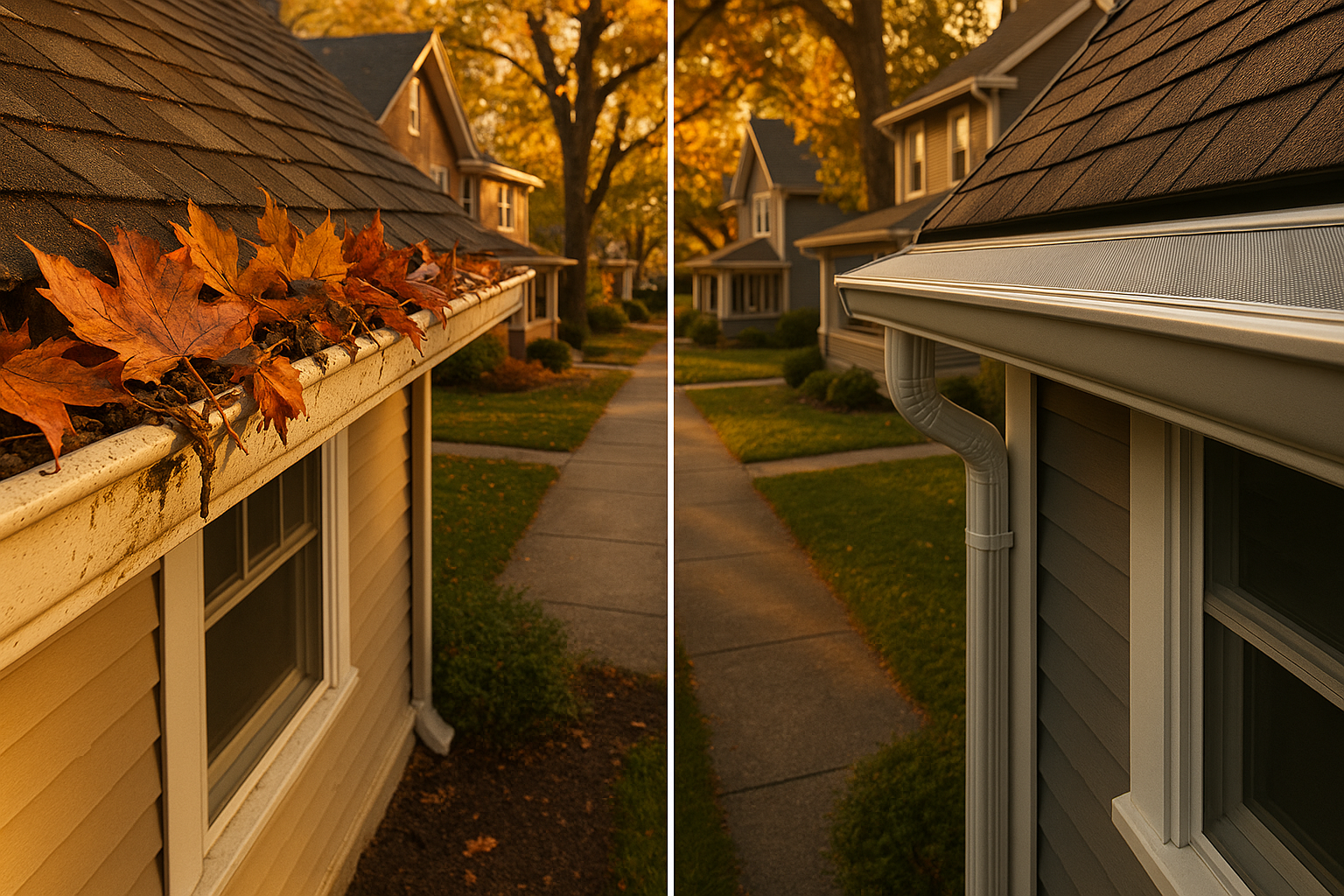
- Downspouts dumping water right at the foundation. Extend them 6–10 feet away from the house. Easy fix, huge impact.
- Grading sloping toward the house. That clay soil we have takes forever to drain. Regrade so water flows away.
- Window wells filling up. Clean those drains and add covers.
- Cracks in the foundation letting in seepage. Freeze-thaw cycles open them up over time. A French drain or interior drain tile might be needed. We do French drain installation in Indy and can tell you if it's worth the cost.
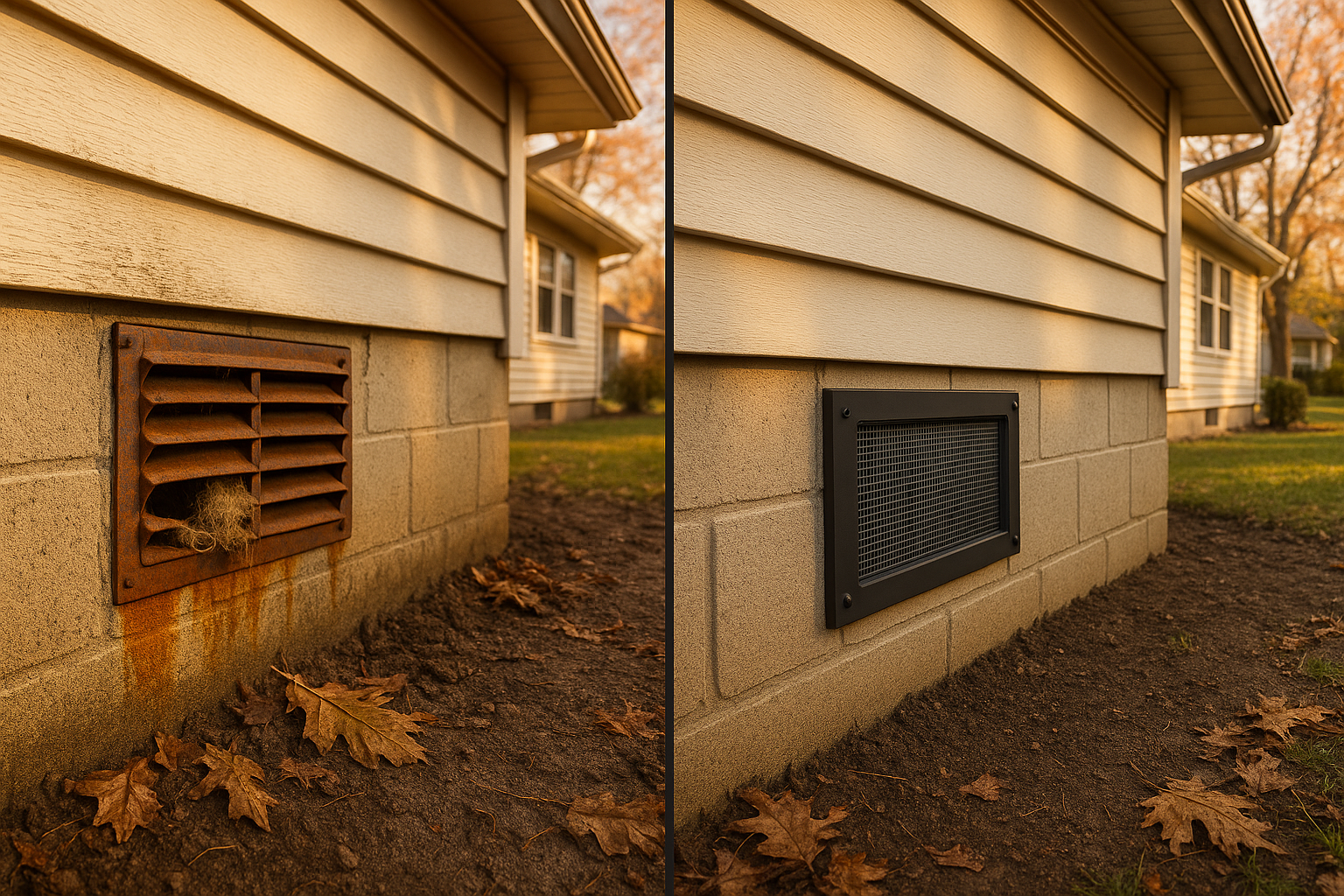
If you have a crawl space, dampness down there can sneak into your basement. Crawl space encapsulation helps a ton. It seals out ground moisture and keeps the whole lower level drier. We've done many of these in Zionsville and Brownsburg.
When to Call HandyPros
Look, I get it. You're tired, stressed, and your basement smells like a wet dog. You can do a lot of this yourself, but after the water's out and you're staring at cut drywall and missing baseboards, it's nice to have a crew who knows what they're doing. HandyPros handles water-damage repairs—drywall, trim, flooring, painting—and we coordinate with plumbers or electricians if needed. We'll give you a clear scope and a fair estimate. No drama, just a dry basement.
If you're in Indianapolis or any of the surrounding areas—Carmel, Fishers, Westfield, Noblesville, Greenwood, Avon, Plainfield, Lawrence, Brownsburg, Zionsville—give us a shout. We'll come out, assess the damage, and put together a plan to dry, repair, and prevent the next flood. Request a quote on our site and we'll get you on the schedule same week most times.
Quick Answers to Common Questions
Do I really need to remove drywall if the basement flooded for just a few hours? If the water was clean and you got it out fast and dried aggressively with dehumidifiers, you might get lucky. But if water touched drywall for more than a day, cut it. Mold doesn't care if the water was clean.
How long does it take to dry a flooded basement? Depends. With professional equipment, 2–5 days. With just fans and open windows, could be weeks—and mold may still win.
Is a flooded basement covered by homeowners insurance? In Indiana, typically only if the cause is sudden and accidental, like a burst pipe. Sewer backup usually needs a separate rider. Rainwater seepage from grading issues? Often not covered. Check your policy.
When is it unsafe to DIY basement flood cleanup? If the water is contaminated with sewage, if there's electrical risk, or if mold is already visible. Don't mess with that stuff.
That's the playbook. Basement flooding stinks (literally), but you can handle it if you act fast, document everything, and don't skip the prevention piece.
Ready for a free estimate?
Send us the list, and we'll quote a flat price before we schedule — no pressure, no obligation.