Two years ago, a friend in Broad Ripple texted me a photo of a burst pipe in her crawlspace. Water was everywhere. The repair cost over $1,200 and she missed a week of work. The kicker? She had meant to winterize but kept putting it off. A simple afternoon with a checklist would have saved her.
If you live in Indianapolis or nearby towns like Carmel, Fishers, or Greenwood, winter doesn't care about your schedule. The first hard freeze usually hits late October or early November, and January can push single digits. Getting ahead of it now is way cheaper than fixing a burst pipe or an ice dam later. This winterize home checklist breaks things down room by room, so you can tackle it a bit at a time—or hand it off to a pro at HandyPros. If you missed the fall cleanup, check the fall home maintenance checklist first.
Start Before Halloween in Central Indiana
You want most outdoor work done before the ground freezes. That means cleaning gutters, shutting off hose bibs, and sealing cracks in October. Once temps drop, sealants and caulks get harder to use, and local crews get booked solid. Indianapolis sits in IECC climate zone 5, which means cold winters and wild freeze-thaw cycles. Water seeps into small gaps, freezes, expands, and makes those gaps bigger. Over a few winters, tiny cracks become actual leaks.
Older neighborhoods like Irvington and Meridian-Kessler have plenty of homes with original windows, uninsulated attics, and crawlspaces. Even newer builds in Westfield and Avon can have drafty garage walls or poorly sealed rim joists. Wind from the northwest can sneak into corner lots and make your furnace work overtime. A simple draft proofing checklist helps you find those spots before they cost you money.
Your Winterize Home Checklist, Room by Room
Roof, Gutters, and Downspouts
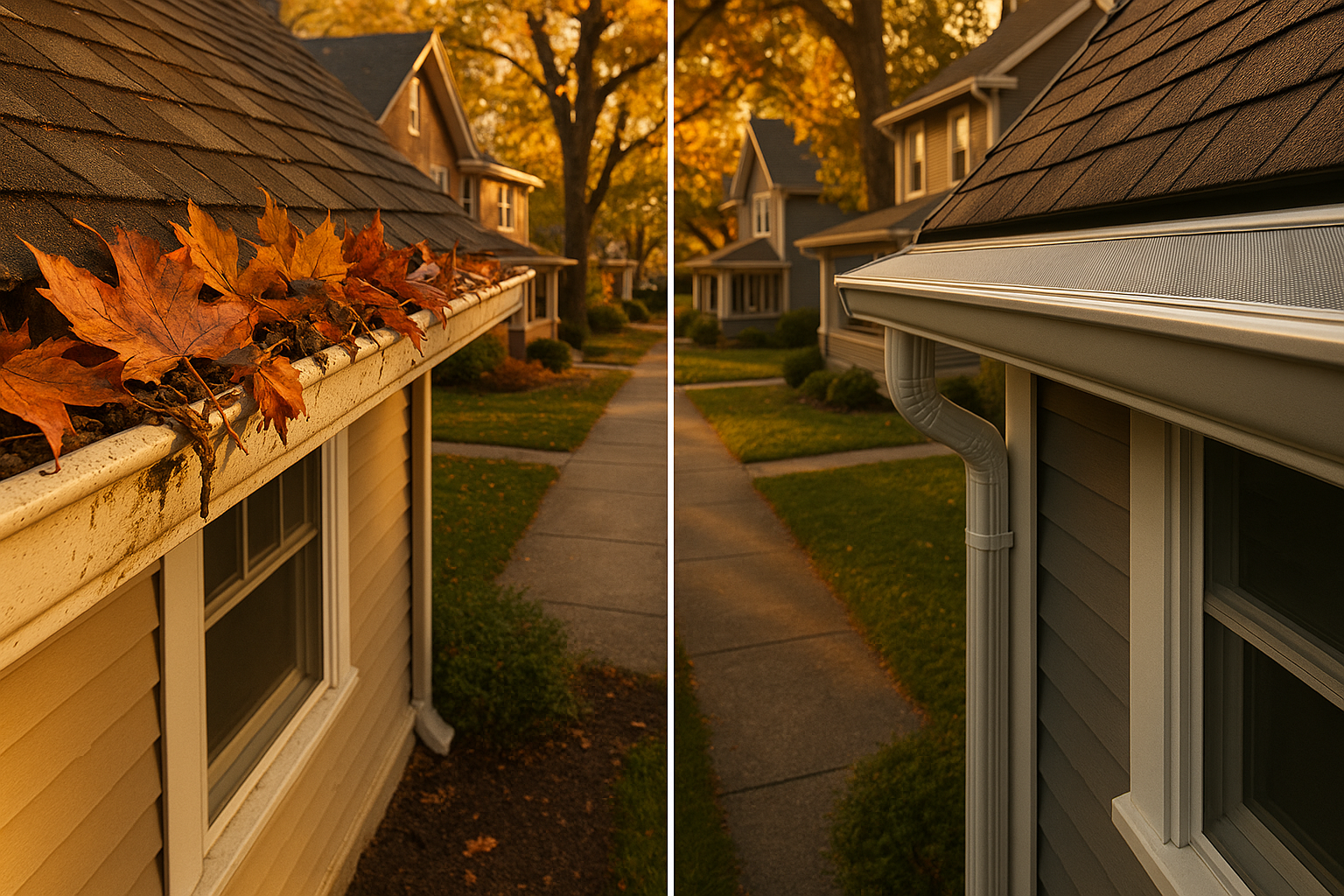
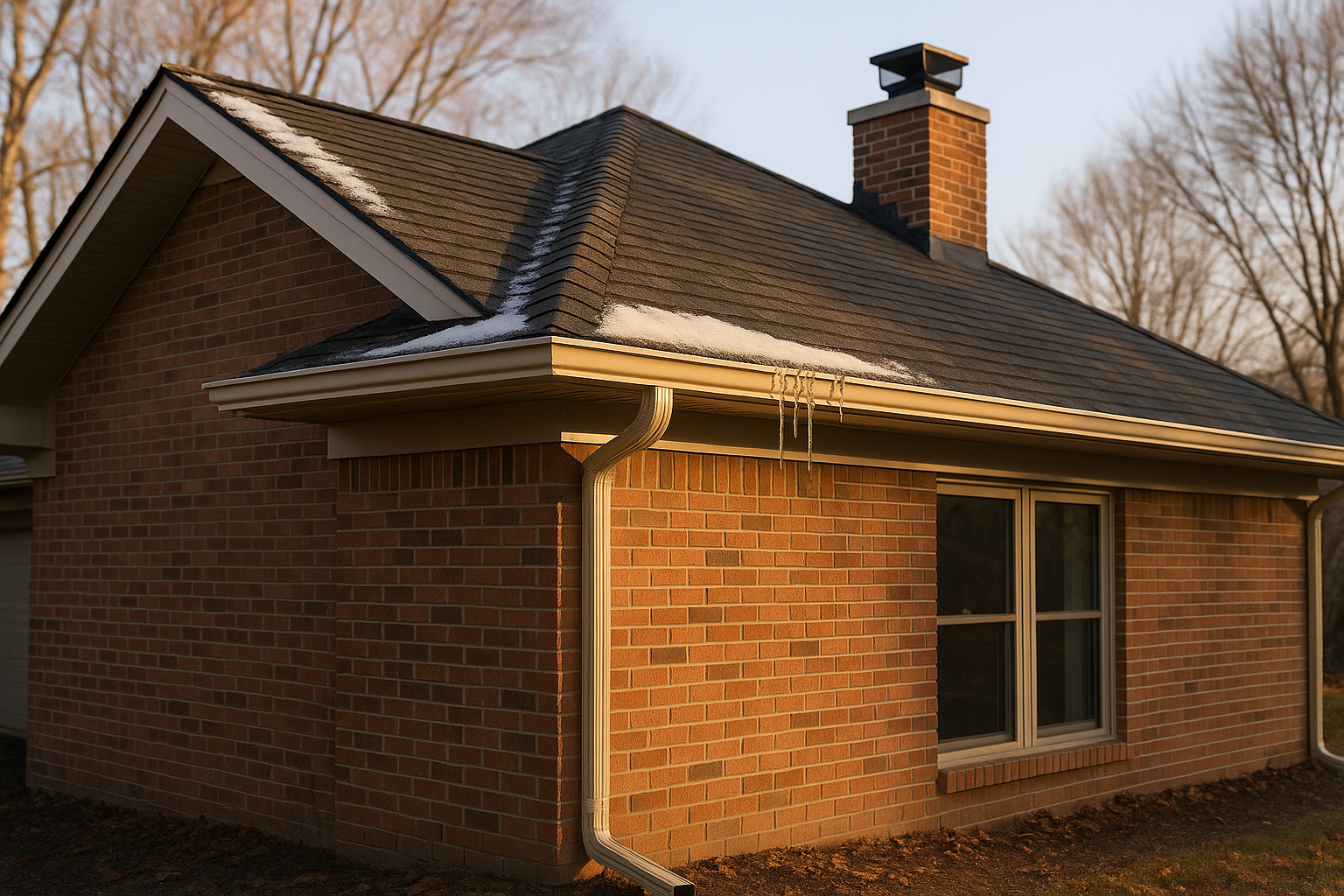
Start at the top. Clean gutters and downspouts, and make sure downspout extensions move water at least 4 to 6 feet away from the foundation. On Indianapolis clay soil, water sitting near the slab causes basement dampness and freeze damage. Check shingles, flashing, and fascia for damage. Ice dams form when warm attic air melts snow on the roof, and the water refreezes at the colder eaves. Keeping gutters clear and attics well insulated cuts that risk. If you're not up for ladder work, HandyPros offers fixed-scope gutter cleaning and inspection—see typical gutter cleaning costs before you climb.
Windows and Doors
Drafts around windows and doors are the number one reason your heating bill jumps in January. Add weatherstripping to exterior doors and a door sweep at the bottom. Caulk gaps around window frames, siding penetrations, and trim. On older Indianapolis homes, you might feel air moving around the sash. Window film or storm windows help a lot, especially on the north and west sides. Don't forget garage doors—a broken bottom seal lets cold air pour in and makes any attached garage feel like a meat locker.
Attic and Insulation
Most Indianapolis homes need attic insulation around R-49 for our climate zone. That's usually 14 to 18 inches of blown-in fiberglass or cellulose, depending on type. If you can see the tops of your ceiling joists, you're low. Air-seal attic hatches and any ceiling penetrations like recessed lights or bathroom fans before adding insulation. Uninsulated rim joists in the basement and crawlspace walls leak heat too. Insulating those spots makes a big difference in how warm your floors feel.
Plumbing and Pipes
Frozen pipes are the most common winter disaster I hear about. Shut off and drain exterior hose bibs, then install insulated faucet covers. Even frost-free bibs can crack if a hose is left attached. Insulate exposed pipes in garages, basements, and crawlspaces. For pipes in very cold spots, heat tape installed correctly can help, but it must be plugged in and not overlapped. If you have a rental or a vacant home, keep the thermostat at 55°F or higher and open cabinet doors under sinks on cold nights.
Heating and Air
Your furnace needs a clean filter and a clear return air path. Schedule a furnace tune-up before you actually need it. Replace the filter monthly during heavy use, or at least check it. Set your programmable or smart thermostat to drop the temp when you're asleep or away. Ceiling fans should run clockwise at low speed in winter to push warm air down from the ceiling. And no, you don't need to cover your outside AC condenser—modern units are built for weather, but clear leaves and debris off the top.
Basement, Crawlspace, and Sump Pump
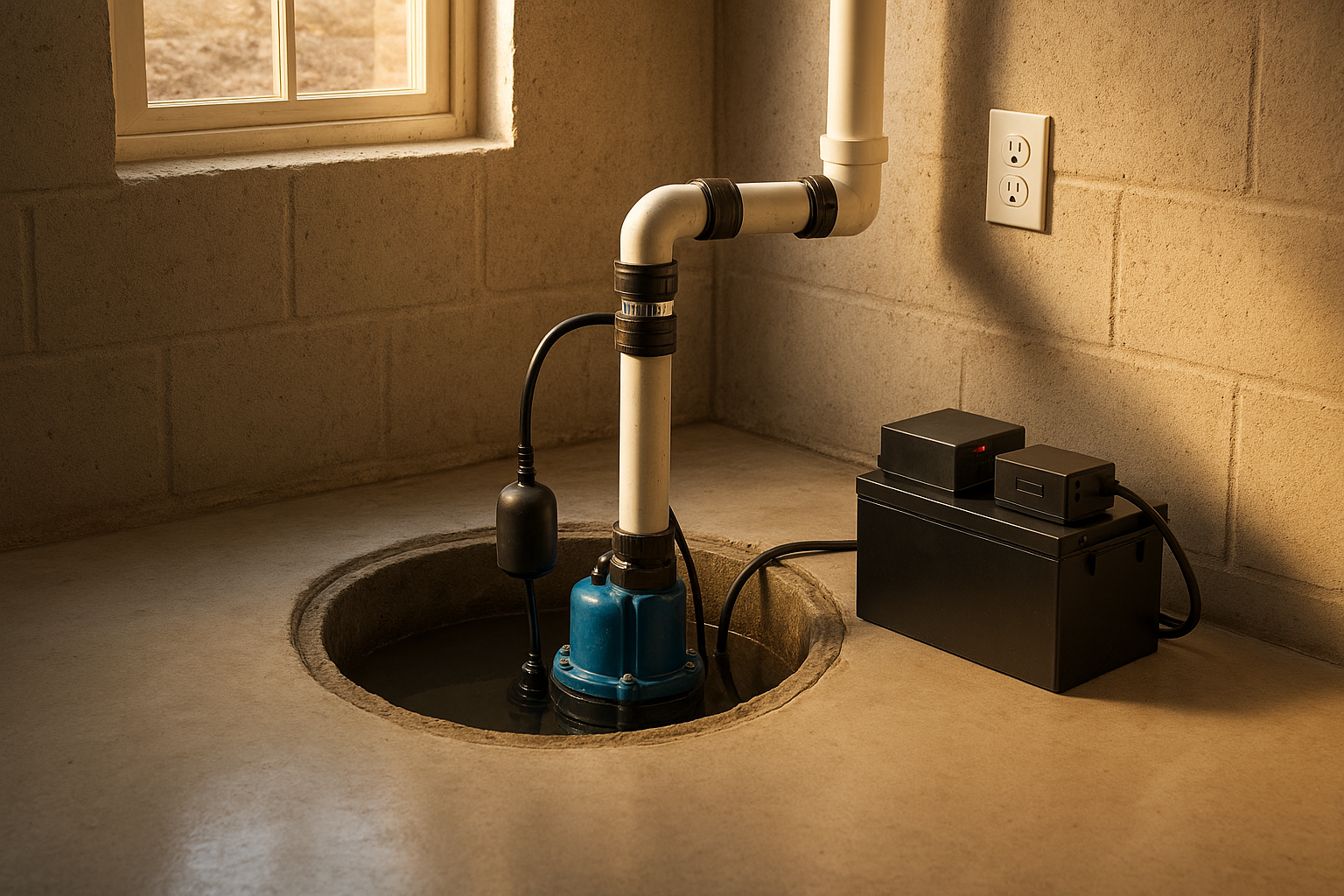
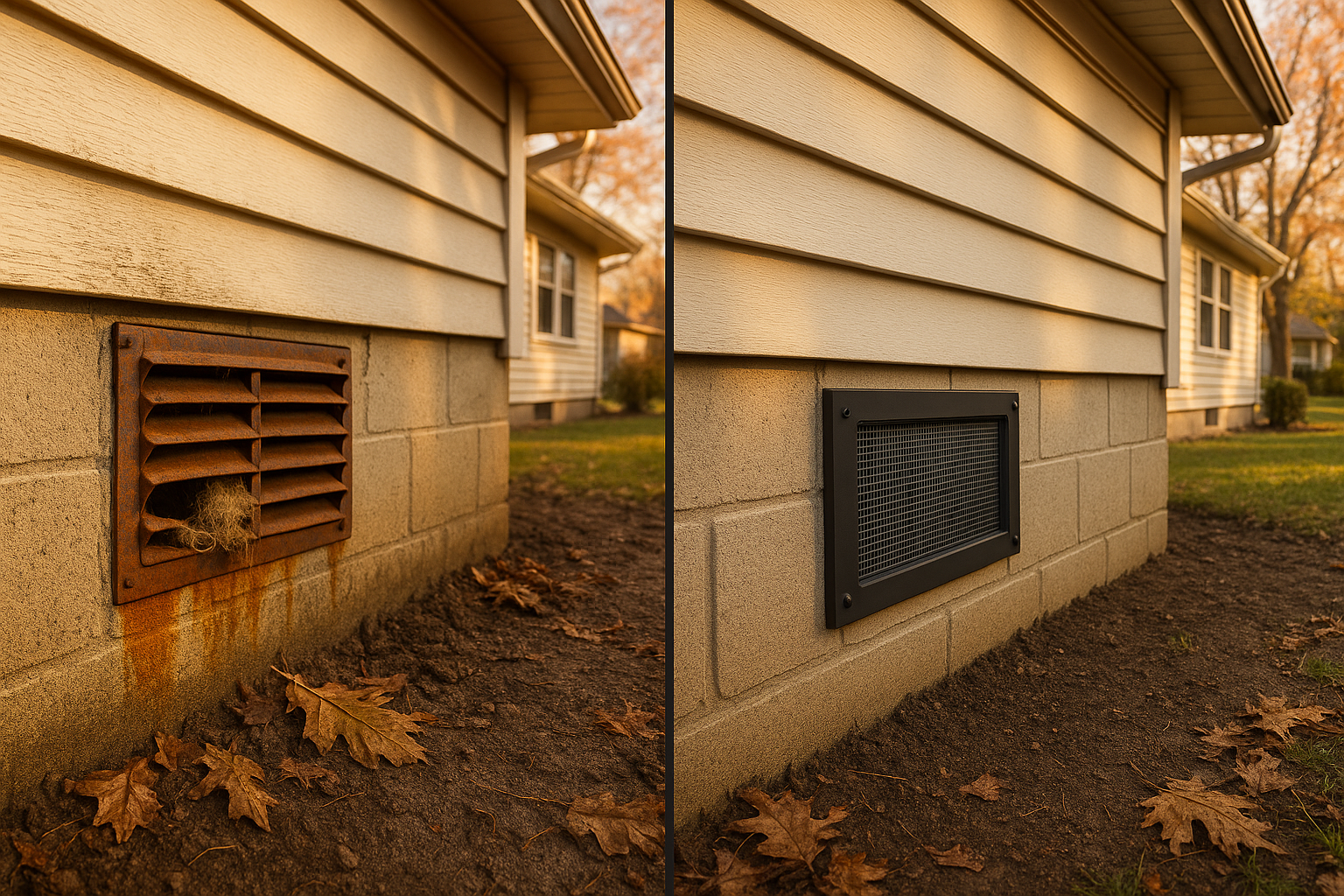
Sump pumps are common all over central Indiana. Test yours by pouring a bucket of water into the pit. Check the discharge line—if it drains somewhere that freezes, you'll get a backup. Route it at least 10 feet from the house and make sure the pipe slopes away. Battery backups are worth every penny for those January ice storms that knock out power. If you have a crawlspace, close foundation vents in late fall and check that the vapor barrier is intact. Seal any gaps where critters might nest.
Garage and Outbuildings
Detached garages and unheated porches in older Indy homes often have exposed plumbing. Insulate those pipes or add a small space heater with a thermostat if you have to. Weather-seal the garage door perimeter and replace a cracked bottom seal. If your garage shares a wall with the house, insulate that wall and weatherstrip the door to the house. It's a quick job that keeps your kitchen floor from feeling like a skating rink.
Energy Savings and Safety Checks
A few cheap items pay for themselves in one winter: door sweeps, outlet and switch gaskets on exterior walls, and thermal curtains. Consider an energy audit if you want to know exactly where your home leaks—many utilities in Indiana offer them for free or cheap. Test your CO and smoke detectors. If you have a fireplace, have the chimney inspected and cleaned. Keep a fire extinguisher in the kitchen and near the furnace. And build a small winter emergency kit: flashlights, batteries, a phone charger, rock salt or concrete-safe ice melt, bottled water, and snacks. If you have a generator, test the transfer switch before the first big storm.
When to Call a Handyman
You can do a lot of this yourself, but some jobs need a ladder, a truck, or a second set of hands. HandyPros offers a winterization walkthrough that checks every item on this winterize home checklist and gives you a written list of what's done and what needs a quote. No vague scopes, no upsells. If you're in Indianapolis, Carmel, Fishers, Zionsville, Westfield, Noblesville, Greenwood, Brownsburg, Avon, Plainfield, or Lawrence, just book a time before the first hard freeze. We'll take a look, tell you what's actually worth fixing, and handle the rest. Get your free quote here.
Ready for a free estimate?
Send us the list, and we'll quote a flat price before we schedule — no pressure, no obligation.