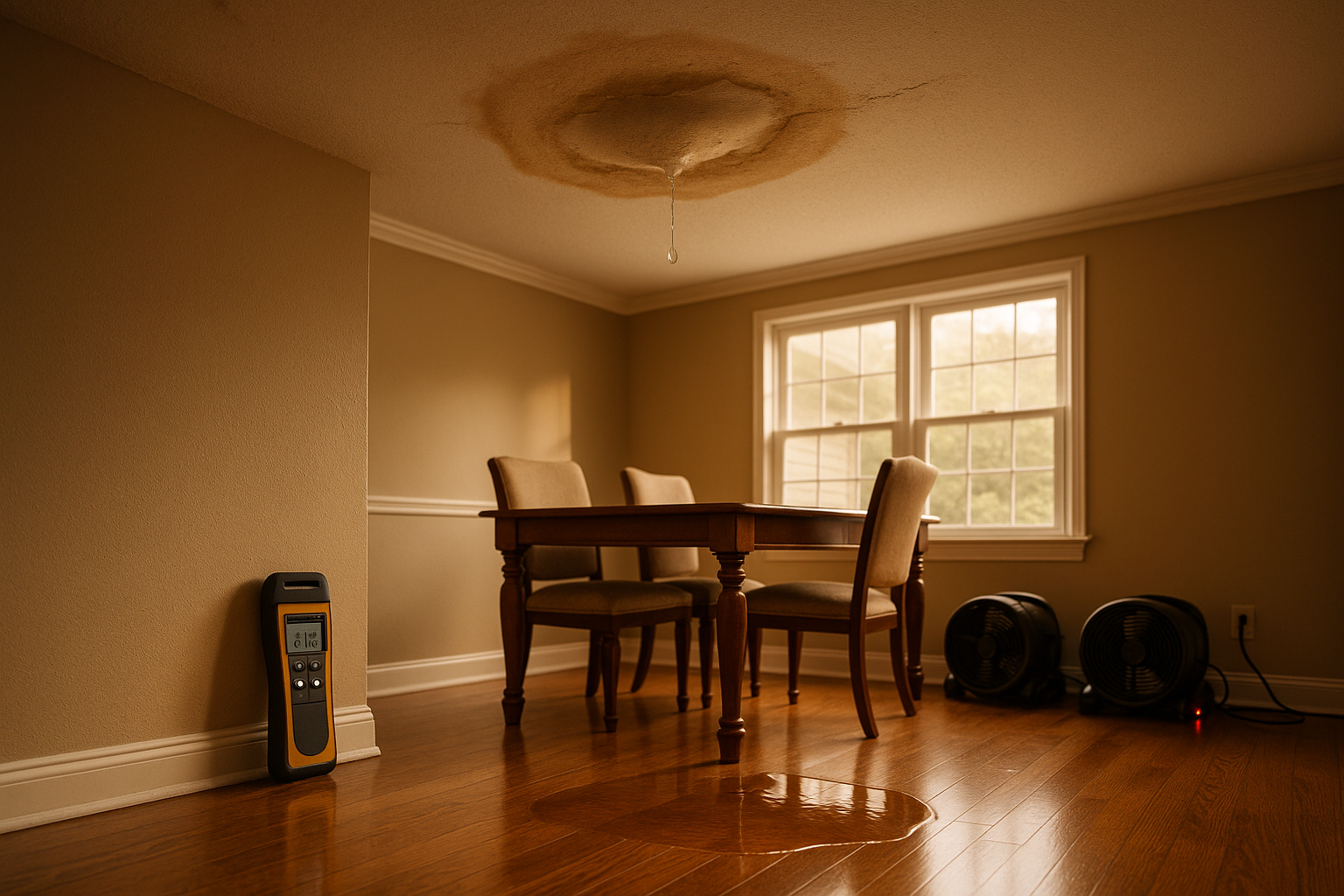
Last winter, a pipe burst in a Fishers home while the owners were out of town for the weekend. They walked in Monday night to a dripping dining room ceiling, a puddle on the hardwood, and drywall that was soft enough to poke a finger through. The first question they asked us was the same one almost every Indianapolis homeowner asks after a leak: “Can you just patch this, or does the whole thing need to come out?” That’s the drywall repair after water damage question in a nutshell. We get it a lot, from Carmel to Greenwood. And the answer depends on a few things: how long the drywall stayed wet, what kind of water it was, and whether there’s mold already growing behind the paint.
First, Stop the Water and Get It Dry
If you just noticed a leak, don’t panic. But do move fast. The longer drywall stays wet, the more likely you’ll have to replace it instead of patch it. Shut off the water source—that could be a valve, a roof tarp, or shutting down a sump pump that’s failed. Move furniture and rugs out of the way. Then take photos for your insurance company before you start ripping anything apart.
Next, dry it out as fast as you can. Set up fans blowing across the wet area. Put a dehumidifier in the room and run it nonstop for a few days. You can use the heat from your furnace to help, but don’t set it above 80 degrees or you might encourage mold. Aim to get the drywall moisture levels down within 24 to 48 hours. How do you know when it’s dry? A moisture meter reading is the only real way. You can buy a cheap pin-style meter for $30, or you can call us and we’ll bring ours. Compare the wet spot to an unaffected area on the same wall. If the readings are close, you might be able to save the drywall. If not, keep drying or plan to cut it out.
For more on what to do right after a flood, check out our guide on what to do first when your basement floods.
Assess the Damage: Patch, Replace, or Wait?
Once things are dry on the surface, it’s time to decide: patch or replace? Drywall is basically gypsum powder sandwiched between layers of paper. Water breaks down the gypsum and loosens the paper. If the drywall still feels firm, the paper isn’t peeling, and there’s no staining that soaks through, a simple drywall patch after a plumbing leak might be enough. That’s common for small leaks like a sink supply line or a pinhole in a pipe that got caught quickly.
But if the drywall swelled up, the seams bulged, the paint bubbled, or the surface crumbles when you touch it, replacement is usually the safer bet. Same goes for any drywall that’s been wet for more than 48 hours. Even if you dry it out, mold can be growing behind the surface. Signs of mold in drywall after a leak include a musty smell, dark spots that keep coming back, or staining that paints over but returns within a few weeks. If you see any of that, don’t cover it up. Cut it out.
And if you’re dealing with a ceiling, be extra careful. A sagging ceiling is a big red flag. Drywall on a ceiling hangs from joists, and when it gets soaked, the weight of the water pulls it down. It can collapse without warning. If your ceiling is bowing or feels soft when you push on it, that’s a ceiling drywall water damage repair job, not a patch job. You’ll need to remove the damaged section and likely replace a larger area to get a flat, solid surface again.
Here’s a rule of thumb we use: if the water line is visible, cut out drywall at least 12 to 24 inches above the highest water mark. That sounds like a lot, but it’s the only way to be sure you’ve removed all the moisture-wicking gypsum. You can check out our water damage repair services in Indianapolis for more detail on what full repairs involve.
When Patching Works (and When It Won’t)
Patching is fine when the damage is small—a dinner plate-sized hole or a crack from settling. You can cut out the bad spot, screw in a new piece, tape, mud, sand, and paint. But patching over water-damaged drywall without removing the wet core is a mistake. The paper will bubble, the mud won’t stick, and you’ll have a cracked patch in a few months. So if there’s any doubt about whether the drywall core got wet, replace it. It’s cheaper than doing the job twice.
What a Sagging Ceiling Really Means
A sagging ceiling isn’t just ugly—it’s dangerous. The drywall can fall on someone or on your furniture. We’ve seen ceilings in Noblesville and Brownsburg that looked flat but were holding a gallon of water inside the cavity. Once we poked a small hole, the water poured out. That’s why we always check with a moisture meter before we assume a ceiling is fine. If it’s sagging, don’t wait. Call a pro to cut it out and sister up any damaged joists.
The Right Materials and Techniques for an Indiana Home
After you’ve cut out the damaged drywall, you want to put back something that won’t get ruined the next time a little water shows up. In basements and bathrooms, use mold-resistant drywall instead of regular drywall. It costs a few dollars more per sheet, but the paper facing is treated to resist mold growth and the core is more water-resistant. In a true wet area like a shower surround, you should go with cement board instead. That’s not drywall at all, but it’s the right material for tile.
When you hang new drywall, use corrosion-resistant screws or nails. Galvanized or coated fasteners won’t rust if there’s residual moisture in the studs. Before you close up the wall, check the framing and insulation with a moisture meter. The wood should be at or below 16% moisture content, and the drywall should read below 12% (or match an unaffected area). Always check drywall moisture levels before closing up the wall. If the insulation is soaked, replace it. And if you see any damp spots around plumbing penetrations, seal them up or call a plumber.
After the wall is closed and mudded, you’ll need to match the texture. Homes in Indianapolis, Carmel, and Fishers often have knock-down or orange peel textures on ceilings and walls. If you don’t match the texture, the repair will stand out like a bad toupee. Pros use a hopper gun for orange peel or a hand trowel for knock-down. It takes practice. Then apply a stain-blocking primer over any water stains that remain before you paint. Otherwise, the stain will bleed through your fresh paint in a few months.
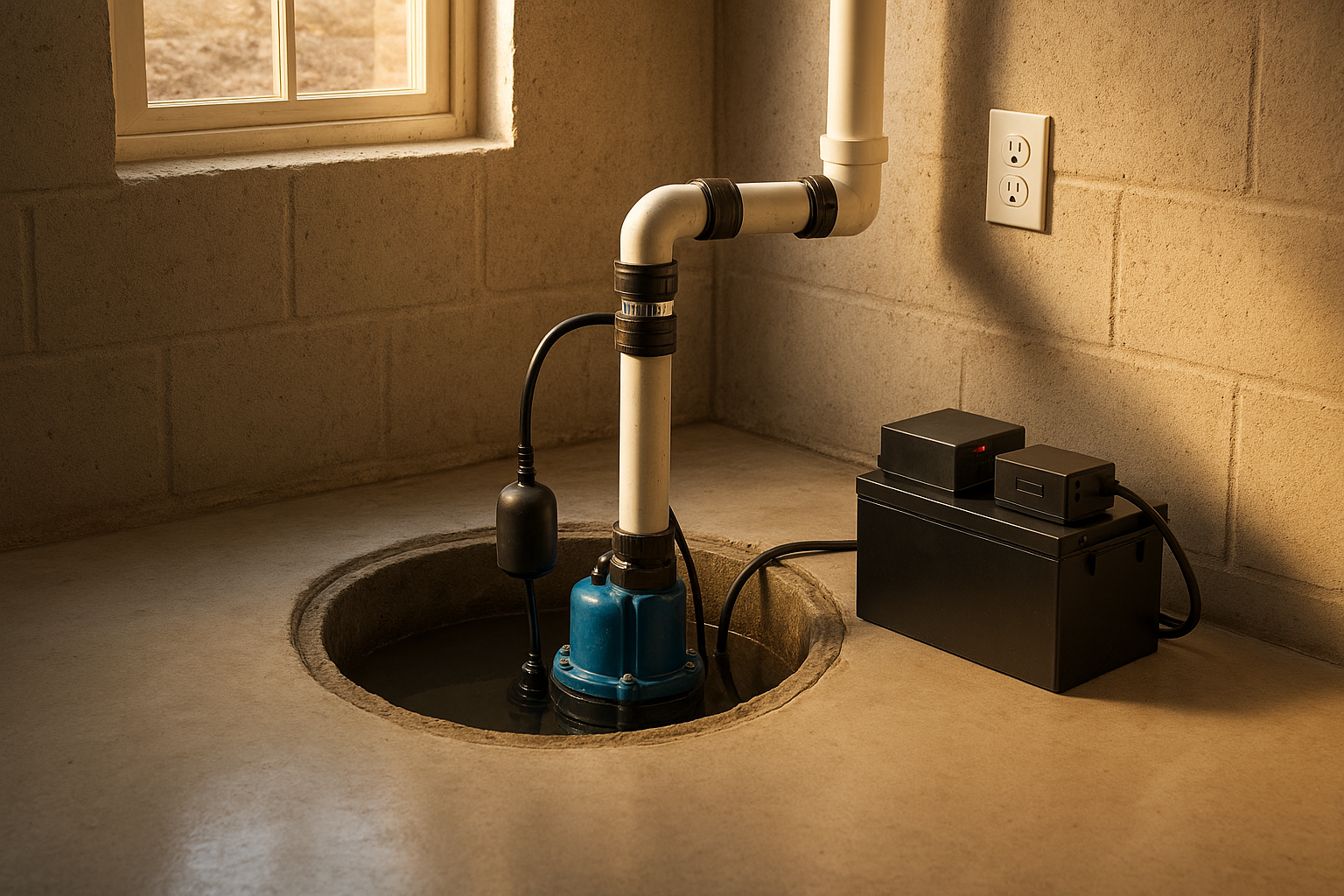
For basements, after you’ve done all this, consider adding a dehumidifier to the room permanently. Indy summers are humid, and a dehumidifier can keep the space dry enough that mold never gets a foothold. A dehumidifier after a water leak is your best friend. We also recommend checking your sump pump before spring storms. A battery backup can save your finished basement walls from a repeat drywall repair after water damage.
Cost, Insurance, and the Local Indy Factor
So what does drywall repair after water damage actually cost in Indianapolis? It depends on the size of the damaged area, whether you need to replace insulation or framing, and how much texture matching is needed. A small patch might run $200 to $500. A larger ceiling replacement in a living room could be $1,500 to $4,000 or more. That’s a big range, but it’s honest. We always give a written estimate with a clear scope before we start.
If the water damage came from a sudden and accidental event—a burst pipe, a roof leak from hail, an overflowing washing machine—your homeowners insurance likely covers the repair. But you’ll need to file a claim promptly, and keep receipts for any emergency work you do. Take photos of the damage before you start drying, and keep a log of moisture meter readings if you have them. Your adjuster might want to see that.
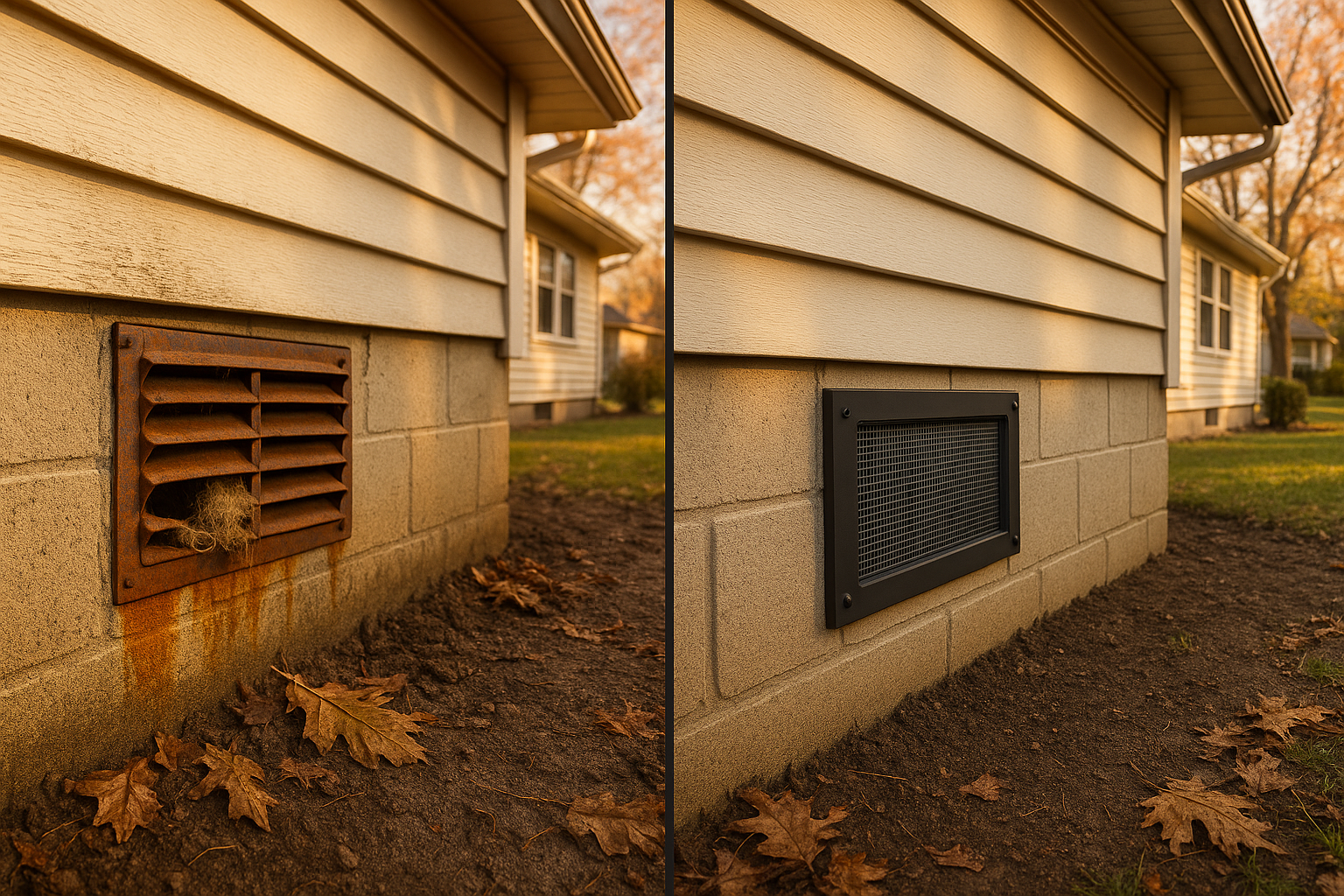
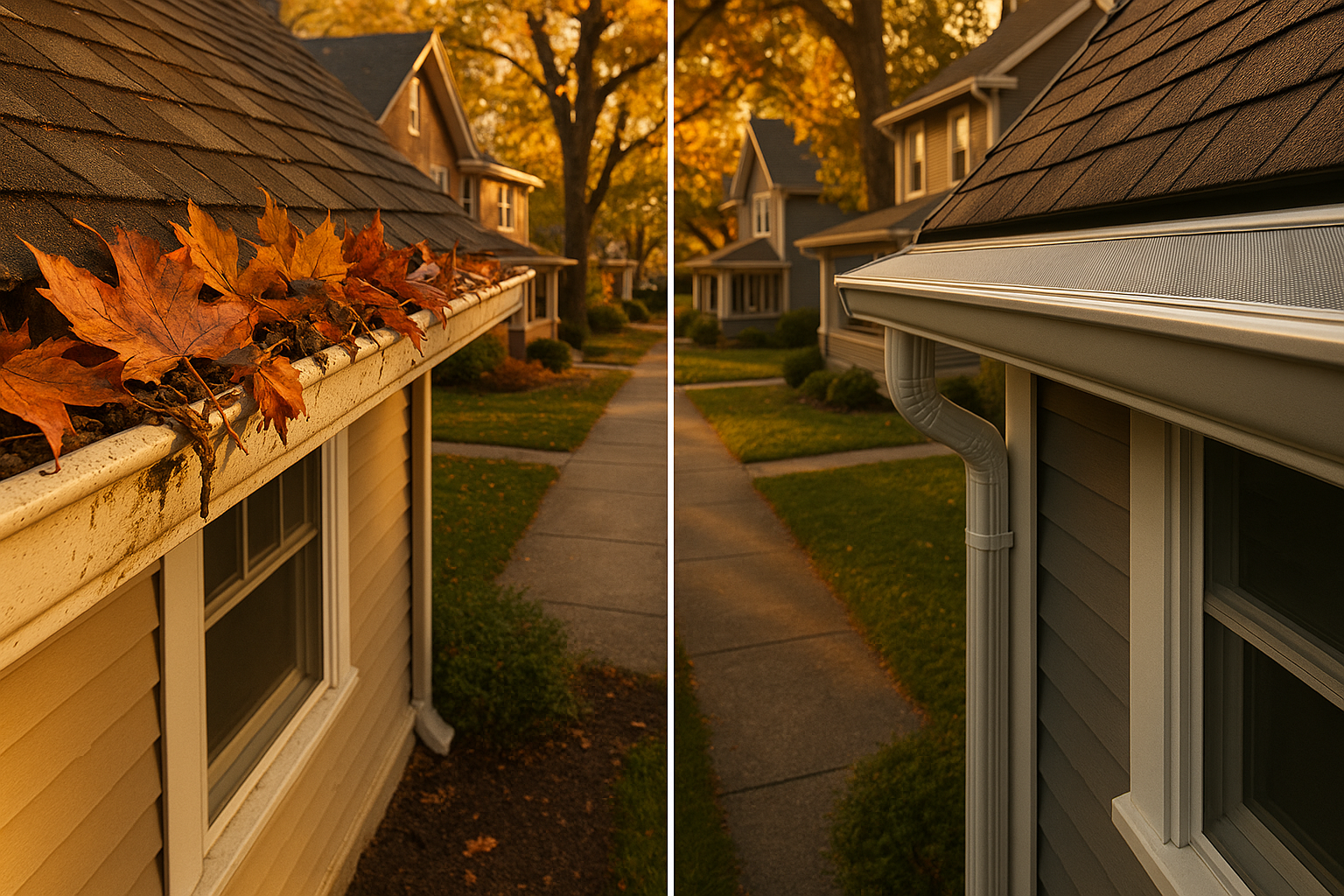
In Indianapolis, we have a few local hazards that make water damage more common than you’d think. Freeze-thaw cycles in winter cause pipes to burst in exterior walls. Heavy spring rains can overwhelm sump pumps, and basements in Zionsville, Westfield, and Avon often sit on high water tables. If your basement floods every few years, fixing the drywall isn’t enough. You might need to improve your drainage—a French drain or better gutter downspouts can redirect water away from the foundation. Check out our French drain installation cost guide if that’s on your mind. And if you have a crawl space, encapsulating it can also reduce moisture in your home.
At HandyPros, we’ve been fixing water-damaged drywall all over the Indianapolis area—from Lawrence to Plainfield to Brownsburg. We know what works and what doesn’t. If you’re looking at a water stain on your ceiling or a soft spot in your wall and you’re not sure if it’s a patch job or a tear-out, give us a call or request a quick quote. We’ll come out, take moisture readings, tell you straight what you’re dealing with, and give you a fixed price before any work starts. No guesswork, no surprises.
Ready for a free estimate?
Send us the list, and we'll quote a flat price before we schedule — no pressure, no obligation.