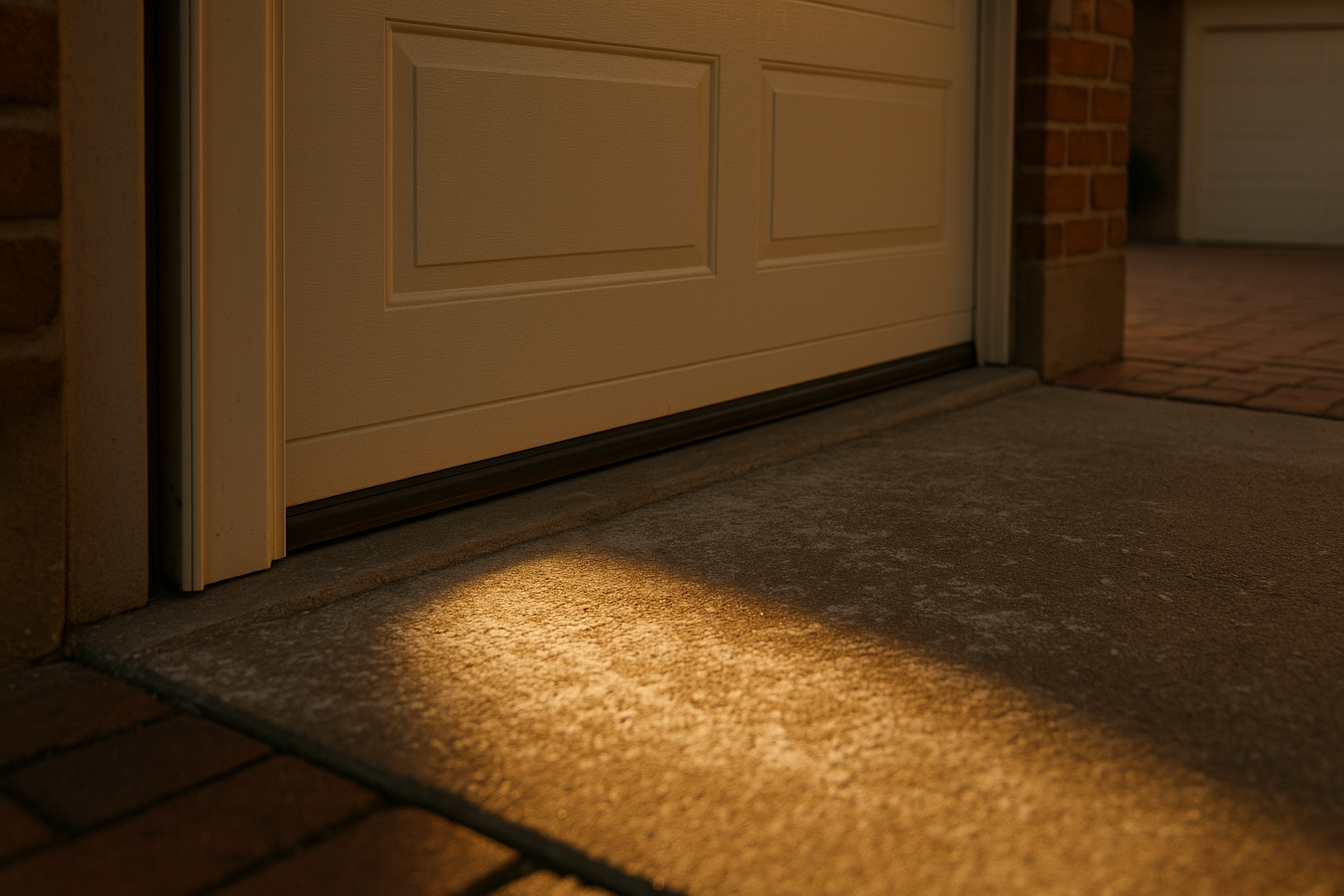
Last February, I got a text from a buddy in Broad Ripple. "My garage floor is wet every morning. It hasn't rained in three days." He sent a photo: morning light streaming under the garage door like a sunrise. The weather seal was flattened, cracked, and about as flexible as a stale pretzel. That little strip of rubber does a lot of work, and when it fails, you notice—drafts, dust, soggy boxes, and sometimes mice.
What a Garage Door Weather Seal Actually Does
Think of it like the gasket on your car door. The bottom seal (also called a garage door bottom seal) presses against the concrete to close the gap. The side and top seals—often called weather stripping—fill the gaps around the frame. Together, they keep out wind, rain splash, road slush, bugs, and even daylight. In Indianapolis, that matters. We get freeze-thaw cycles that heave slabs, gusty storms, and winter road salt that eats through cheap seals. A good seal also keeps leaves out of your garage, which is a big deal if you live under mature trees like the ones in Meridian-Kessler or SoBro.
Signs You Need a New Seal
Look for daylight under the door. If you can see light, you have a gap. Water tracks inside after a rain? Musty smell near the door? Those are red flags. A bottom seal that's hard, flattened, or cracked has lost its spring. You might also notice pests—mice squeeze through tiny openings, and ants love moist corners. We've pulled old seals from Fountain Square carriage garages that were so brittle they snapped in two. If your seal is older than three or four years, it's worth a close look before winter.
Picking the Right Seal for Indy Weather
Not all rubber is the same. Basic vinyl seals get stiff in cold weather and crack under UV. That's a problem for south- and west-facing doors around Marion County. EPDM rubber stays flexible down to minus 40 and shrugs off sun better. It costs a little more, but it lasts twice as long. For bottom seals, you need to match the profile to your retainer track. Most residential doors use a T-style or P-bulb insert. If you have an older wood door in Irvington, it might have a different shape. Don't guess—pull a small piece of the old seal and bring it with you, or take a photo. The wrong profile will either fall out or bind. And if you have an insulated garage door, a thicker bulb may be needed to fill a larger gap.
The Uneven Floor Problem
Many Indy garages have wavy concrete. The slab settles, corners dip, and a straight bottom seal leaves gaps. One fix is a low-profile floor threshold—a rubber ramp you glue to the concrete at the door line. It creates a raised lip that the door seals against. I've seen it work wonders in 1960s-era homes in Speedway where the slab heaved half an inch. You can also adjust the door's travel limits so it closes a bit lower on one side, but that only goes so far. For persistent corner gaps, a threshold is your best friend. Just make sure it's installed right so you don't trip or trap water inside.
Side and Top Seals Matter Too
A lot of drafts come from the perimeter. The stop molding—that wood or vinyl strip around the door—has a flexible fin that presses against the door face. Over time, that fin shrinks, cracks, or gets chewed up by weed trimmers. Replacing the stop molding and setting the reveal (the gap between door and frame) correctly can stop whistling on windy days. We get calls from Zionsville and Westfield where the west wind pushes rain right through old side seals. It's often a bigger fix than the bottom seal, because you have to remove and reattach molding. But it's worth it.
DIY or Hiring a Pro?
You can buy a universal seal at the hardware store and try it yourself. I've done it. But here's the thing: universal seals rarely fit perfectly. They might be too thick, causing the door to reverse or strain the opener. Or too thin, leaving gaps. Then you've spent an hour on your knees for nothing. A pro can match the exact profile, cut it clean, and check your safety sensors. We've fixed plenty of DIY jobs where the seal popped out after a week. If your floor is uneven, a pro can also bed a threshold properly with adhesive that won't fail in freezing temps. (Been there, done that.)
Keeping It Working
A new garage door weather seal should last 3–5 years in central Indiana, maybe longer if you clean off salt and grit every spring. We recommend an annual check—just look for light and feel for cracks. If you have a detached garage that shares a wall with your house, a tight seal also cuts down on cold air creeping into your kitchen. It's not a huge energy savings, but every little bit helps. And for homes with attached garages, it keeps fumes out of the living space.
Get It Done Before the Next Cold Snap
So, before the snow flies, take a look at your garage door. If you see daylight, feel a draft, or find a mouse nest in your tool bag, it's time. HandyPros will come out, measure your retainer, check your slab, and give you a straight answer—no upsell, no pressure. We'll tell you if you need a simple insert, new stop molding, or a threshold. Use the form at [/#quote] to book a quick seal check. While we're there, we can also check your exterior caulking and window insulation film—both help with drafts too. And if your porch steps are looking rough, we can fix those before winter. A little prevention now saves a soggy mess later.
Ready for a free estimate?
Send us the list, and we'll quote a flat price before we schedule — no pressure, no obligation.