I’ll start with a story. A landlord in Broad Ripple called me in a panic last fall. His tenant reported a leak under the kitchen sink, and by the time we got there, the cabinet floor was soft and the drywall behind the dishwasher had started to swell. That $900 surprise turned into three visits: the leak, the moldy drywall, then a new cabinet shelf. If he’d set aside a little each month for stuff like this, it wouldn’t have hurt so bad. And that’s the whole point of a rental maintenance budget.
I’m not going to bore you with percentages that don’t match Indy’s old houses and freeze-thaw weather. Let’s talk numbers that actually work for landlords with 1 to 50 doors.
So, What’s a Realistic Rental Maintenance Budget?
The most common question I get is, “How much should I set aside per door?” The honest answer: it depends. But you need a starting point. Three rules of thumb: 5-10% of gross rent, $1-2 per square foot per year, or 1% of property value. For a $1,200-a-month bungalow in Fountain Square, 5-10% means $60-120 a month. That’s $720-1,440 a year. If you’re handy and the place is newer, maybe you skate by with the low end. If it’s a 1920s wood frame with original windows and galvanized pipes, plan on the high end—or more.
Those percentages ignore age, condition, and tenant class. A Section 8 unit in Lawrence with kids and a dog will see more wear than a studio in Zionsville leased to a single engineer. Start at 5% of gross rent for a well-maintained property, then add 1-2% for every major system past its halfway life (furnace over 12 years, water heater over 8, roof over 15). That gets you closer to reality.
But maintenance is not the same as saving for big replacements. A rental maintenance budget covers repairs and keep-up stuff—leaky faucets, sticky doors, a dead outlet. A new roof or HVAC system is capital expenditure (CapEx), and you set that aside separately, usually as a percentage of replacement cost spread over its expected life.
Line Items Every Indianapolis Landlord Should Plan For
Don’t just put a lump sum in a savings account. Break it down by category. Here’s what I see again and again in Indy:
- HVAC: $80-120 tune-up per year, but a dead compressor is $1,500. Budget $10-15/month.
- Plumbing: Leaky faucet or running toilet $150-300. Freeze-thaw burst pipes? Triple that. $20-30/month.
- Electrical: Loose outlets, dead switches, $50-150 each. $5-10/month.
- Carpentry/doors: Rehang or repair, $75-200. $5/month.
- Paint/caulk: Touch-ups and exterior caulking. $10/month.
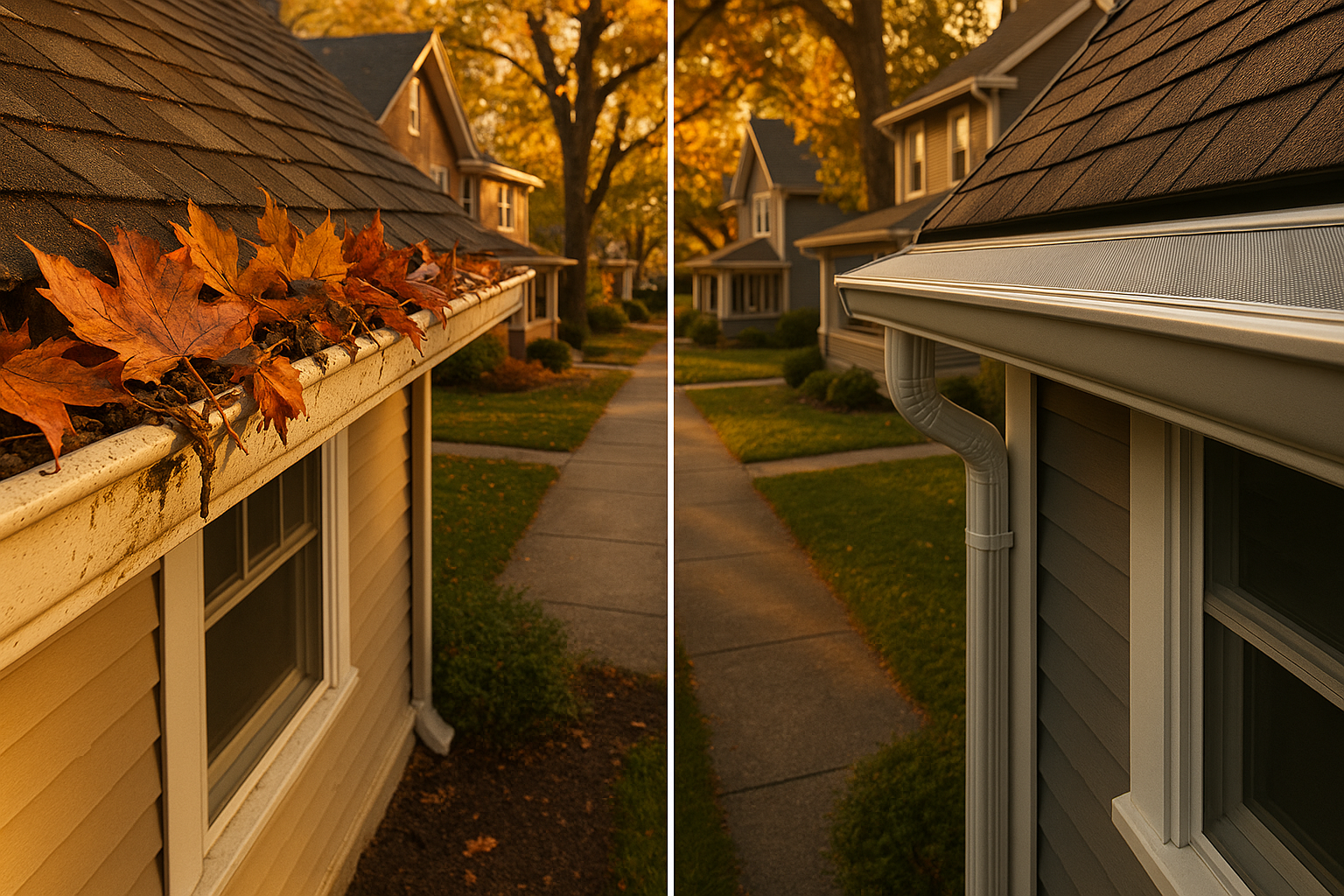
- Gutters: Cleaning $100-200 each fall, maybe twice a year. $8-15/month.
- Pest control: Quarterly service $80-120. $25-40/month.
- Appliances: Repair $200-500. $15/month.
- Smoke/CO detectors: $5/month.
- Exterior wood/deck/fence: Indiana weather beats these up. $15-25/month.
- Landscaping/snow: If you provide it, $50-100/month.
Add it up: $100-180/month per door for a 3-bed, 2-bath. That matches 5-10% of most rents. Don’t forget an emergency reserve: I like $500-1,000 per door for the furnace death at 10 p.m. in January.
And remember: every dollar on preventive maintenance saves $3-5 in emergency repairs later.
The 80/20 of Handyman vs. Licensed Trade
Most small stuff is perfect for a handyman. Handymen in Indy charge $65-95 an hour and can knock out multiple items in one visit—hang a door, fix a leaky faucet, replace a light fixture, patch drywall. That’s way cheaper than calling three trades.
Call a licensed pro for anything involving the main electrical panel, gas lines, or permits. Also, a plumbing leak inside a wall or on the main line. A good handyman will tell you when he’s out of his depth—and that’s a sign you can trust him. Here’s what to expect from a handyman first visit.
Consistency matters. A handyman who knows your properties will spot small issues before they become big ones. After a big storm, pre-scheduled service gets your fence or deck fixed before the next wind event, not three weeks later when every vendor is booked.
Turnover and Make-Ready: Where Money Leaks
Between tenants is where budgets blow up. A typical make-ready in Indiana costs $500-1,500. Plan for patch and paint, flooring touch-ups, hardware swaps, deep clean, and safety checks. Smart landlords pre-scope the unit during the notice period so they can order parts and schedule work for the day after move-out. That cuts vacancy time. See our make-ready timeline.
The tricky part: separating tenant damage from normal wear. A punched hole in drywall is damage—deduct from the deposit. Carpet worn down after five years is normal wear—you eat it. Knowing the difference protects your budget and your legal rear. We wrote a guide on this.
A Simple Spreadsheet Approach (and Why You’ll Sleep Better)
You don’t need fancy software. A Google Sheet works. Log every repair with date, cost, and category. After six months, you’ll see patterns. Maybe one property always has gutter issues because of a huge maple tree. Or another eats water heater elements due to hard water. Adjust your reserves per door.
The biggest benefit isn’t the numbers. It’s sleep. When you know you have $800 in the maintenance account and the tenant calls about a clogged drain, you don’t choose between fixing it and paying the mortgage. You just fix it.
If a truly bad month hits—storm tears off shingles, sump pump dies, water heater leaks—your emergency reserve plus regular budget absorbs it. You’ll be annoyed, not broke.
Stop Guessing: Let’s Set Your Per-Door Number
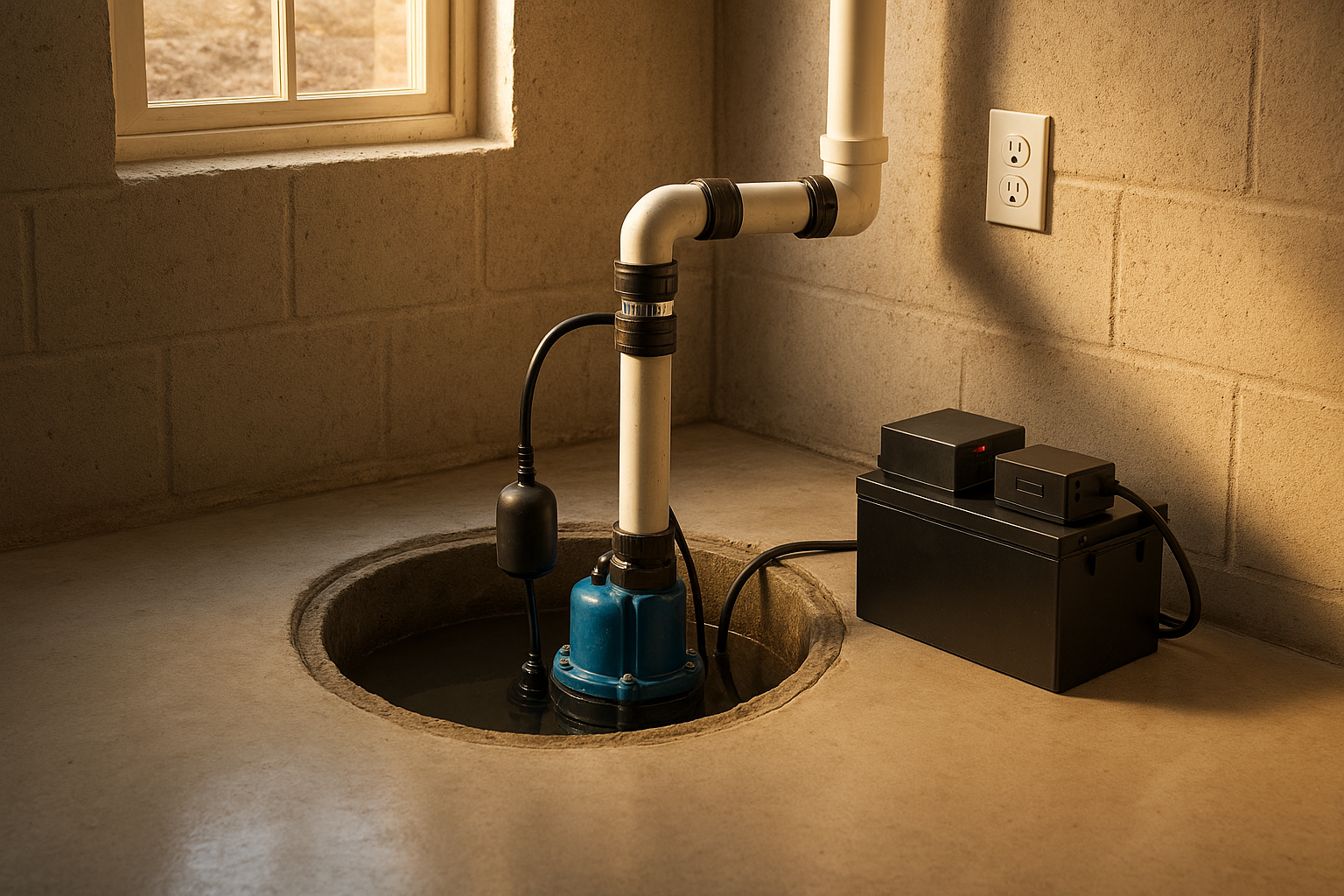
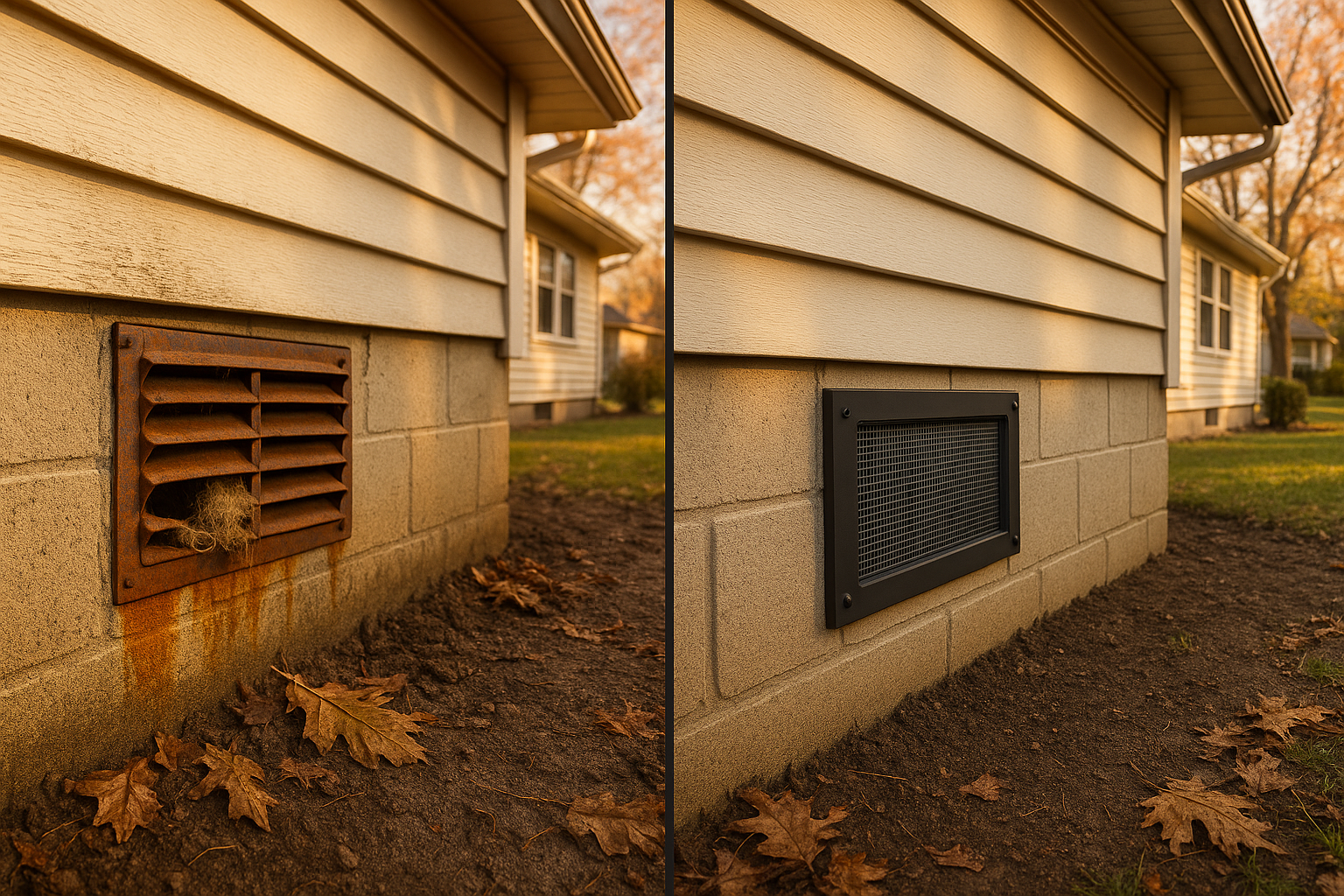
Every property is different. A rule-of-thumb only goes so far. That’s why HandyPros offers a maintenance planning walk-through for Indianapolis landlords. We walk the property with you, point out what’s likely to fail in the next 12-24 months—roof, gutters, HVAC, water heater, sump pump, caulking, exterior wood. Then we give you a straight per-door monthly reserve for that specific building, not a generic percentage.
We work with landlords from Broad Ripple to Zionsville, Greenwood to Brownsburg. If you own rentals in Indianapolis, Carmel, Fishers, Westfield, Noblesville, Avon, Plainfield, or Lawrence, we’ve probably fixed something near you. Give us a call or hit the button below to schedule your walk-through. We’ll help set up a seasonal schedule, prioritize repairs, and stop money leaks before they start. Click here to get a quote.
Ready for a free estimate?
Send us the list, and we'll quote a flat price before we schedule — no pressure, no obligation.