Last July, a landlord in Broad Ripple called me in a quiet panic. Her tenant moved out on a Friday, she had showings booked Monday morning, and the bathroom looked like a wet towel fight happened near the tub. The walls needed patch jobs, the kitchen sink had a drip, and half the outlets were loose. She figured she could knock it out over the weekend. But then Indianapolis humidity did its thing. The quick-dry patch she used stayed soft. The paint wouldn't cure. She ended up canceling showings, losing a week of rent. That's when she asked me: 'How long should a make-ready actually take?'
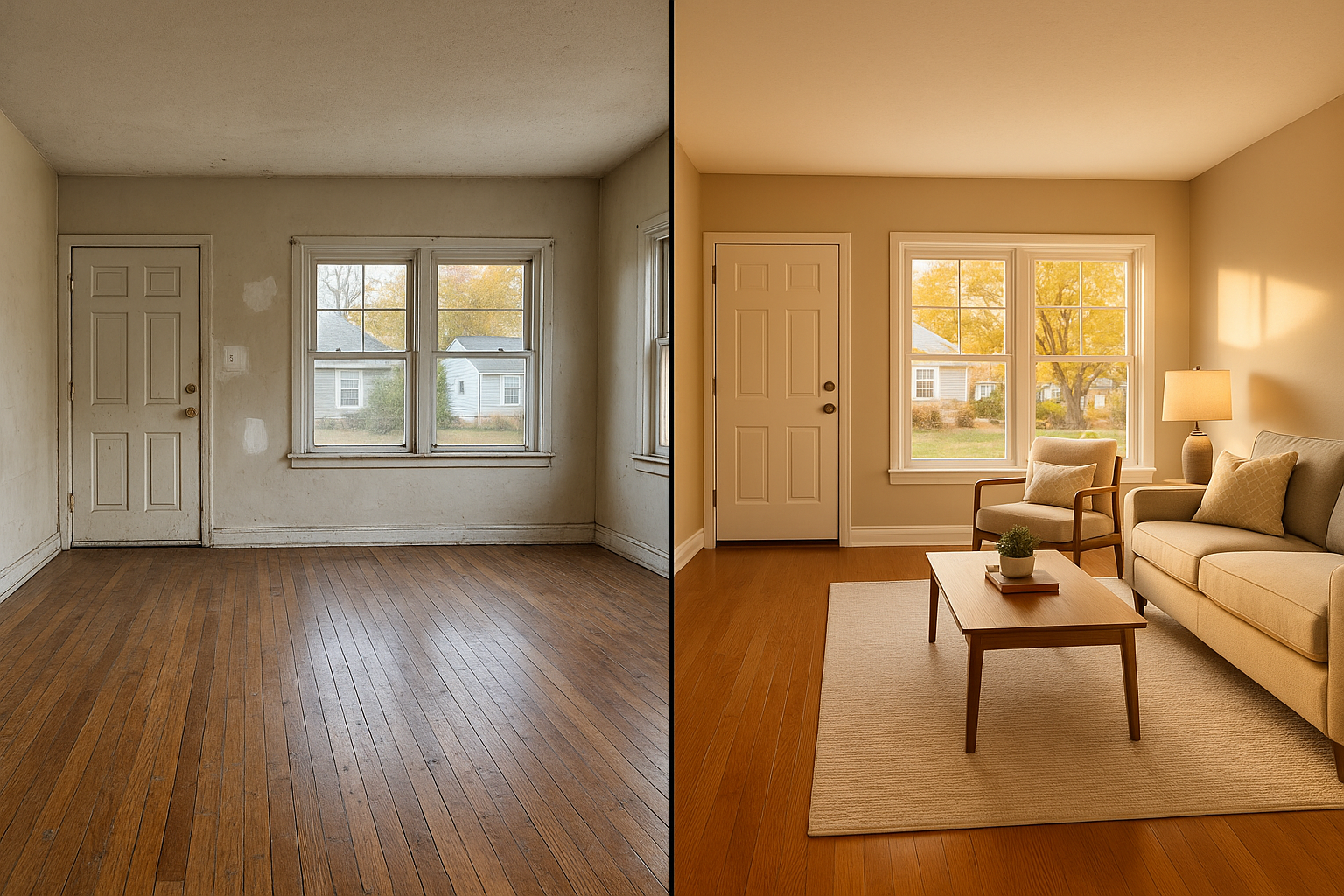
That's a good question. Make ready turnover time is the days between when a tenant moves out and when the unit is clean, safe, and rent-ready again. It's not about a gut rehab. It's about getting the place back on the market without burning money on vacancy.
What's a Realistic Make Ready Turnover Time in Indianapolis?
Here's the truth: it depends on how much wear and tear you're dealing with. But most turns fall into three buckets.
Light turns — 1 to 3 days. This is paint touch-ups, replacing a few outlets, tightening a door hinge, fresh caulk around the tub. Good for tenants who stayed a year or two and didn't wreck anything.
Moderate turns — 3 to 5 days. Now you're patching bigger holes, painting whole rooms, swapping hardware, fixing a dripping faucet, maybe replacing a toilet flapper. This is the most common type in Indianapolis. Older homes in Meridian-Kessler or Broad Ripple often need plaster repair and trim alignment, which adds a little time.
Heavy turns — 5 to 10 days or more. When floors are scratched, appliances need replacing, or you have to call a plumber or electrician. If the unit has been vacant for a while or a previous tenant left damage, this is where you land.
Keep in mind: if you're in Carmel or Fishers, the newer builds turn faster because there's less to fix. But the weather still plays a role. Indiana humidity in late spring and summer slows paint and caulk curing. Cold snaps in winter do the same to adhesives.
A Day-by-Day Flow That Keeps a Turn Moving
The biggest mistake landlords make is starting repairs before they've actually looked at everything. You need a plan. Here's a sample timeline for a moderate turn.
Day 0: Walk the unit. Do it with the tenant still there if you can, or right after they hand over keys. Note every scratch, drip, and loose thing. Take photos. Build a punch list. This is the step that saves you from five runs to the hardware store. Confirm your paint colors and part numbers.
Day 1: Start with safety and structural fixes—smoke detectors, GFCI outlets, door locks. Get patch compound on the walls early so it can dry while you work on other rooms. Order any parts online if the local supply house is out.
Days 1–3: Repairs and paint touch-ups. If you're doing a full repaint, use a paint with a fast recoat time. But in July humidity, that 'dries in 2 hours' might take 4. Don't rush or you'll get streaks. For touch-ups that blend, check out our guide on interior paint touch-up that blends — it'll save you from a full repaint.
Day 3: Detail work. Caulk the tub and sink. Adjust cabinet doors. Tighten towel bars. Walk the unit like a tenant would. Does the door latch catch cleanly? Are there scuffs on the baseboard? Fix them now.
Final day: QA. Test every light switch and outlet. Run the water. Check the heat or AC. Make sure the place smells clean, not like paint fumes. Then hand off keys or schedule your first showing.
For light turns, you compress Days 1–3 into one long day. For heavy turns, you stretch and maybe add a day or two for flooring or appliance delivery.
What Slows Down a Make-Ready (And How to Avoid It)
Indianapolis has its own quirks that can sink your timeline. Here are the big ones.
Humidity and paint dry time. From late May through August, the air is thick. That's also peak leasing season, so you can't afford to wait around for walls to dry. Use fans and a dehumidifier if you have one. For caulk, give it a full 24 hours before anyone touches it—especially in wet areas. This is why I always recommend standardizing your finishes. If every unit uses the same paint color and caulk type, you never have to wonder if the new tube matches the old one. It cuts down decision time and mistakes. (We covered caulking vs. weatherstripping in another post—that's worth a read if you're sealing windows too.)
Parts backorder. If you need a specific appliance part or a matching door knob, call ahead. Don't wait until after you've pulled the old one off. We've had clients stuck waiting a week for a fridge door shelf because nobody thought to order it early.
Vendor no-shows. This hurts. But you can avoid it by working with someone who gives you a written timeline and actually shows up. That's not always easy to find, but it's worth asking for daily updates and photo check-ins. If a vendor goes silent mid-turn, you're stuck.
Scope creep. You start fixing a small drywall crack and suddenly you're retiling the bathroom. That happens when you don't have a clear punch list. Stick to the list, and if something big comes up, decide if it's a safety issue or a 'nice to have.' Safety first, cosmetics later.
When a Handyman Fits vs. When You Need a Licensed Pro
Most make-ready work—patching, painting, caulking, swapping fixtures, adjusting doors—is perfect for a handyman. But if you're moving electrical circuits, installing a new panel, running gas lines, or doing structural changes, call a licensed pro. A good handyman will tell you when to step aside. We're not going to touch a breaker box that needs a new circuit. That's a job for an electrician.
Pre-Leasing and Cutting Vacancy Days
Once the unit starts looking decent (usually after Day 1 or 2), take a few photos. Post them as 'rent-ready soon' on your listing. Don't wait until the place is perfect—renters will scroll past if there's nothing to see. Schedule showings for late afternoon after your final QA, not before. Confirm utilities are on. If you can, pre-schedule your make-ready even without a confirmed move-out date. Give your handyman a window—we can pencil you in and adjust as needed. This is where a rental turnover checklist helps. We've got one you can use for free. And if you're new to working with a pro, read up on what to expect on a handyman's first visit — it'll give you a sense of how a good one walks a unit.
How HandyPros Runs a Make-Ready (And What You Get)
We keep it simple. You call or click the link below. We come out, walk the unit, and within a day you get an itemized scope with a realistic timeline and a parts list. We don't guess. We'll tell you if it's a 2-day light turn or a 7-day heavy one. During the work, you get daily updates—usually a quick text with a photo or two. At the end, we do a final walkthrough with you so there are no surprises. We're based in Indianapolis, we know the neighborhoods, and we know what inspectors and tenants notice.
If you've got a unit turning over soon—or even if you just want a straight answer on your average make ready turnover time—book a walkthrough with us. We'll show you exactly what it'll take and what it'll cost. No fluff, no pressure. Just a plan.
Ready for a free estimate?
Send us the list, and we'll quote a flat price before we schedule — no pressure, no obligation.