Last fall my buddy called me in a panic. He owns six rentals around Broad Ripple. His tenant moved out on a Sunday. New lease started Friday. He figured three days was plenty. Then he did the walkthrough. Cracked window. Bathroom fan sounded like a dying lawnmower. Dishwasher heating element burned out. He hadn't scheduled a thing. That turnover stretched to nine days. Nine days of mortgage, water, and insurance with no rent coming in. After that, he started using a rental turnover checklist. Now most of his units are rent-ready in 48 hours.
Why a Rental Turnover Checklist Saves You Money
Vacancy is the landlord tax. Every day a unit sits empty, you still pay the mortgage, the utilities, the insurance. A checklist cuts the fumbling. You don't have to think about what to do next. You just follow the list. It works the same whether you have two units in Greenwood or forty near IUPUI. The goal is simple: get the place clean, safe, and fixed so the next tenant pays rent fast.
A good rental turnover checklist also gives you consistency. If you manage multiple properties, you'll stop missing the small stuff. A missing smoke detector battery. A leaky faucet aerator. A loose stair railing. Those seem tiny. But they can delay a lease signing or cause a deposit dispute.
Pre-Move-Out: Start Before the Tenant Hands Over Keys
Send a move-out letter about 30 days before the lease ends. Tell tenants what you expect. No trash left behind. Floors swept. All keys and remotes returned. You'd be surprised how often a tenant leaves a garage door opener in their car. Schedule a pre-move-out walk if you can. It lets you flag repairs early and order parts. Confirm the utility end dates. AES Indiana for electric. Citizens Energy for gas and water. You want the meter read on the move-out day so you don't pay for the next tenant's usage.
Line up your materials now. Know your paint color and sheen. Have air filters of the right size. Stock light bulbs. If you use a handyman, give them the move-out date in advance. Don't wait until the keys are on the counter.
Move-Out Day: Keys, Photos, and Rekeying
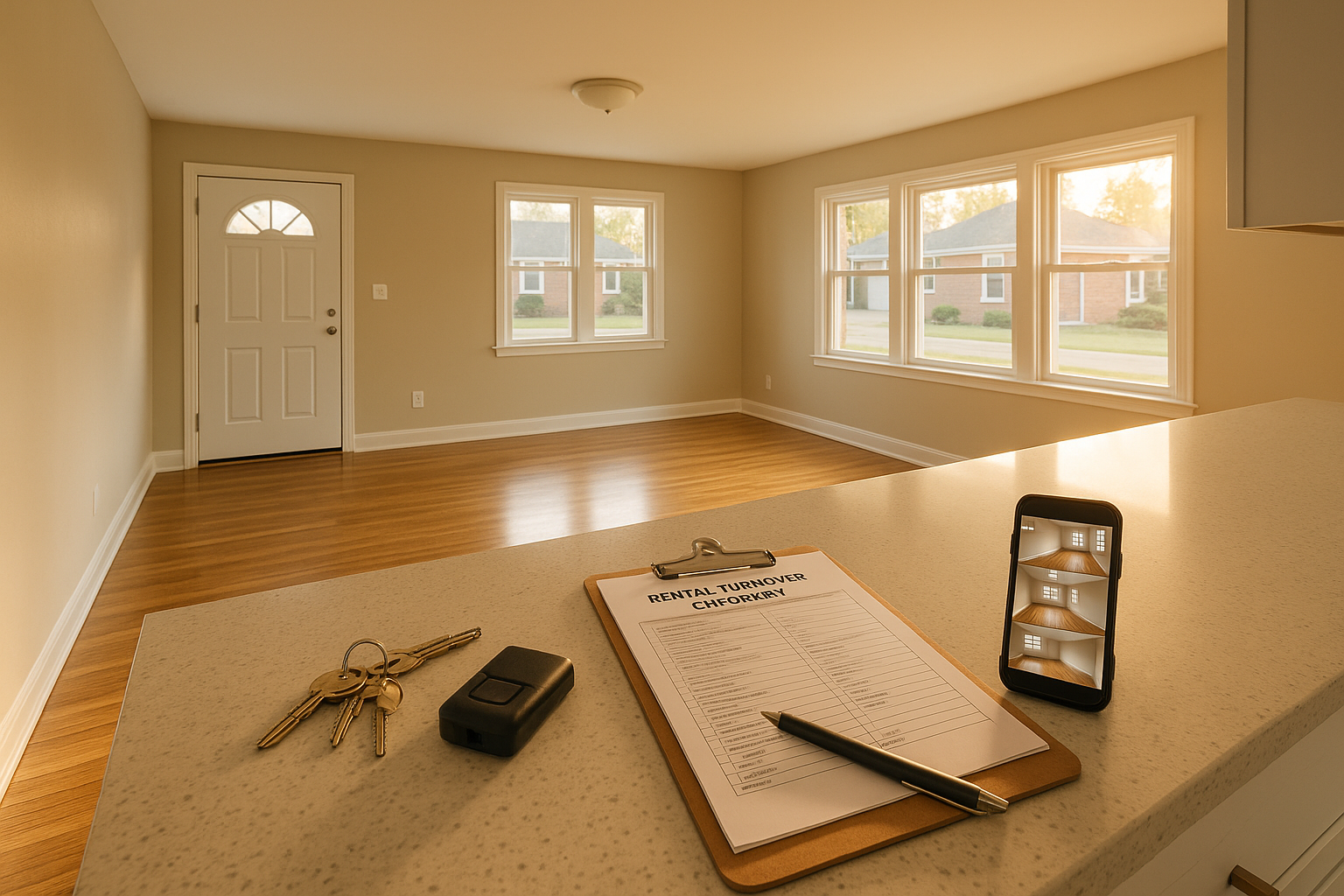
Meet the tenant or use a lockbox. Collect all keys, mailbox keys, pool fobs, and remotes. Document the meter readings with a photo. Then take pictures of every room, every wall, every appliance. Use your phone's timestamp. This is your landlord inspection checklist at its most basic. You'll need these photos later for security deposit deductions in Indiana. Without before and after photos, you'll lose disputes.
Then rekey the locks. Even if the tenant was great. Rekeying between tenants costs about $15 per lock if you do it yourself. Peace of mind costs less than a rekey. Check the deadbolts and door closers too. A door that slams shut on its own will drive the next tenant nuts.
Health and Safety First: The Boring Stuff That Matters
Test every smoke and CO detector. Replace batteries even if they still beep. Push the test button on GFCI outlets in the kitchen and bathrooms. Tighten loose handrails. Look for trip hazards on stairs and thresholds. Window locks should work. Exterior lights need to come on at dusk. These items take minutes but they keep you out of court. A tenant who trips on a loose carpet edge will remember that when it's time to sue.
The Rent-Ready Punch List: Repairs First, Paint Second, Clean Last
Here's the order that works. Repairs. Then paint. Then deep clean. If you clean first, you'll just be cleaning again after the drywall dust settles.
Make a rent-ready punch list as you walk through. Leave baseboards unpainted? Touch them up with a scrubbable finish. For paint touch-up that blends with the old color, feather the edges and use the same sheen. Check out our guide on interior paint touch-up that blends. Re-caulk wet areas with mildew-resistant silicone. Leaky tub surrounds and cracked sink caulk look gross and let water behind the wall. For drafty doors, replace the weatherstripping. Indiana humidity swells doors in the summer. A hand plane and new weatherstripping often fix a sticking door better than replacing it. We wrote about caulking vs weatherstripping if you need the difference.
Other minor repairs between tenants: tighten cabinet hardware, align cabinet doors, replace damaged window screens, repair floor transitions, patch drywall holes from screws or anchors. If the deck or fence has loose boards, fix them now. A wobbly railing is a lawsuit waiting. See our post on fence repair after Indiana storms.
The Deep Clean Sequence
Start high. Dust ceiling fans, light fixtures, vents, and return grilles. Then work down to windows, sills, and baseboards. Last, vacuum and mop floors. In the kitchen, pull the refrigerator out and clean behind it. Wash the hood filter. Wipe inside cabinets. In the bathroom, scrub grout and caulk lines. If the caulk is cracked or moldy, cut it out and re-caulk. The final floor clean should be the absolute last thing before you lock up.
Systems and Exterior: Filters, Faucets, and Gutters
Change the HVAC filter. Use the size printed on the old filter or the unit. A MERV 8 or 11 works for most rental systems. High MERV filters restrict airflow and freeze coils. Test the thermostat. Set it to heat and cool to make sure both work. Clean the faucet aerators and shower heads. Indy has hard water. Mineral buildup clogs them and weakens pressure. Run water in every sink and tub. Look under cabinets for leaks. Flush toilets and check the water shutoffs. A stuck shutoff is a problem you want to find before a tenant floods the place.
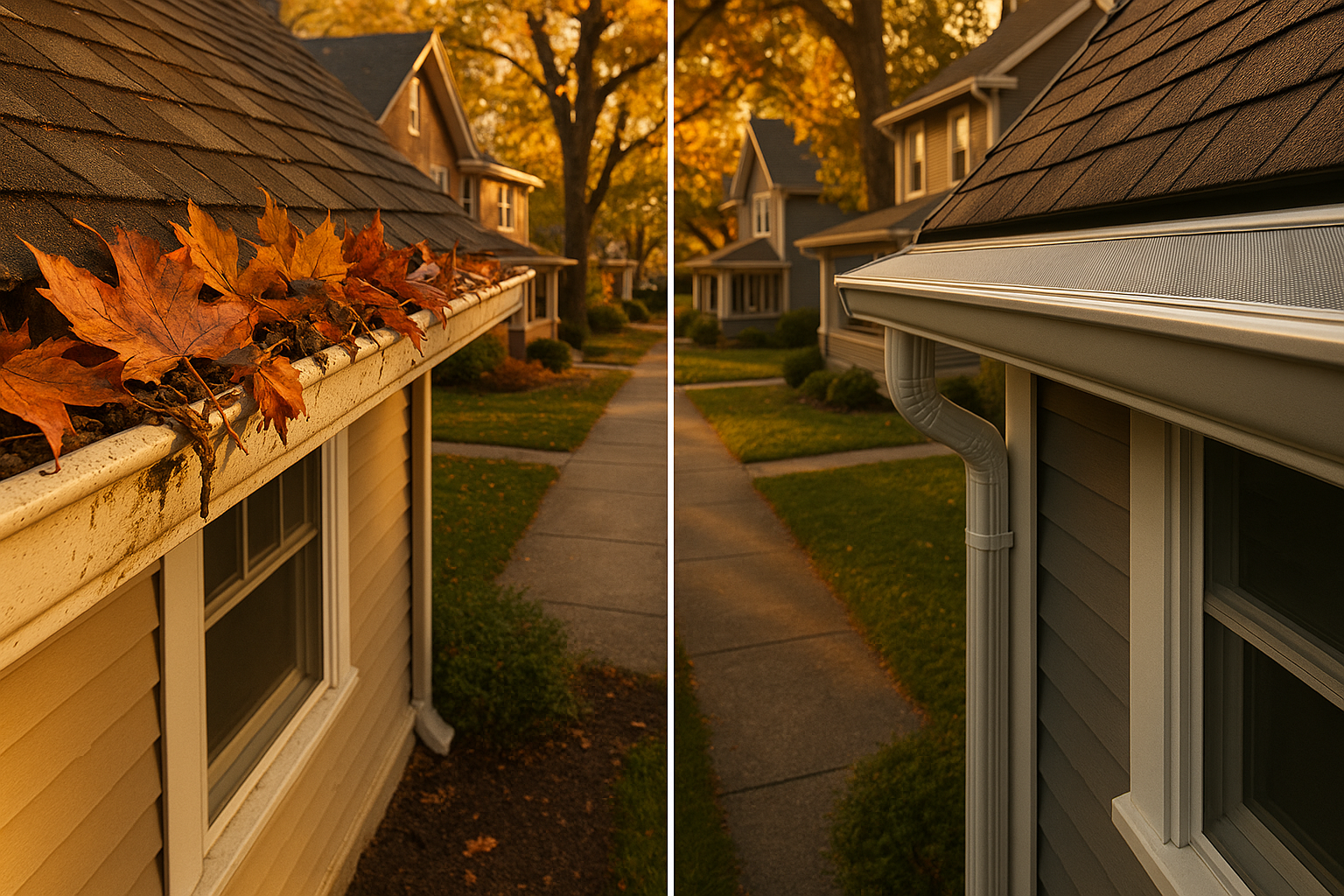
Outside, clean the gutters and downspouts. Central Indiana storms drop leaves and twigs all year. Clogged gutters spill water against the foundation. For a schedule that fits Indiana seasons, read our gutter cleaning guide. Check the exterior lighting, address numbers, mailbox, and threshold. A broken gutter bracket or loose downspout is easy to fix now and miserable to fix in February.
Security Deposit Deductions in Indiana: Document or Forget It
Indiana law gives you 45 days after the lease ends to return the security deposit or send an itemized list of deductions. You can deduct for damage beyond normal wear and tear. Faded paint? Normal wear. Holes in the wall? Damage. Broken blinds? Damage. Dirty oven? You can charge for cleaning if it's beyond normal. But you need proof. Photos from before move-in and after move-out. A written list of repairs with labor and material costs. Keep receipts. If a tenant disputes, your final walkthrough checklist and photos are your best defense. Don't guess. Write it down. Take a picture.
One Indianapolis landlord I know lost a $1,200 deposit dispute because he couldn't prove the carpet stains weren't there before the tenant moved in. He remembered the carpet was clean. But he had no photos. The tenant said the stains were pre-existing. The judge sided with the tenant. Now he takes 300 photos per unit at move-in. That's the price of a missed step.
When to Call a Handyman (and When Not To)
Most turnover tasks don't need a specialist. Caulking, drywall patches, lock changes, screen repair, filter swaps, gutter cleaning. A good handyman can knock out the whole punch list in a day. But if you see exposed wiring, a major plumbing leak, or a deck that feels spongy, call a licensed pro. Structural issues need an engineer. For the rest, a handyman team often costs less than you paying yourself your hourly rate to fumble with a caulk gun.
If you have multiple units turning in August near IUPUI or Butler, you need speed. A single handyman can't be in two places. A crew can split up and finish a three-bedroom house in one afternoon. That's where a local team makes sense.
Need a clean, itemized scope before you spend a dime? Book a make-ready walkthrough with HandyPros. We'll walk the unit with you, write down every task, and give you a clear quote. No surprise add-ons. We work in Indianapolis, Carmel, Fishers, Zionsville, Westfield, Noblesville, Greenwood, Brownsburg, Avon, Plainfield, and Lawrence. Get your turnover plan started.
Ready for a free estimate?
Send us the list, and we'll quote a flat price before we schedule — no pressure, no obligation.