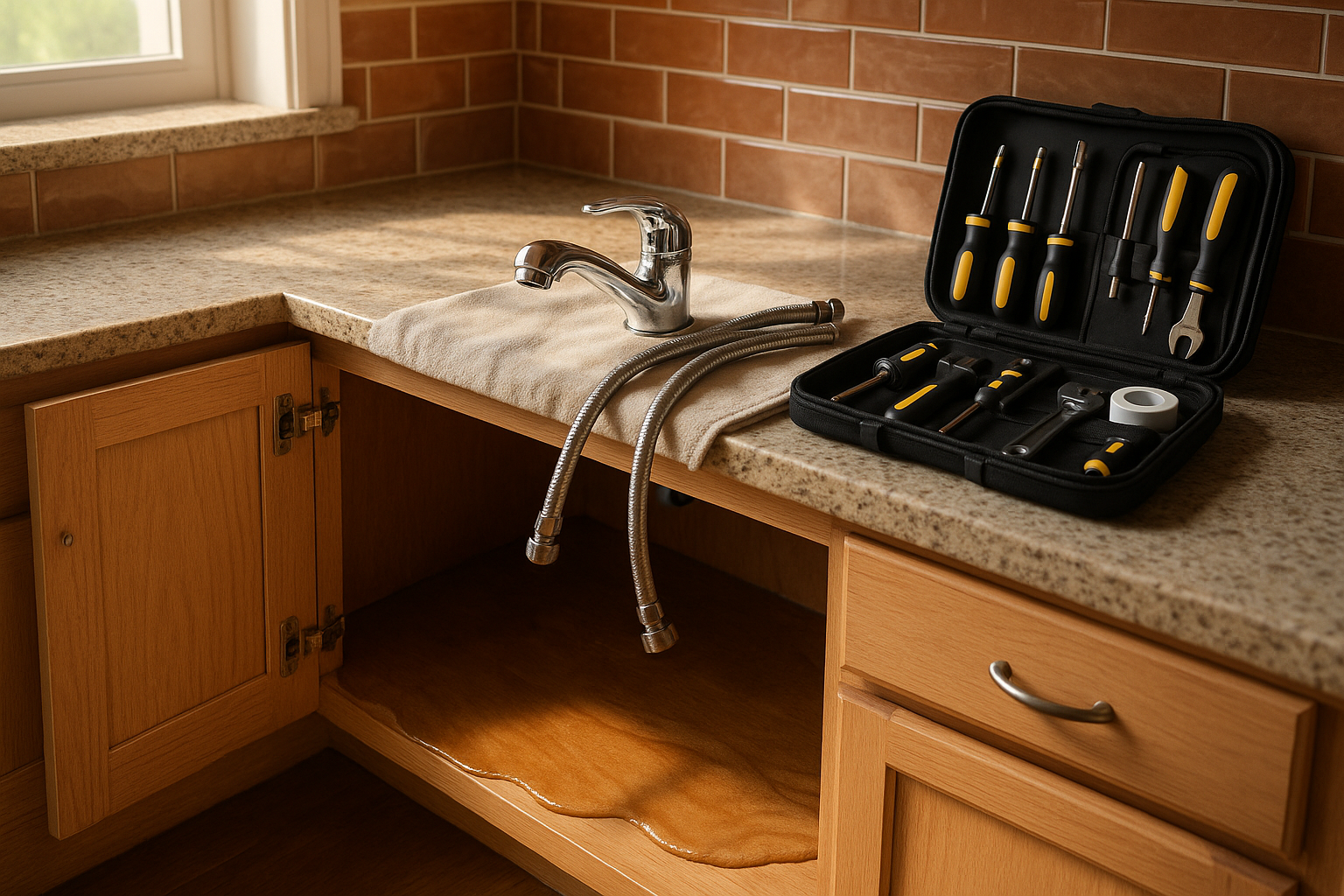
Last spring my buddy Mike sent me a text that started with three angry emojis. He'd spent Saturday morning trying to swap out a kitchen faucet. By noon he had shut off the main water, flooded the cabinet, and was on hold with the manufacturer. When he finally gave up and called a local handyman, the guy had it fixed in 20 minutes. Mike's question after that: "Wouldn't a contractor have been better? Or could I have just done it myself?" That's where the handyman vs contractor question gets muddy for a lot of Indianapolis homeowners.
So What's the Actual Difference?
A handyman is your house's family doctor. They handle the everyday aches and pains—small repairs, maintenance, and single-trade fixes. Think drywall patches, deck board replacements, gutter cleaning, TV mounting, door adjustments, caulking. Most handymen work alone or with a helper, and they don't pull permits for structural or major system work.
A licensed general contractor is more like a surgeon running an operating room. They manage big projects that involve multiple trades, structural changes, or complicated permits. If you're adding a room, moving a load-bearing wall, rewiring a whole house, or re-piping a bathroom, that's contractor territory. They coordinate electricians, plumbers, framers, and inspectors—and they carry the liability if something goes wrong.
When a Handyman Makes Sense
Indianapolis is full of older homes—think Broad Ripple bungalows, Meridian-Kessler four-squares, and Irvington charmers. Those places have character, but they also have plaster walls, galvanized pipes, and the occasional door that won't latch. For that kind of stuff, a handyman is your best friend. You get fast scheduling, lower overhead, and someone who can knock out a punch list in a single visit.
Here's what a handyman typically handles:
- Patching drywall after a plumbing leak (even messy holes in a corner of the living room)
- Replacing a few rotting deck boards or tightening railings—freeze-thaw cycles in Fishers and Westfield are brutal on wood
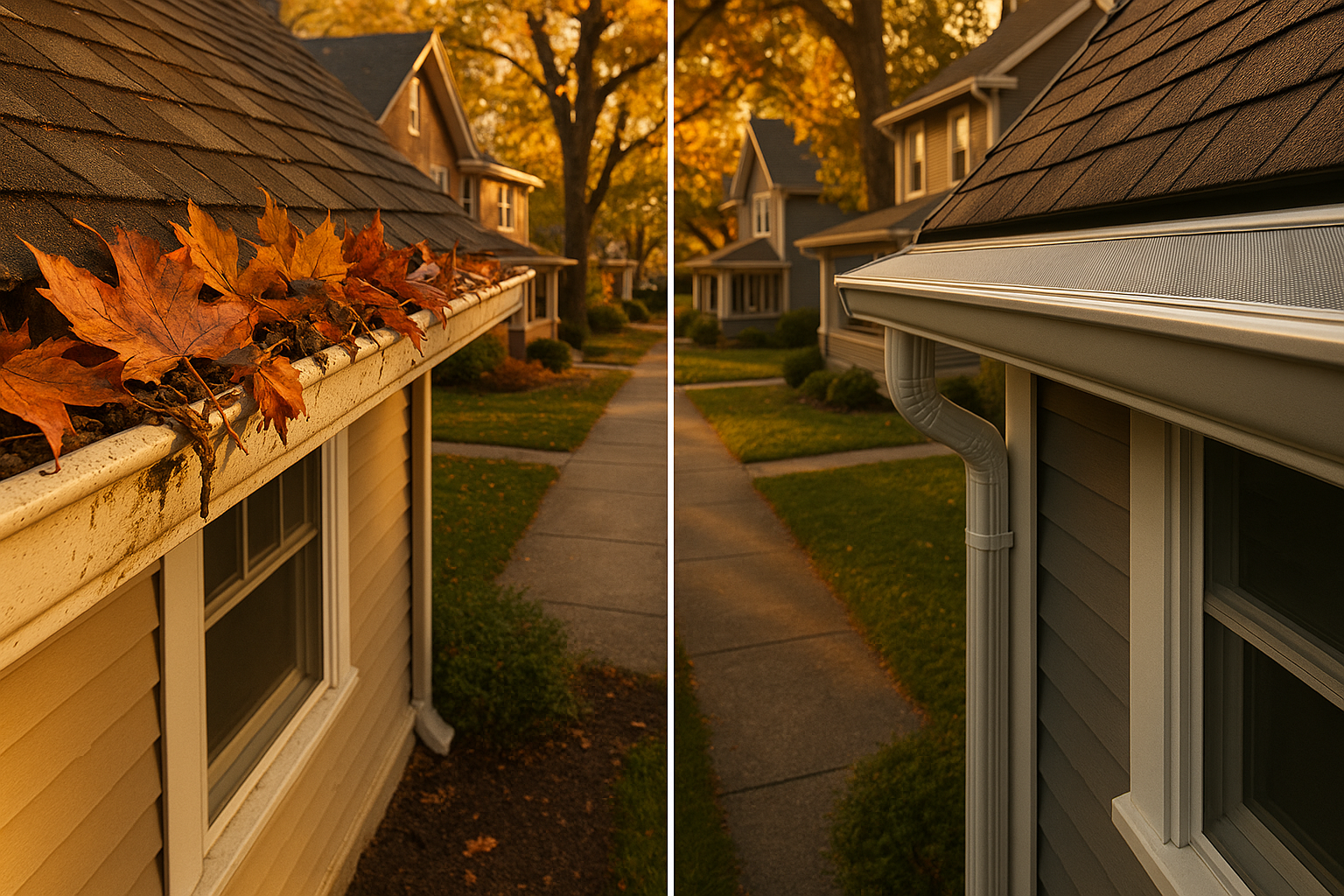
- Cleaning and resealing gutters before fall leaf drop clogs the downspouts
- Swapping a faucet or toilet, as long as no new supply lines or drain reroutes are needed
- Mounting a TV on a plaster wall without cracking the finish
- Rental turnover punch lists between tenants—quick fixes that get the unit back on the market
Cost-wise, a handyman in Indianapolis typically charges $60–$125 per hour depending on the job and whether materials are included. For small, defined tasks, you might spend a few hundred dollars total. If you're curious about what typical jobs run, check out our handyman rates guide or specific pages like drywall repair costs and TV mounting costs.
When You Need a Licensed Contractor
Contractors aren't being difficult when they tell you a job is too big for them to squeeze in. They're protecting you from a mess. If your project involves structural changes, major electrical or plumbing work, or anything that requires a building permit, you need a licensed contractor.
Here's the thing: Indianapolis/Marion County requires permits for most structural work, major electrical upgrades, and significant plumbing changes. That means if you want to knock out a wall between the kitchen and dining room, add a bathroom, or upgrade your panel from 100 to 200 amps, you can't just hire a handyman to "get it done." A contractor pulls the permit, schedules inspections, and makes sure the work meets current code. If you skip that step and sell the house later, you might have to undo everything to satisfy an inspector.
I heard about a homeowner in Meridian-Kessler who hired a handyman to remove a short wall near the basement stairs. Turned out that wall was load-bearing. No permit, no engineer, no temporary support. The ceiling sagged, the inspector got involved, and the repair cost three times what a contractor would have charged from the start. The handyman wasn't a bad guy—he just didn't know what he didn't know.
So when do you call a licensed contractor? Here's a quick list:
- Moving or removing walls, even if they look thin
- Adding a room, garage, or second story
- Replacing a roof or repairing roof structure
- Major electrical work—new circuits, service panel upgrade, whole-house rewiring
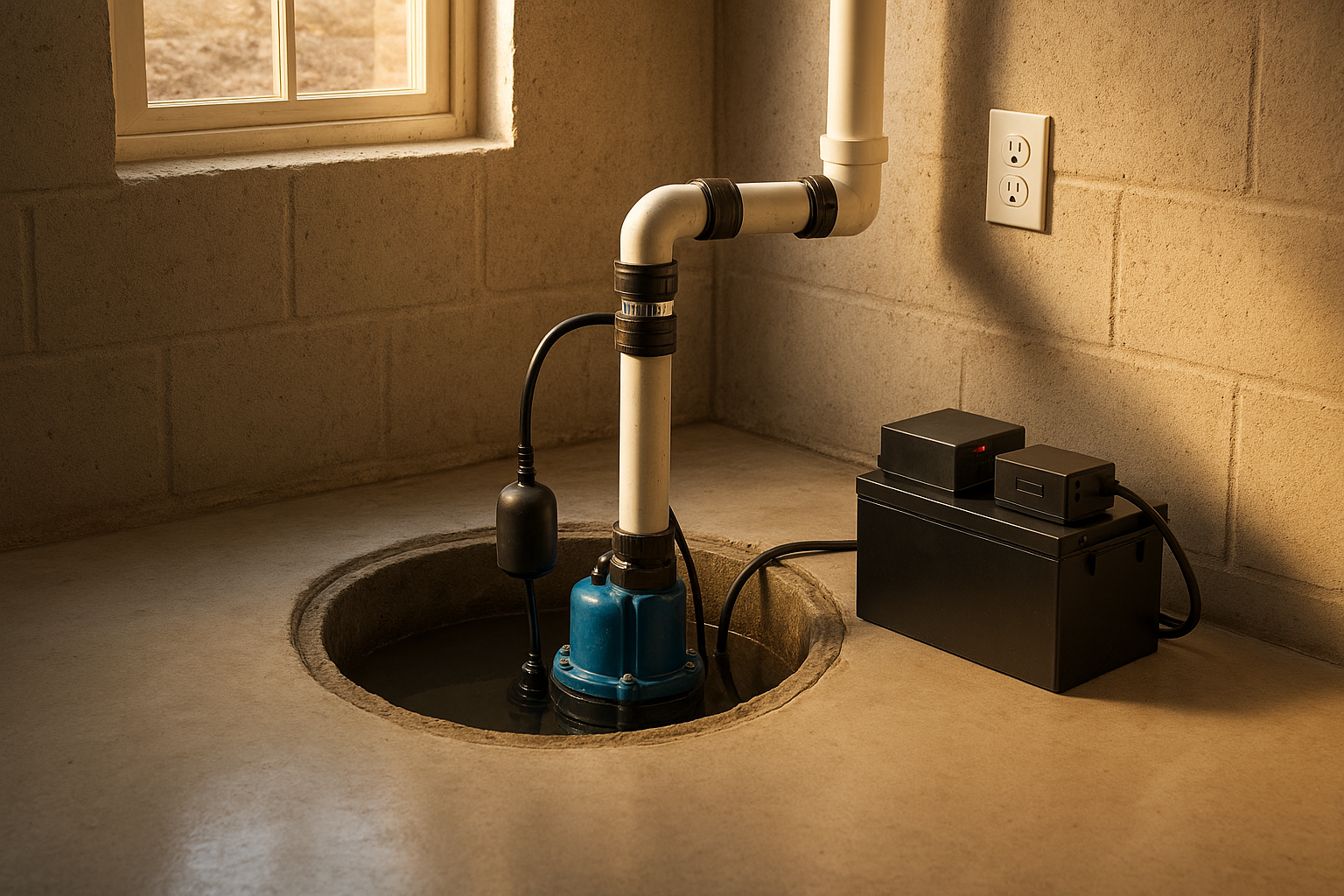
- Major plumbing—re-piping, sewer line replacement, moving a bathroom across the house
- Large deck rebuilds (not just board replacement) or anything with footings and beams
Permits, Trade Rules, and Local Quirks
Indiana doesn't require a state license for general handyman work. But that doesn't mean handymen are unqualified—it means the responsibility falls on you to check their insurance and bonding. Any reputable handyman should have general liability insurance and be willing to show you the certificate. If they don't, walk away. For electrical, plumbing, and HVAC, Indiana requires licensed professionals for anything beyond very minor swaps (like changing a light fixture or replacing a faucet cartridge).
Local quirks matter too. Historic districts like Lockerbie Square or parts of Irvington often require design review before you change anything visible from the street. HOAs in Carmel and Zionsville sometimes demand approval for exterior paint colors or fence repairs. Even if no permit is needed, a clear written scope from your pro can save you a headache when the HOA asks questions.
Seasonality matters for exterior work. Our freeze-thaw cycles mean decks and steps take a beating. If you catch a few bad boards in spring, a handyman can replace them before the whole deck needs a rebuild. But if you wait until the joists are spongy, you're suddenly in contractor territory. Same with gutters—cleaning and resealing is a handyman job, but if they're pulling away from the fascia because the roof deck is rotted, you need a contractor. We covered a lot of this in our winterizing guide if you want to get ahead of the damage.
What About Cost and Timeline?
The pricing models reflect the difference. A handyman quotes hourly or per task. You pay for time and materials on a small scale, and most jobs finish same-day or within a few days. Contractors add a markup on materials and subcontractor labor to cover project management, insurance, and overhead. That's why a small drywall patch costs $200 and a full room remodel costs $20,000.
Timeline is the other factor. Handymen can usually slot you in within a week—sometimes same-day if it's an emergency like a leaking sink. Contractors might be booked out for months, especially in busy seasons like spring and fall. If you need a faucet swapped before your parents arrive on Friday, don't call a general contractor. If you want a new primary suite added by Thanksgiving, don't ask a handyman to squeeze it in between TV mounts.
How HandyPros Approaches It
We're a planning-first handyman service. That means when you call us, we don't just show up with a tool bag and start guessing. We do a walkthrough, write down exactly what we'll do, what materials we'll use, and what it'll cost. If we look under the sink and see corroded shutoff valves, we'll tell you that's a licensed plumber's job. If you want to remove a wall, we'll say that straight up: "You need a contractor for this, and here's why."
That honesty matters. We'd rather lose a job by telling you the truth than win it by pretending we can do something we shouldn't. And when the job is in our wheelhouse—drywall patches, deck board replacements, gutter cleaning, TV mounts, rental turnovers—we do it with clean lines and materials that hold up to Indiana weather.
If you're still not sure whether your project needs a handyman or a licensed contractor, don't guess. Book a local assessment with HandyPros. We'll come out, look things over, and give you a written scope and estimate. Then you'll know exactly who to call—and you won't end up on hold with a faucet manufacturer.
Ready for a free estimate?
Send us the list, and we'll quote a flat price before we schedule — no pressure, no obligation.