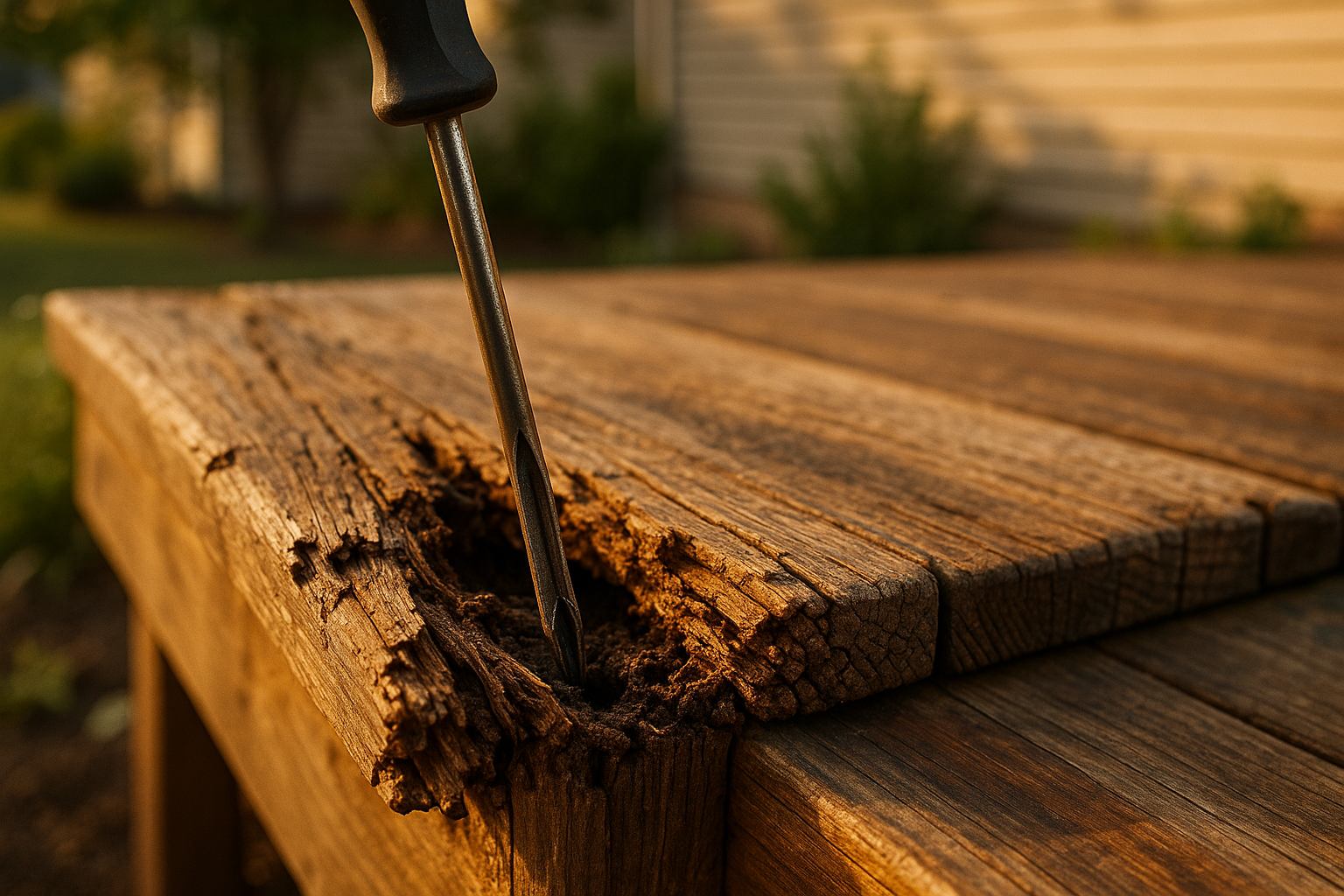
Last spring I got a call from a guy in Broad Ripple. His deck felt 'bouncy' near the grill. Turned out a few boards were so rotted you could push a screwdriver through them. He figured he needed a whole new deck. He didn't. He needed deck board replacement before someone got hurt. That's a call we get a lot from homeowners in Indianapolis, Carmel, and Fishers. Decks look fine from ten feet away, but up close they're hiding soft spots, splinters, and nails popping up.
When to Worry: Deck Boards That Are Done
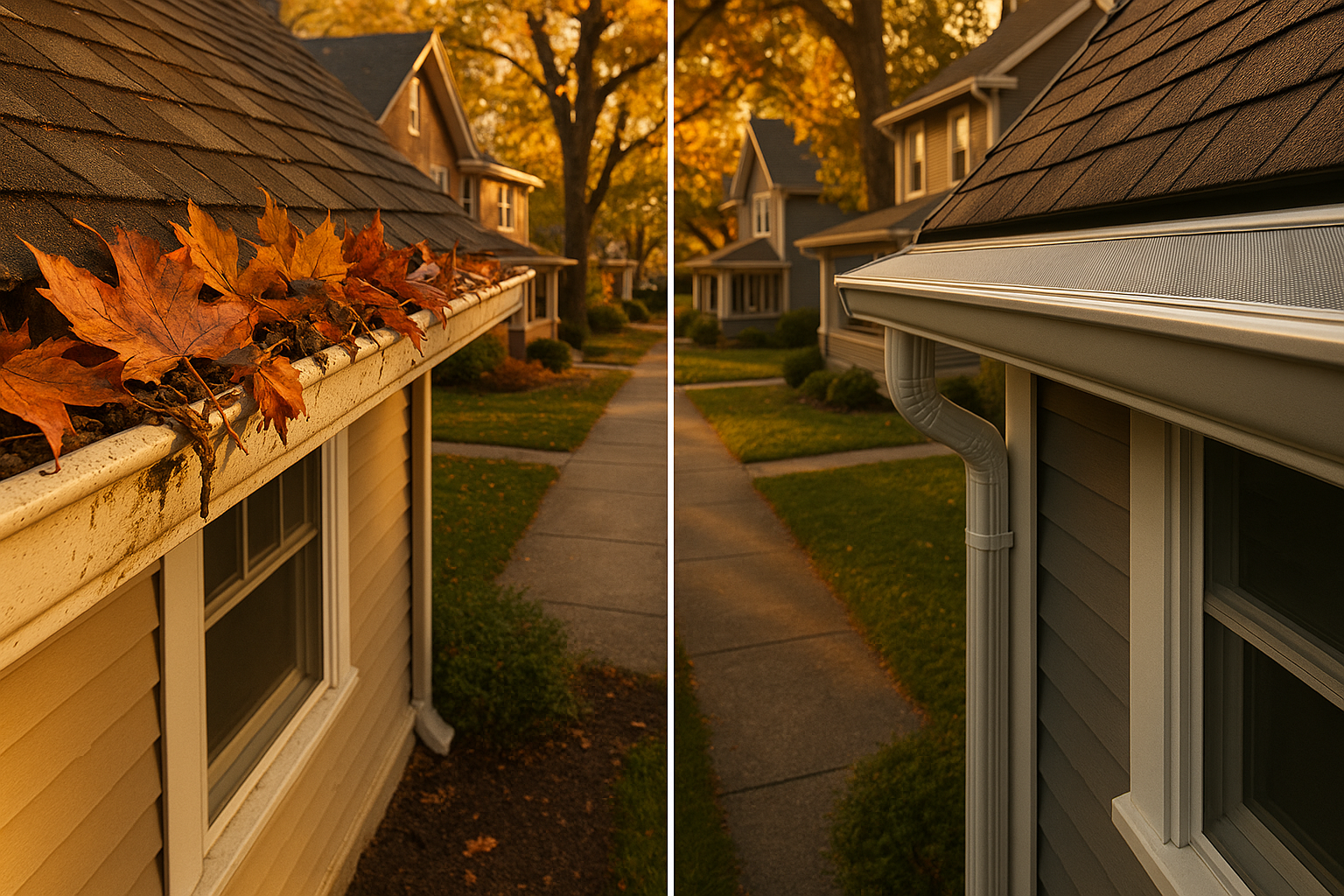
You know it's time when you step and the board feels spongy. Or your dog gets a splinter. Or the boards cup so much water pools after rain. In Indiana, freeze-thaw cycles do a number on wood. Water gets into the end grain, freezes, expands, and splits the fibers. Soon the board warps. If you're seeing any of that, stop using the deck until someone checks the framing. A bad board can be a trip hazard. And if the joists are rotting too, you've got bigger problems. We've seen decks in Westfield where three boards looked fine, but the hidden one under the grill mat was gone. And if your gutters are spilling water onto the deck, that speeds up rot—clean gutters help a lot.
Repair, Resurface, or Rebuild?
Replacing a few boards is fine if the framing is solid. But if more than a quarter of the boards are shot, or the joists feel soft, you might be looking at a resurface or even a rebuild. Here's the rule of thumb: if the ledger board (where the deck attaches to the house) is sound, the joists are solid, and the railings aren't pulling away, you can usually get away with deck board replacement. If the ledger is rotten or the posts wobble, stop. That's a structural issue. Get a pro to look. We've seen decks in Zionsville where the rim joist was gone but the surface boards still looked okay. Hidden rot is the worst. A quick check under the deck can save you from a costly mistake. And remember, some small fixes now can prevent big bills later—check out our blog on small repairs that prevent big bills.
The Indianapolis Deck Material Question
Pressure-treated pine is the cheapest. It's everywhere in Indy. But it'll crack and twist as it dries. Cedar looks nicer and resists rot, but it's softer and costs more. Composite boards (like Trex or TimberTech) are the low-maintenance pick. They don't splinter, and they handle our freeze-thaw better. But they get hot in the summer sun, and they cost more upfront. If you're swapping just a few boards, matching the old wood can be tricky. Pressure-treated pine will look greenish for a few months, then gray. Cedar will fade. Composite colors fade too, but slower. If you can't match, you might decide to replace the whole surface. That's a resurface. It costs more but looks consistent.
What HandyPros Checks Before Swapping Boards
Before we touch a board, we look underneath. We check the joists, the rim board, the ledger flashing. In older decks around Meridian-Kessler, we often find missing flashing at the ledger. That lets water run behind the siding and rot the rim. We also check stair treads, rail posts, and how close the deck sits to the ground. If there's less than a foot of clearance, air can't dry things out. You get mold and rot. We'll also check the gap spacing. In Indy weather, boards need a little room to swell. We space wood boards about 1/8 to 1/4 inch. For composite, we follow the maker's spec. We also look for cracks in the house foundation or drywall from freeze-thaw—Indiana homes shift a lot. That might signal a bigger structural issue.
The Real Costs and Timeline (No Surprises)
Board-only replacement on an average deck (say 12x16) usually takes us 1 to 3 days, depending on how many boards and whether we hit any hidden rot. Weather can delay things, especially in spring. Rain makes framing swell, and we don't want to set boards on wet joists. Deck board replacement cost is driven by three things: material, size, and what we find when we pull boards up. Pressure-treated pine is the cheapest, maybe $3-5 per square foot for materials and labor. Cedar runs $6-9. Composite can be $10-15 or more. If we find rotted joists or a bad ledger, the price goes up—but we'll call you before we do anything extra. No surprise bills. Permits usually aren't needed for like-for-like board swaps in Marion County, but if you're changing structure or rail height, you might need one. And if you're in an HOA (common in Fishers, Carmel, and Geist), check their rules first. We'll help with that.
After the Boards Go Down: Staining and Maintenance
After new wood boards go down, don't stain them right away. Pressure-treated lumber is wet from the mill. You need to let it dry out, often 4-8 weeks, before staining or sealing. Otherwise the stain won't soak in. Composite needs almost no care—just soap and water. For wood, we recommend a good oil-based stain every few years. Also, keep the gaps clean. Leaves and pine needles trap moisture. If you have trees overhead, consider a leaf blower once a month. And if you're using de-icer near the deck, pick a non-chloride kind. Salt eats wood and metal fasteners.
Ready to Fix That Deck?
If your deck is making you nervous, don't guess. We'll come out, look at it, and tell you straight what needs done. Sometimes it's just a few boards. Sometimes it's more. Either way, you'll get a written quote with materials, timeline, and no pressure. Fill out the form on our quote page and we'll set up a time. And if you're not ready to commit, read our post on small repairs that prevent big bills—it's saved a few decks already.
Ready for a free estimate?
Send us the list, and we'll quote a flat price before we schedule — no pressure, no obligation.