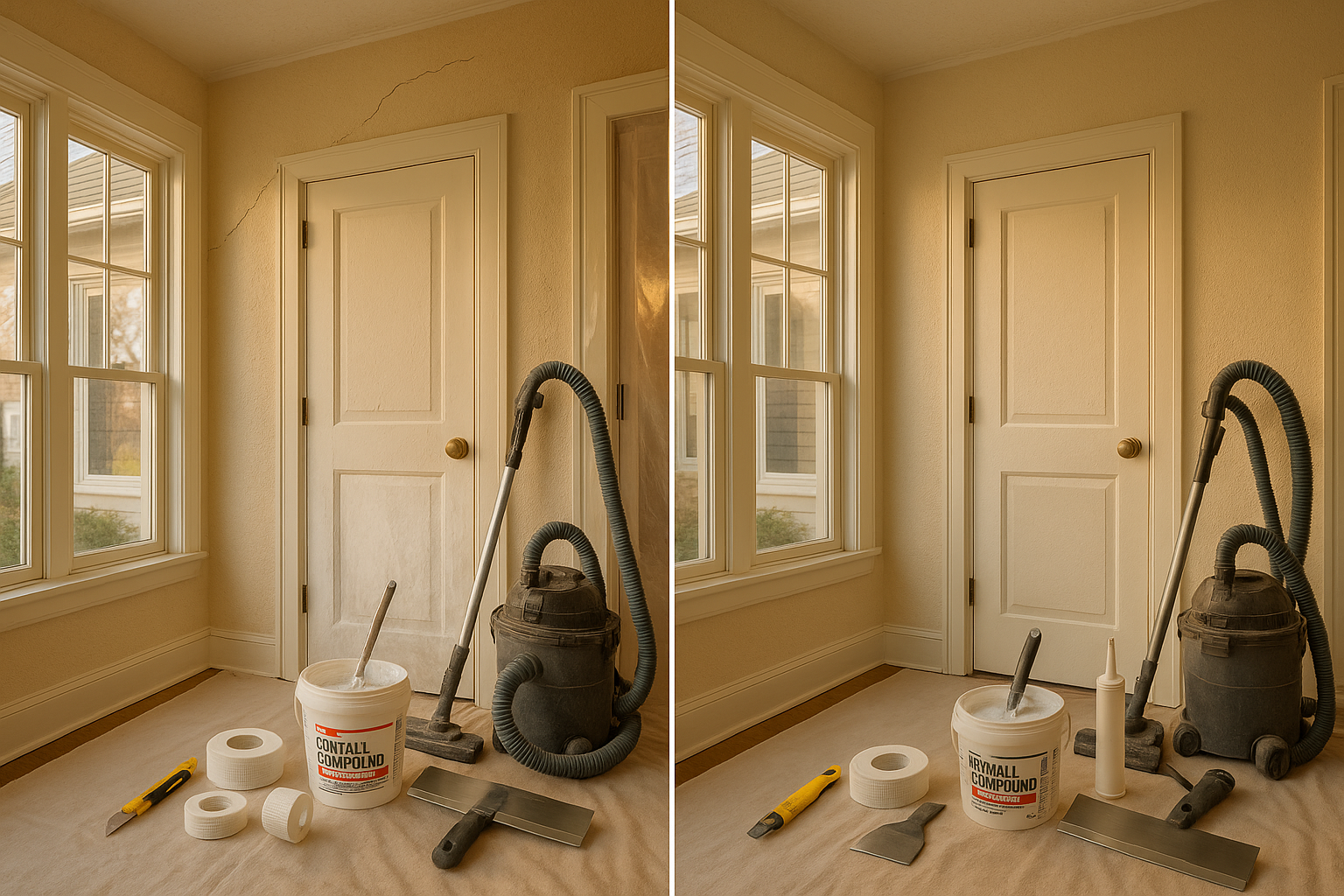
I was over at my friend Sarah's place in Broad Ripple last February, sipping coffee in her sunroom, when she pointed at the corner above the door to her basement. There it was. A hairline drywall crack, about eight inches long, running diagonal from the top corner of the door frame. She'd patched it the year before — sanded, painted, the whole works. And now? Back again, same exact spot. 'It's like the house is messing with me,' she said. I get that feeling. Over the years, I've seen a lot of drywall cracks in walls around Indianapolis, Carmel, Fishers, and the older neighborhoods. And the truth is, most of them are not your fault. They're your house reacting to Indiana's weather and soil. But that doesn't mean you have to live with them forever.
Why Your Indianapolis Home Puts Those Cracks Back Every Season
Indiana is tough on drywall. We get hot, muggy summers where the air feels like soup, and then dry, cold winters that suck every drop of moisture out of the wood framing inside your walls. Wood expands when it's humid and shrinks when it's dry. That back-and-forth movement — called seasonal movement — is the number one reason for those stubborn hairline drywall cracks around door and window corners.
Then there's the ground. Central Indiana sits on clay soil. Clay expands when wet and shrinks when dry, just like the wood. Add freeze-thaw cycles in winter, and you get tiny shifts in your foundation. Most homes here handle it fine, but it can show up as drywall joint cracks or nail pops along seams. In older neighborhoods like Meridian-Kessler or Irvington, you might also see cracks where original plaster meets newer drywall. That joint can be fragile if it was never bridged properly.
And then there's truss uplift. This one freaks people out every winter. If you have a ceiling crack where the wall meets the ceiling in an upstairs bedroom or hallway, and it opens up only in cold weather, then closes back in spring? That's your roof trusses lifting slightly off the interior walls. It's normal building physics, not a sign your house is falling down. But you still want to fix it in a way that lets the house move without cracking again.
When Should You Actually Worry About a Crack?
Most drywall cracks in walls are cosmetic. But some are not. Here's the quick test I use with homeowners.
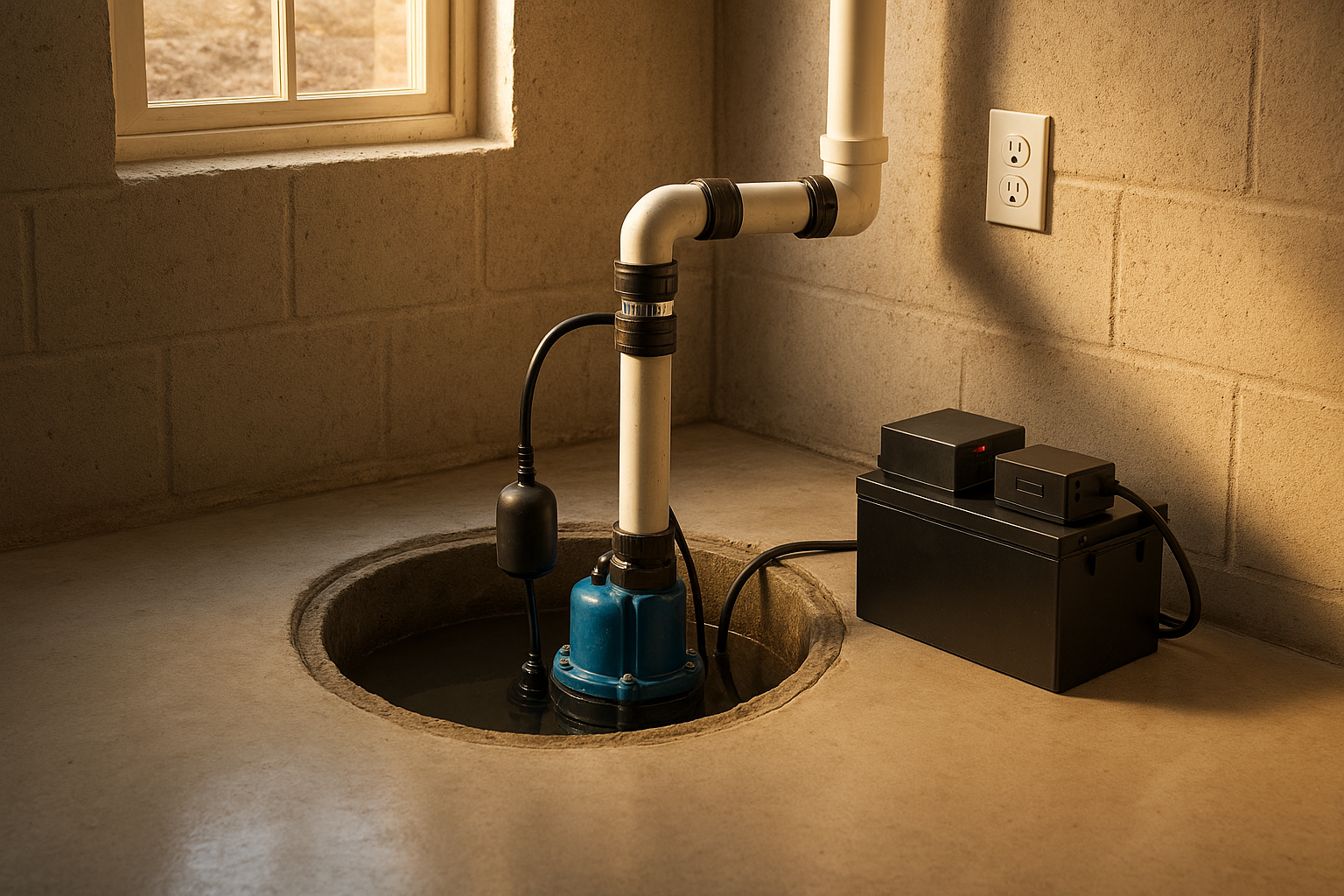
First, look at the crack. If it's a thin, stable hairline under 1/16 inch wide, and it's been there for months without growing, you can probably fix it with simple drywall repair. But if the crack is wider than 1/8 inch, runs diagonally across the wall, keeps growing, or comes with a door or window that suddenly sticks, that's a sign of more movement than typical seasonal settling. Same goes for cracks that follow a moisture leak behind drywall — you'll usually see a yellowish stain, soft or crumbly drywall, or a musty smell. In basements around Hamilton County, especially in Fishers, Zionsville, and Westfield, we see this after heavy rains or a failed sump pump. Fix the water first, then the drywall. Always in that order.
A crack in the corner bead — the metal or plastic strip that gives outside wall corners their sharp edge — is usually just from someone bumping it with a vacuum or a suitcase. That's an easy corner bead crack repair. But if it's been hit so many times the bead is loose, you might need to refasten it or replace a section.
The Right Way to Fix Drywall Cracks That Keep Coming Back
Here's the part most DIY repairs miss: you can't just smear spackle over a crack and call it done. The crack comes back because the wall wants to move, and spackle dries hard and brittle. So when the house shifts again, the spackle cracks. Sound familiar?
A lasting repair uses a few different materials depending on the crack type.
-
Hairline drywall cracks: You need to open up the crack slightly with a utility knife (called a V-groove), then apply paper tape or fiberglass mesh tape, then cover with a setting-type joint compound. Setting compound is a powder you mix with water. It dries through a chemical reaction, not by evaporation, so it shrinks less and dries harder than ready-mix spackle. That's key for cracks that move a little.
-
Drywall joint cracks (along flat seams): Same idea. Sand down the old tape, cut out any loose paper, retape with fresh mesh or paper tape, and float out two to three coats of compound, feathering each coat wider than the last. Use a wide drywall knife — at least 10 or 12 inches — so the patch disappears into the surrounding wall.
-
Ceiling cracks from truss uplift: This one is tricky because the movement is ongoing. If you just retape the joint with stiff paper tape, it may crack again next winter. A better fix is to float the joint but then run a small bead of elastomeric caulk at the wall-ceiling line before painting. Elastomeric caulk stretches and stays flexible, so it can absorb that seasonal movement without tearing. Some folks go a step further and install a small piece of flexible molding or a shadow line. That look is actually very popular in newer homes in Carmel and Zionsville.
-
Nail pops or screw pops: These little round bumps are from fasteners backing out. The fix is to reset the nail or screw deeper, add a second one nearby, dimple the surface, fill, and sand. If you just spackle over the nail head without resetting it, it pops again within months.
And for any repair on a textured wall — like light orange peel or knockdown texture — you have to match the texture. That's the difference between a patch you can see from across the room and one that disappears. We spend a lot of time matching the common local finishes in Indianapolis homes. Smooth walls are actually the hardest to blend, because any imperfection shows. Orange peel is a little more forgiving.
Dust, Mess, and Why the Cheapest Bid Isn't Always Cheapest
Drywall sanding makes a fine white dust that gets into everything. If you've ever tried to sand a patch in your living room without plastic sheeting, you know what I mean. It coats the TV, the couch, the dog. For a proper repair, we contain the work zone with plastic barriers, cover floors and furniture, and use sanding vacuums with HEPA filters. That keeps your house livable during the repair. It's also why a professional drywall repair in Indianapolis might cost more than a handyman with a bucket of spackle and a sanding sponge. You're paying for cleanliness and a result that lasts more than one season.
Now, should you DIY it? For a small hairline crack in an out-of-the-way spot, sure. Go slow, use the right materials, and watch a few videos. But if the crack is on a ceiling, wide, recurring, or on a textured wall, call someone who does this every week. Drywall repair is a skill, especially the finishing. A bad patch looks worse than the original crack. And then you have to live with it until you pay someone to fix the fix.
We also see a lot of homeowners worried that a drywall guy will push them into a foundation repair. That's rare. Most cracks have nothing to do with your foundation. If we think there's a real structural issue, we'll tell you to get a structural engineer's opinion, not just sell you piers. But 9 times out of 10, it's just Indiana being Indiana.
How HandyPros Approaches Your Drywall Cracks
When you call HandyPros, we don't show up with a one-size-fits-all patch. We'll walk through your home with you, look at every crack, and figure out what's causing it. Then we give you a written scope of work and a flat price, so there's no surprise at the end. We'll also tell you if we think a crack is purely cosmetic and you can safely leave it alone. That's the kind of honesty we'd want ourselves.
If you're tired of playing whack-a-mole with drywall cracks in your Indianapolis-area home, request a no-pressure on-site assessment at HandyPros. We'll help you understand exactly what's going on behind that paint — and whether it's something we can fix in an afternoon or something that needs a second look. Our service area covers Indianapolis, Carmel, Fishers, Zionsville, Westfield, Noblesville, Greenwood, Brownsburg, Avon, Plainfield, and Lawrence. So if you're anywhere in the metro, we're likely close by.
Meanwhile, if you're curious about other home maintenance headaches that pop up in central Indiana, take a look at our article on winterizing your Indianapolis home or when to call a handyman vs a contractor. And when you're ready, we'll be here. Or check out more tips on our blog.
Ready for a free estimate?
Send us the list, and we'll quote a flat price before we schedule — no pressure, no obligation.