Last fall I got a call from a homeowner in Broad Ripple. She had a damp spot on her basement wall that she'd been meaning to deal with. A few weeks later a storm rolled through, and that damp spot turned into a puddle. By spring, she was ripping out carpet and paying for mold remediation. The kicker? The fix that would have stopped it from the start was about forty bucks and an hour of work. That's the thing about home repairs that prevent damage — they're usually small, but they save you from the big stuff.
I've been doing handyman work around Indianapolis for years, and I've seen this play out more times than I can count. Central Indiana weather loves to test houses. Heavy spring rains, summer thunderstorms, freeze-thaw cycles that crack caulk and heave concrete. And let's not forget the clay soil that holds water against your foundation like a sponge. None of that is a problem if you stay ahead of it. But ignore the little things and your house starts to complain — loudly.
Here are nine repairs I tell every homeowner to put on their list. They won't break the bank, and they can keep your place dry, safe, and standing for the long haul.
Start with water — because water always wins
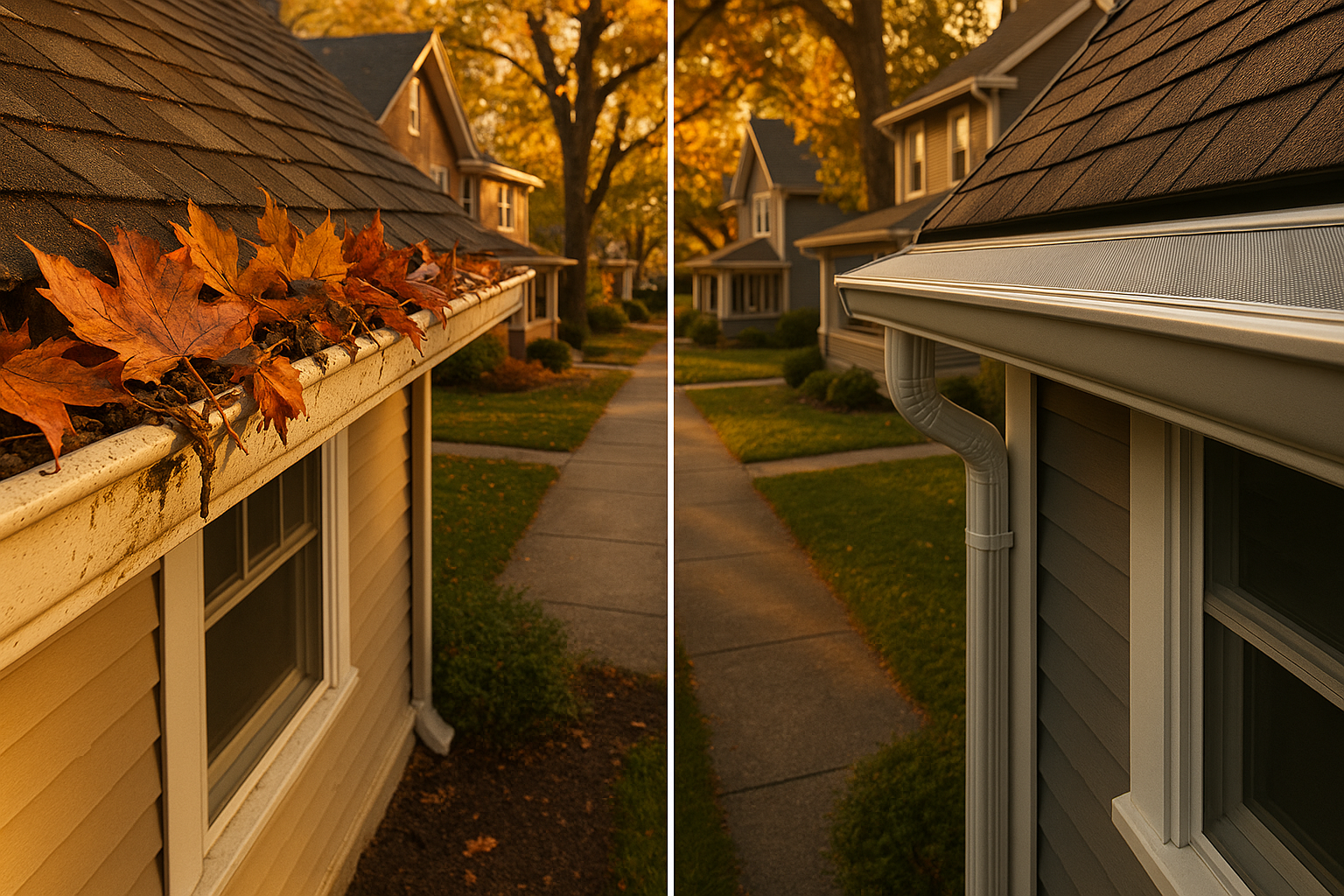
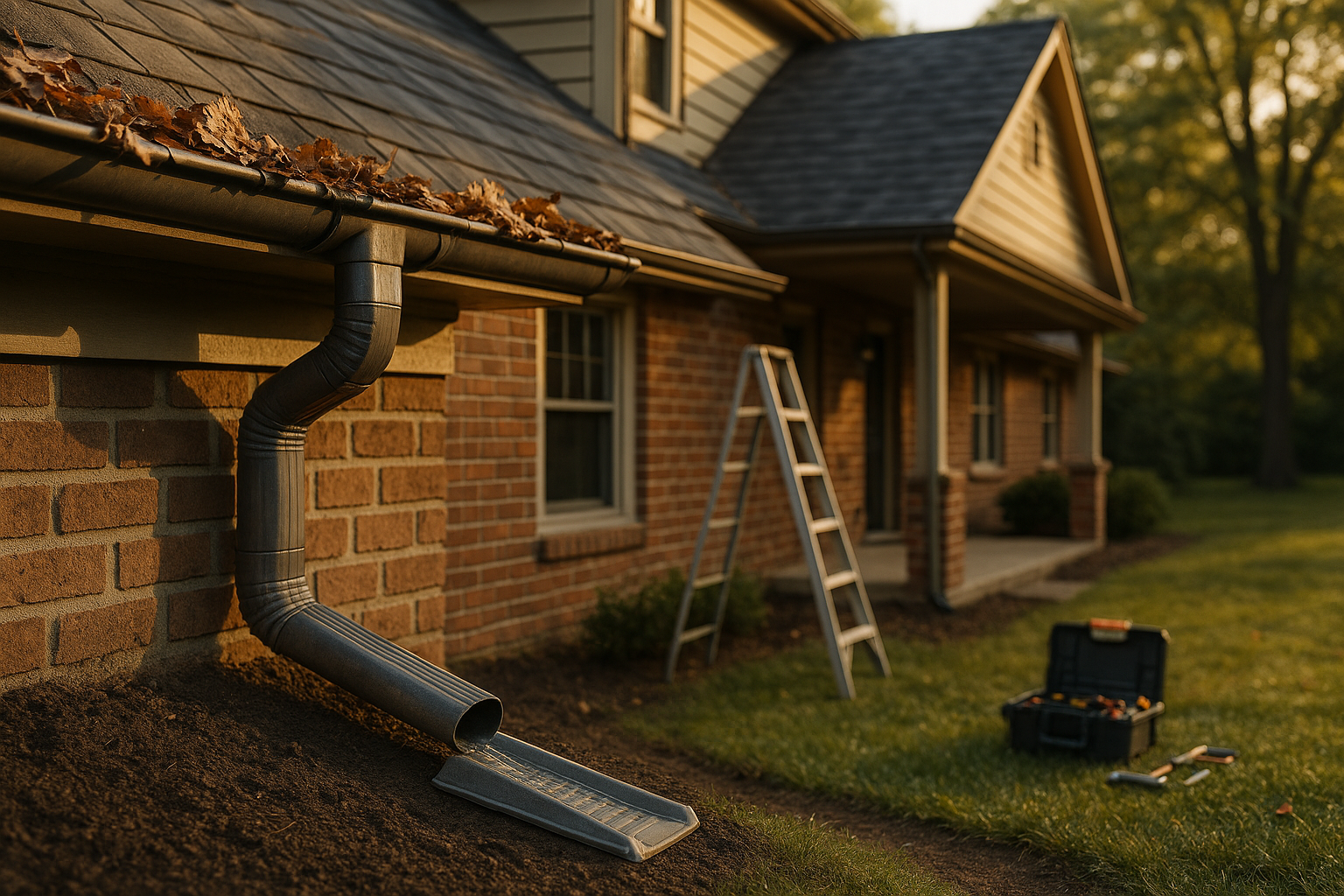
Indianapolis gets enough rain that water management is priority one. If you only do one thing from this list, make it gutters and downspouts. In neighborhoods like Meridian-Kessler or Irvington, big old trees drop leaves constantly. Clogged gutters back up, water spills over the edge, and before you know it, you've got basement seepage and rotted fascia. Clean them two to four times a year, depending on tree coverage. And check the downspouts: they should discharge at least four to six feet away from the foundation. A lot of older homes just let the water dump right at the corner. That's a recipe for trouble. We've installed downspout extensions on dozens of houses, and it's one of the simplest fixes that actually works.
While you're at it, look at the grading around your house. Soil should slope away from the foundation about six inches over the first ten feet. If it's flat or sloping toward the house, water pools against the wall. You can fix minor grading issues yourself with some topsoil and a tamper, but if the whole yard drains toward the house, you might need a pro to re-grade. Clay soil makes this worse because it drains so slowly. I've seen basement leaks that were 100% caused by bad grading — no sump pump can keep up if the ground outside is funneling water in.
Seal the outside like you mean it
Caulking and weatherstripping aren't just about drafts — they block moisture too. Gaps around window trim, door frames, and where siding meets brick are open invitations for wind-driven rain. In Indiana, we get plenty of wind with our rain, and that rain finds its way into crevices you'd never notice. I always tell folks to check the exterior caulk every spring and fall. If it's cracked, peeling, or missing, scrape it out and put in a good exterior-grade sealant.
Inside the house, weatherstripping around doors and windows does double duty: it stops drafts and keeps moist air from sneaking in during humid summers. If your door sticks in July but closes fine in winter, that's humidity swelling the wood. Check out our guide on sticking doors and what causes them for more on that. For a deeper dive on the differences between caulk and weatherstripping, we wrote a whole post that might help: Caulking vs. Weatherstripping: What's the Difference?
Look up: roof and attic issues
Roof leaks don't always come from missing shingles. Cracked vent boots, corroded flashing around chimneys or skylights, and loose pipe collars are common sources of water sneaking into your attic and running down walls. You might not see a stain until it's already soaked insulation and drywall. A quick check from the ground with binoculars can spot obvious gaps, but climbing up is better. We replace vent boots and reseal flashing all the time — it's a small repair that costs a fraction of what a full attic mold job would run.
Then there's the attic itself. Insulation and ventilation work together. If your attic doesn't vent properly, heat builds up in winter, snow melts and refreezes at the eaves, and you get ice dams. Those can tear off gutters and shingles. Air sealing gaps around attic penetrations (like recessed lights and plumbing stacks) and making sure soffit vents aren't blocked by insulation helps a ton. In older Indianapolis homes, especially those built before 1970, attic insulation is often thin or settled. Upgrading it isn't just about comfort — it's about protecting your roof deck and walls from moisture damage. Check out this post on winterizing your Indianapolis home for more seasonal tips.
Basements and crawl spaces need love too
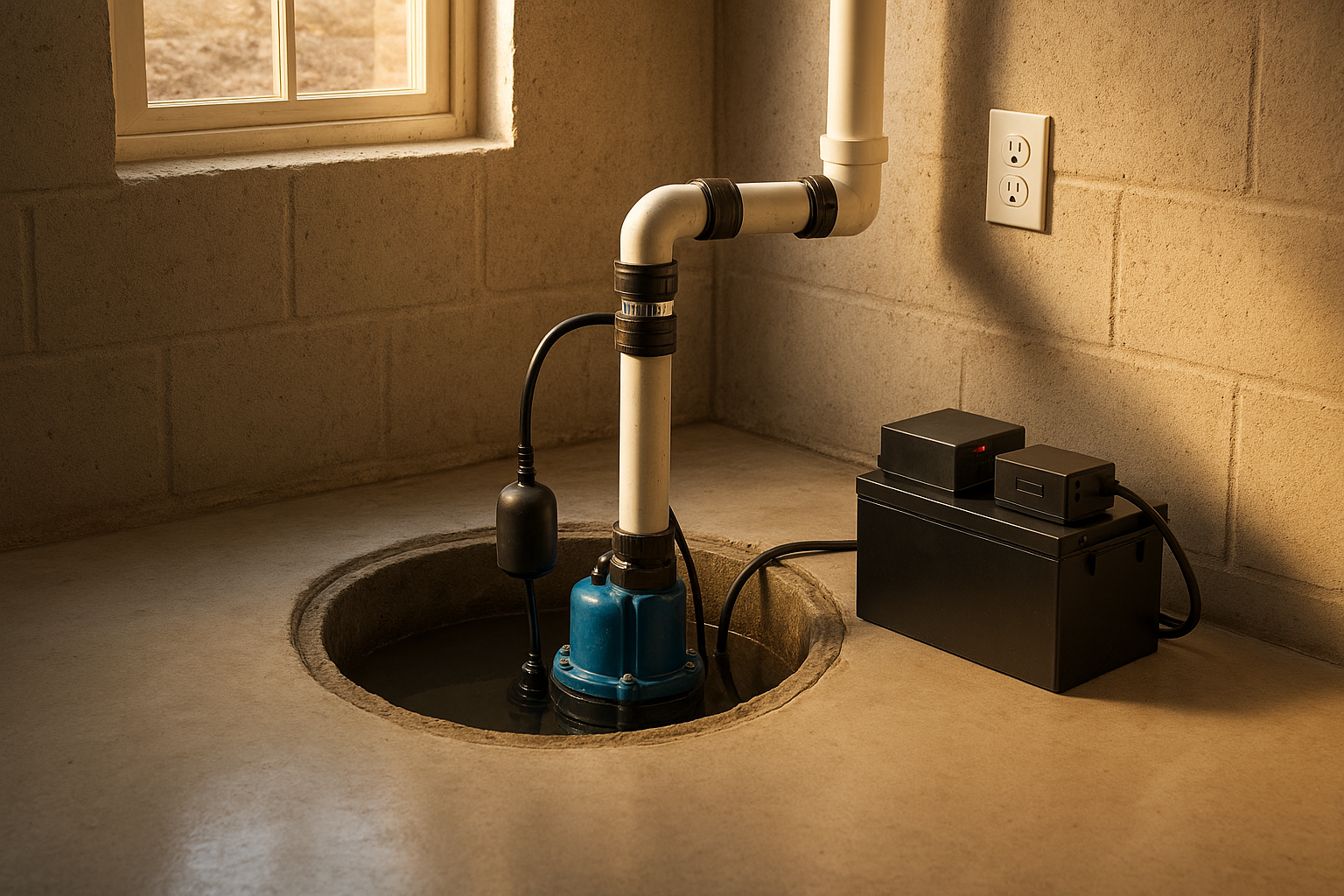
If you have a sump pump, test it. Pour a bucket of water in the pit and make sure the float activates and the pump kicks on. Then consider adding a battery backup. A storm can knock out power right when you need the pump most. I've heard too many stories of basements flooding because the power went out and the sump pump couldn't run. A battery backup isn't cheap, but it's way cheaper than replacing carpet, drywall, and whatever you stored in the basement.
Crawl spaces are another trouble spot. High humidity down there can rot floor joists and send musty air up into the house. A vapor barrier over the dirt floor and a dehumidifier can make a huge difference. Even just checking for standing water after a rain tells you a lot about drainage issues. If your crawl space smells like a damp cave, that's a sign to get it looked at.
Plumbing and electrical small upgrades
Washing machine hoses are one of those things nobody thinks about until one bursts. Old rubber hoses crack and leak, and they're under pressure all the time. Swap them for braided steel — it's a fifteen-minute job that prevents a flooded laundry room. While you're at it, make sure your shutoff valves work. If they're old and stuck, replace them. If you ever need to cut water quickly, you'll be glad they turn easily.
On the electrical side, GFCI outlets in kitchens, bathrooms, garages, and outdoors are a must. They trip when they sense a short, which can prevent electrical fires and shocks. Older homes sometimes have regular outlets in wet areas. Upgrading to GFCI is a small repair that gives you real peace of mind. I've seen old outlets with scorch marks — not something to ignore.
Seasonal tasks that pay off
Every fall, winterize your outdoor hose bibs. Shut off the interior valve to the outside spigot, drain the line, and leave the outside faucet open. Put an insulated cover on it. A frozen pipe can burst and flood the wall cavity — and you won't know until spring when you turn the water back on. That's a classic Indiana problem.
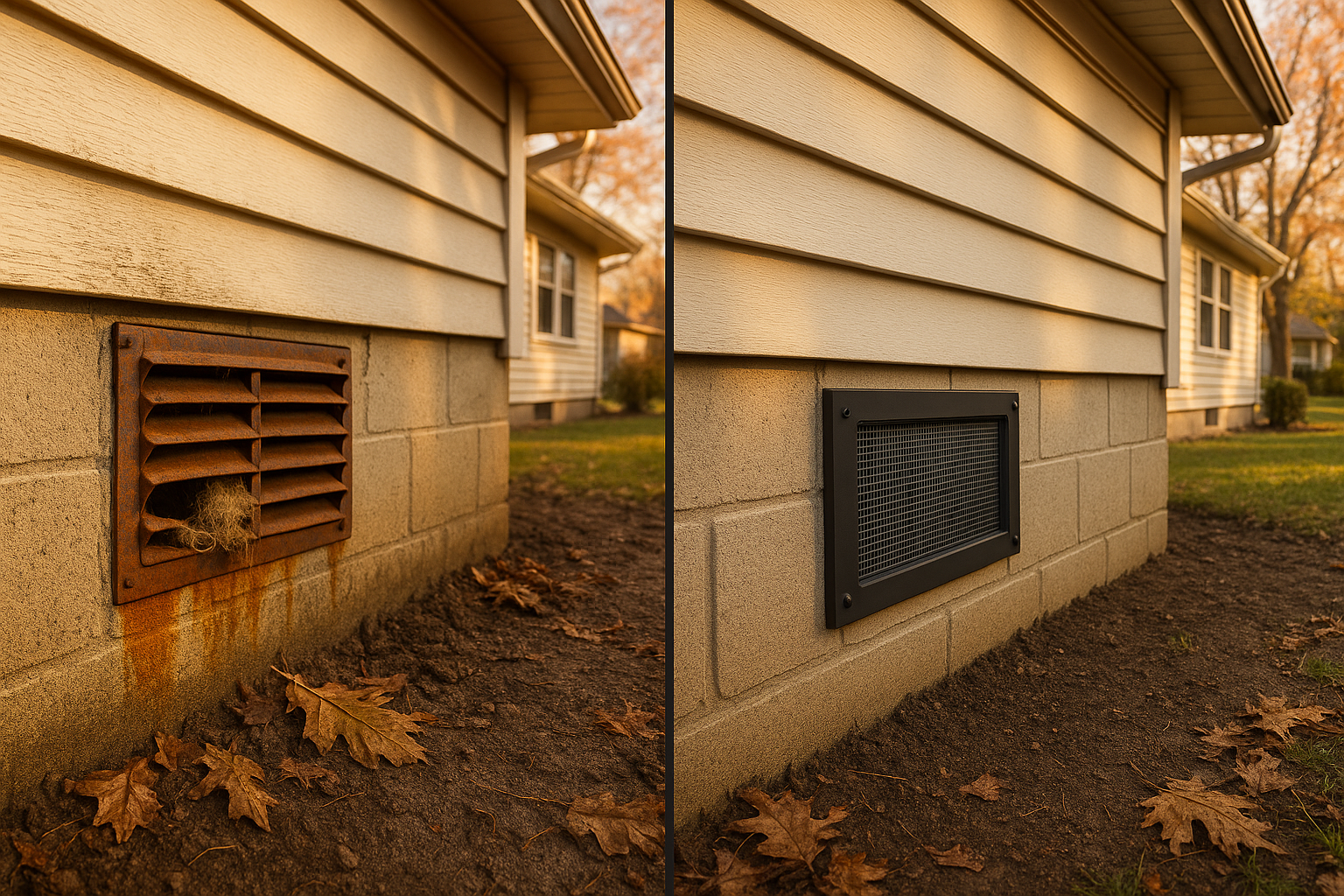
Dryer vents are another one. Lint buildup is a fire hazard, and if your vent line is long or runs through a wall, lint can trap moisture inside. I once pulled a bird's nest out of a dryer vent in Carmel — the dryer was taking forever and the house smelled musty. Clean it at least once a year, and make sure the duct is smooth metal, not that flimsy plastic accordion stuff.
Finally, if you have a deck, give it a once-over. Soft spots, cupped boards, and popped nails are signs of rot starting. Replacing a few boards and resealing the surface every couple years keeps water out of the wood and extends the deck's life. It's a simple weekend project for a lot of folks, but if you'd rather not crawl around with a sander, we're happy to do it.
When to DIY and when to call someone
I'm all for homeowners tackling what they can. Changing filters, testing a sump pump, cleaning gutters (if you're comfortable on a ladder), basic caulking — those are doable. But roofing details, electrical work, and plumbing upgrades? That's where a pro saves you time and frustration. And just as important, a good handyman can look at your whole house and tell you what actually matters. We don't upsell; we prioritize based on what we see. You can read more about when to call a handyman vs. a contractor in this post.
If you're in Indianapolis, Carmel, Fishers, Zionsville, Westfield, Noblesville, Greenwood, Brownsburg, Avon, Plainfield, or Lawrence, we'd love to walk through your house and give you a straight answer. No pressure, no scare tactics. Just an honest look at what's going on and a plan for the stuff that will actually prevent damage.
Get a preventive home check and a prioritized repair plan — we'll tell you what's urgent, what can wait, and what it'll cost. Small repairs now can save you from the kind of mess that ruins weekends and bank accounts later. Trust me, your future self will thank you.
Ready for a free estimate?
Send us the list, and we'll quote a flat price before we schedule — no pressure, no obligation.