Last March, a guy in Carmel texted me a photo of his basement rug floating. "It only happens when it rains hard," he said. "That's the problem," I told him. "Hard rain is exactly when you need things to work." That's the thing about basements—they don't flood when it's dry. They flood when the ground is saturated, the gutters are full, and the sump pump is overwhelmed. And in central Indiana, spring is when all three happen at once.
So how do you actually prevent basement flooding? Not with one magic fix. It's a combination of small, boring jobs that stop water before it gets close to your foundation. Let me walk you through what I've seen work on real houses in Indianapolis, Carmel, Fishers, Zionsville, and everywhere in between.
First, Figure Out Where the Water's Coming From
Not all basement water is the same. If puddles show up right after a rainstorm, that's surface water—runoff from your roof or yard that's not being directed away. If you notice seepage days after heavy rain, that's groundwater pressure, or hydrostatic pressure, pushing against your foundation. And if water comes up through floor drains or toilets, that's a sewer backup. You need to know which one you're dealing with before you spend a dime.
In older Indianapolis neighborhoods like Broad Ripple or Irvington, many basements have hairline cracks from decades of freeze-thaw cycles. The clay soil around here expands when wet and holds water forever. It doesn't drain, so it sits against your foundation and finds any weakness. Flat lots—which we have a ton of in Greenwood and Plainfield—make it worse because water doesn't naturally run away. That's why you often see water after a long soaking rain rather than a quick downpour.
Gutters and Downspouts: Cheap Insurance
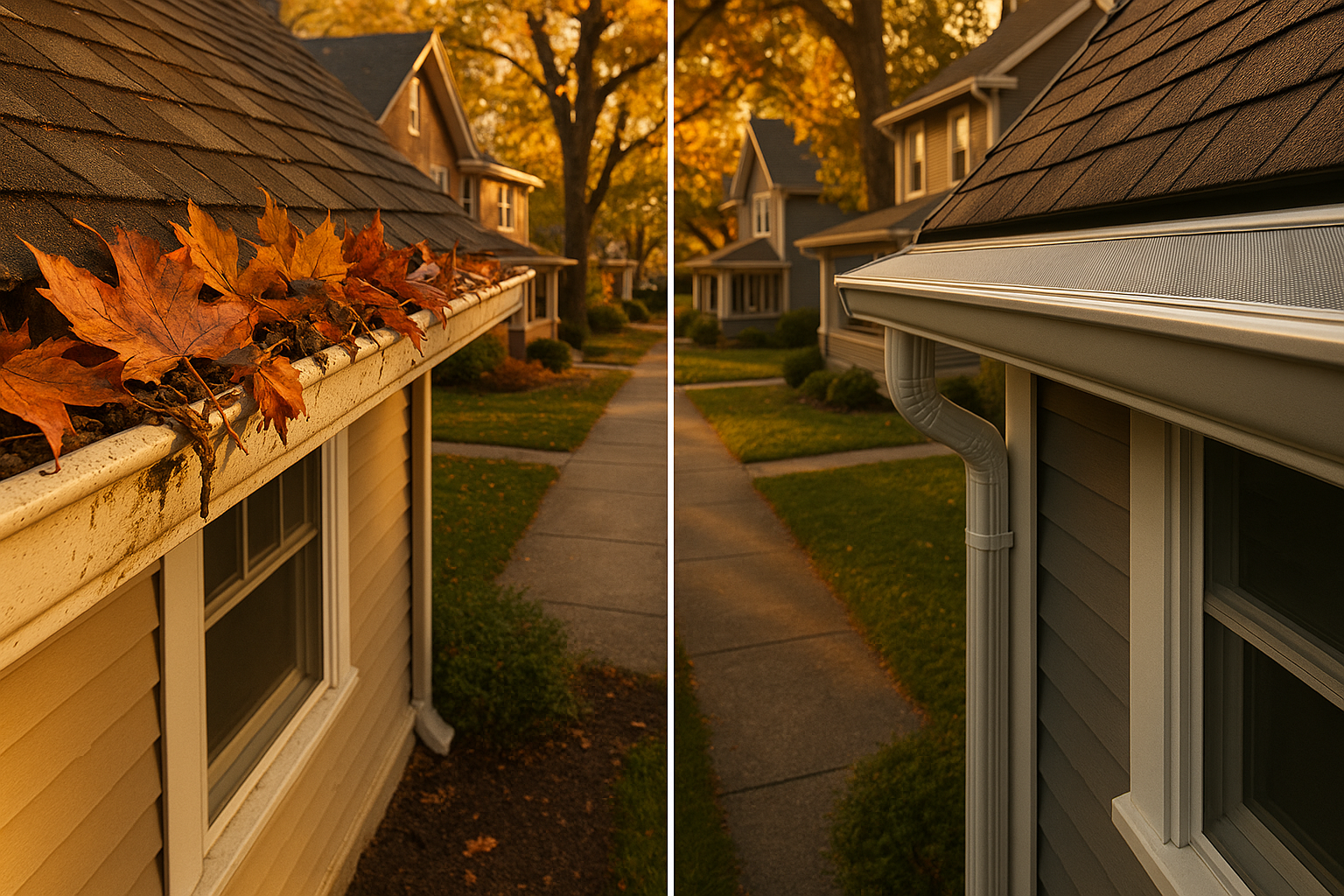
You'd be amazed how many basement floods start with a clogged gutter. Leaves from all those big oaks in Fishers pile up, then the next storm overflows the gutter and dumps water right at the base of your wall. Clean your gutters at least twice a year, and after any big storm check for blockages. Repair any leaks or sagging sections.
Then look at your downspouts. If they stop right at the foundation, you're basically pouring water into your basement. Add extensions so water discharges at least 6 feet away—10 feet is better if your lot allows. One homeowner in Zionsville had a downspout that dumped into a flower bed beside the house. He rerouted it with a flexible extension to a grassy area, and the basement seepage stopped. That's the kind of fix that costs less than a nice dinner.
Need more detail? I wrote a whole post on gutters, downspouts, and basement flooding.
Your Sump Pump is a Workhorse, Not a Set-It-and-Forget-It
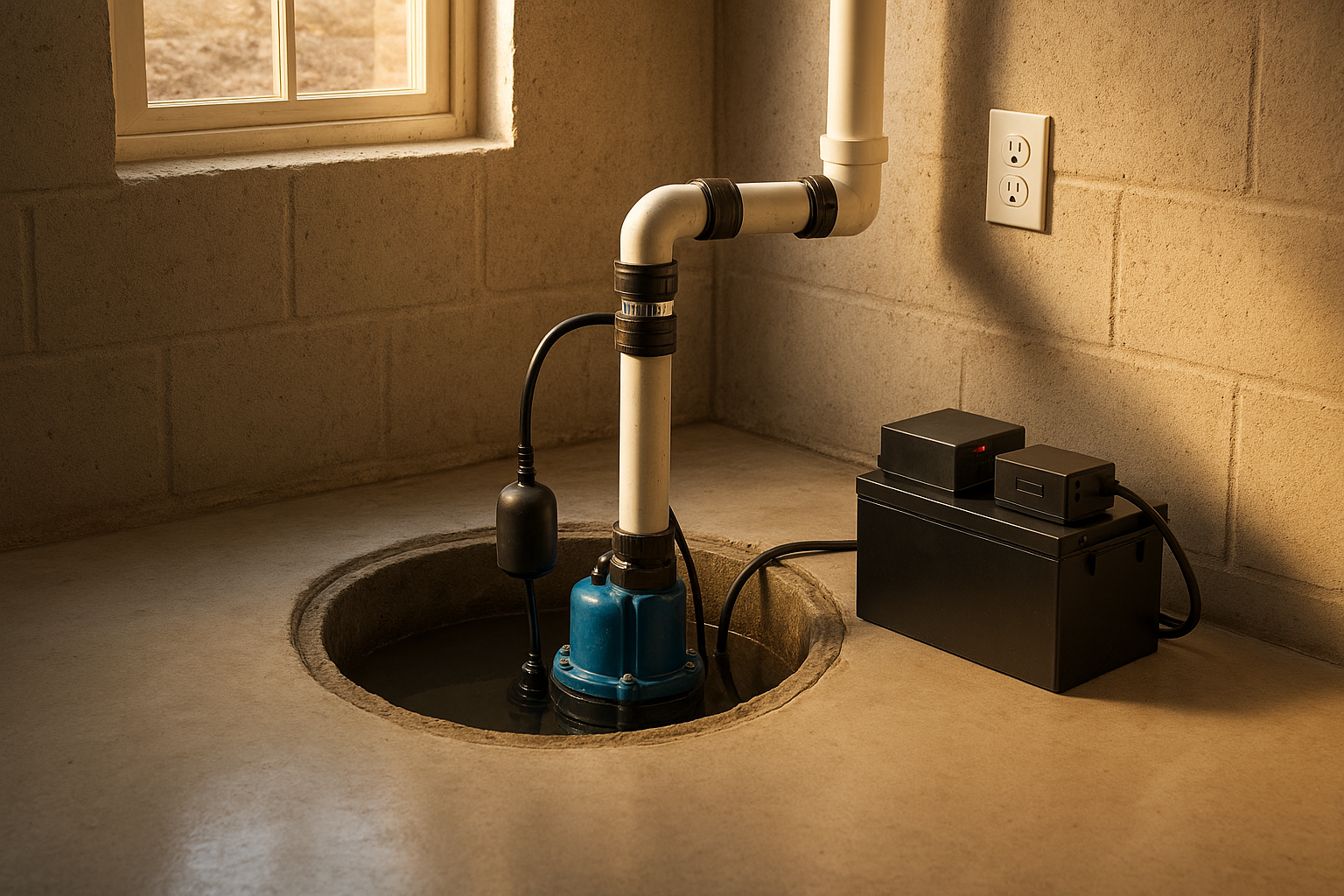
Most Indianapolis homes with basements have a sump pump. But many homeowners never test it until there's water on the floor. Here's your sump pump maintenance checklist: run it monthly (pour water in the pit to make sure it kicks on), clear out any debris, and check the discharge line for blockages. The check valve—that little flapper that stops water from flowing back into the pit—wears out. Replace it if it's cracked or stuck open.
Then add a high-water alarm. It chirps when the water level in the pit gets too high, usually because the pump failed or couldn't keep up. That alarm has saved more basements than I can count.
And yes, you need a battery backup for your sump pump. Storms knock out power all the time in Avon and Brownsburg, and a sump pump without electricity is just a plastic bucket in a hole. A water-powered backup is another option if you're on city water, but battery systems are easier for most homes. If you're not comfortable wiring one, that's where an electrician or a skilled handyman comes in.
Window Wells and Yard Grading: Stop Water Before It Reaches the Foundation
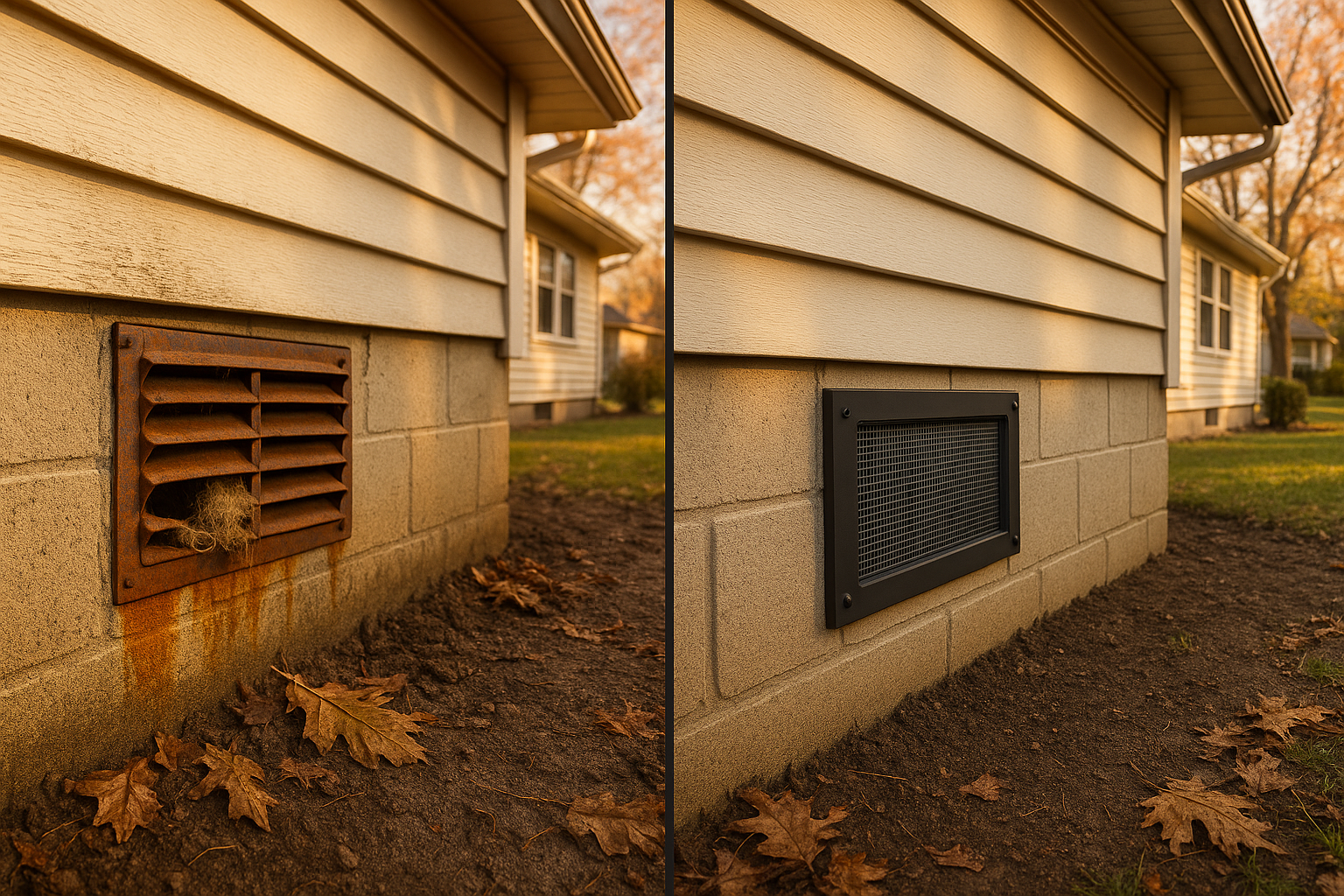
Window wells are sneaky. They fill up with leaves and dirt, then the next spring rain turns them into a small pond against your basement window. Clear them out, add a few inches of gravel for drainage, and make sure the well liner is still intact. If water pools at the bottom, you might need to dig a deeper sump inside the well or tie it into an exterior drain. And get clear covers that fit tight—they keep rain, snow, and critters out while still letting light in.
Grading is even more important. Walk around your house after a rain and look for spots where water heads toward the foundation instead of away. The soil should slope away from the house at least 6 inches over the first 10 feet. In flat yards, that's hard. Sometimes you need to build a shallow swale—a gentle ditch that carries water to a safe spot—or add soil near the foundation to create positive slope. Just don't pile soil against the siding. This is one of those jobs that sounds simple but gets tricky with heavy clay. For more on that, check out my post on yard grading to move water away from your foundation.
When Water Still Finds a Way In: Sealing and Interior Fixes
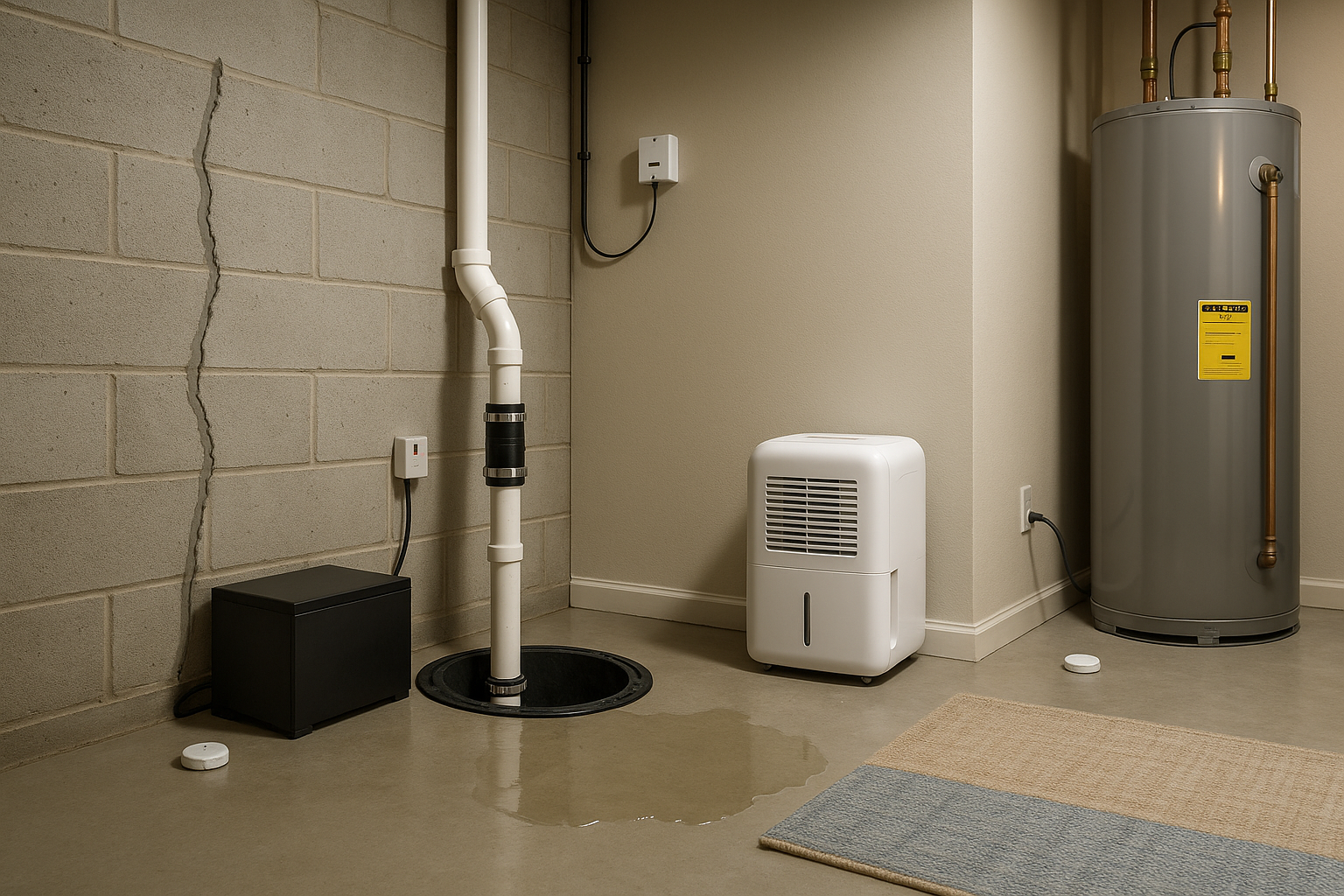
Even after all that, some homes still get a little seepage. Small cracks in the foundation can be sealed with polyurethane injection—that's a job for someone with experience because it's not just caulk. Interior waterproofing paint might help with minor dampness, but it won't stop active leaks under pressure. I've seen too many homeowners paint their walls with "waterproofing" paint and then watch it blister off a month later when the water table rises.
Inside, control humidity with a dehumidifier. A damp basement feels gross and invites mold, even if you never see standing water. And put water leak sensors near the sump pit, water heater, and laundry area. They're cheap, and they'll wake you up if something starts leaking at 2 a.m. If water does get in, act fast—dry out within 48 hours to avoid drywall and wood damage. Then you're looking at repairs to baseboards, trim, or potentially subfloor, which I cover in other posts.
Power Outages and Backflow: The Scary Stuff
Sewer backups are rare but nasty. If water comes up through floor drains after heavy rain, you might need a backwater valve installed on your sewer line. That's a plumber's job, and depending on your municipality, you might need a permit. Indianapolis and most suburbs require keeping stormwater on your own property, so don't pipe your sump discharge onto the sidewalk or a neighbor's yard. That's both a code issue and a good way to create a feud.
Also think about winter. Sump discharge lines freeze in January, and then the pump pushes water out, it hits ice, and backs up into the house. Install a freeze-proof discharge with an ice guard or vent. Then test it in February when everything is frozen solid.
A Simple Spring Checklist for Your Basement
Here's what I tell every homeowner who asks how to prevent basement flooding before the heavy spring rains hit:
- Clean gutters and extend downspouts at least 6 feet from the foundation.
- Walk your yard after a rain and look for ponding near the foundation. Fix grading or add a swale.
- Clear window wells, add gravel, and install covers.
- Test your sump pump monthly. Check the check valve. Add a battery backup and high-water alarm.
- Seal any visible foundation cracks from the inside.
- Put water leak sensors in the basement and check your dehumidifier.
- Have a plumber inspect your floor drains and sewer line if you've ever had backup.
Most of these you can do yourself in a weekend. Some you'll want a pro for—like grading, exterior drainage, or sump pump replacement. That's where HandyPros comes in. We handle gutter and downspout work, window well fixes, sump pump service and battery backups, interior crack sealing, and even the drywall and trim repair after water damage. No upsells, just a prioritized plan that respects your budget and your time.
If you've already had water in your basement or you're worried about the next big storm, let's talk. We serve Indianapolis and all the surrounding cities—Carmel, Fishers, Zionsville, Westfield, Noblesville, Greenwood, Brownsburg, Avon, Plainfield, Lawrence—and we're happy to come out, take a look, and give you a straight answer. You can get a free quote here.
Ready for a free estimate?
Send us the list, and we'll quote a flat price before we schedule — no pressure, no obligation.