If you live in old Broad Ripple or a newer subdivision in Westfield, you've probably seen it: after a heavy spring rain, a line of water sitting against your foundation like it's waiting to get indoors. My neighbor in Carmel spent weeks dealing with a damp smell in his basement, only to find out the dirt near his house had settled into a reverse slope. The fix wasn't magic—it was simple grading around foundation. And it saved his drywall from a much bigger repair.
What Does Grading Around Foundation Even Mean?
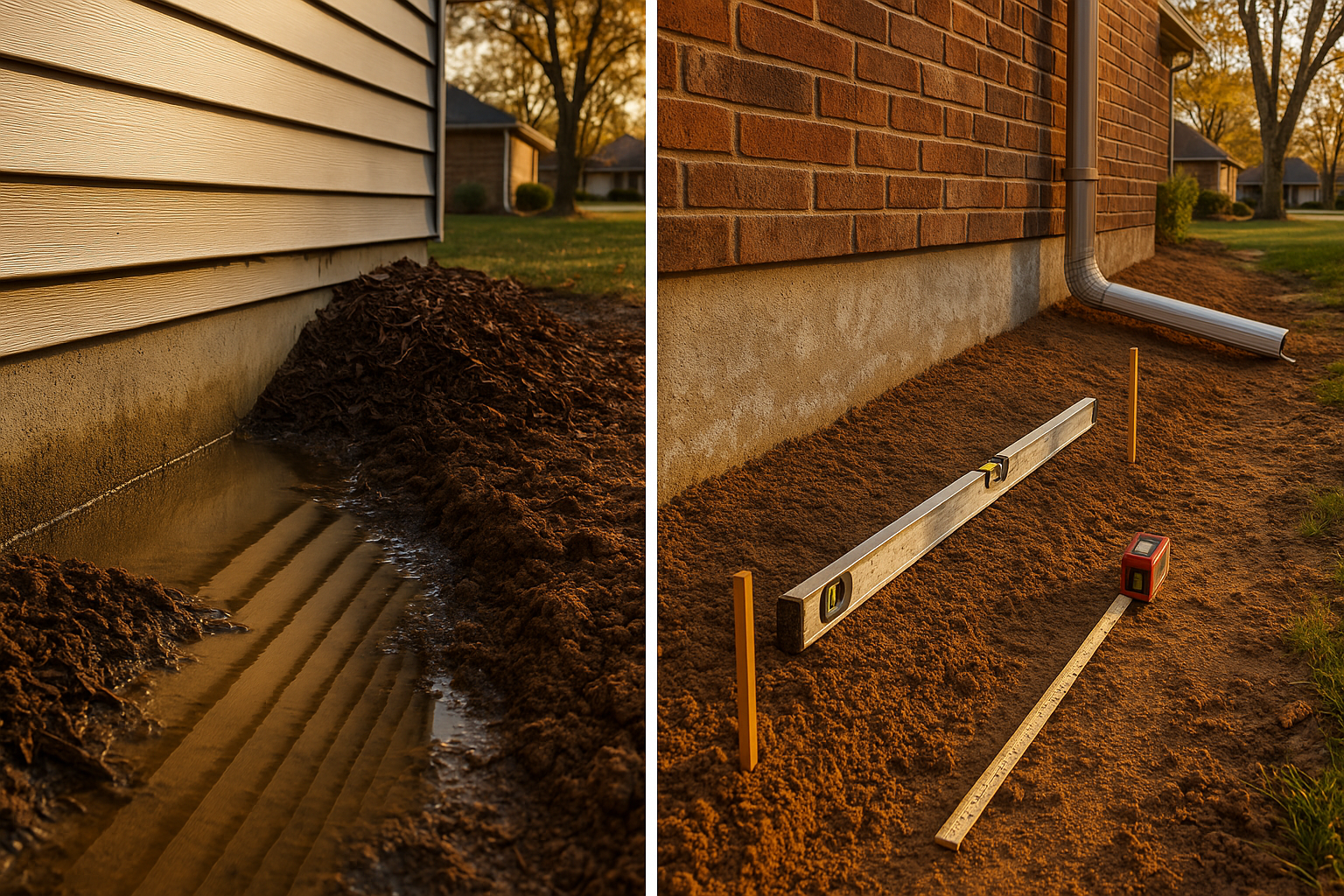
Grading is just shaping the dirt so surface water flows away from your house. That's it. You want the soil next to your foundation to be a couple inches higher than the soil 10 feet out. Indianapolis code and common sense both point to about a 5 to 6 inch drop over that first 10 feet. That's a 2% slope. Doesn't sound like much, but water will follow it every time.
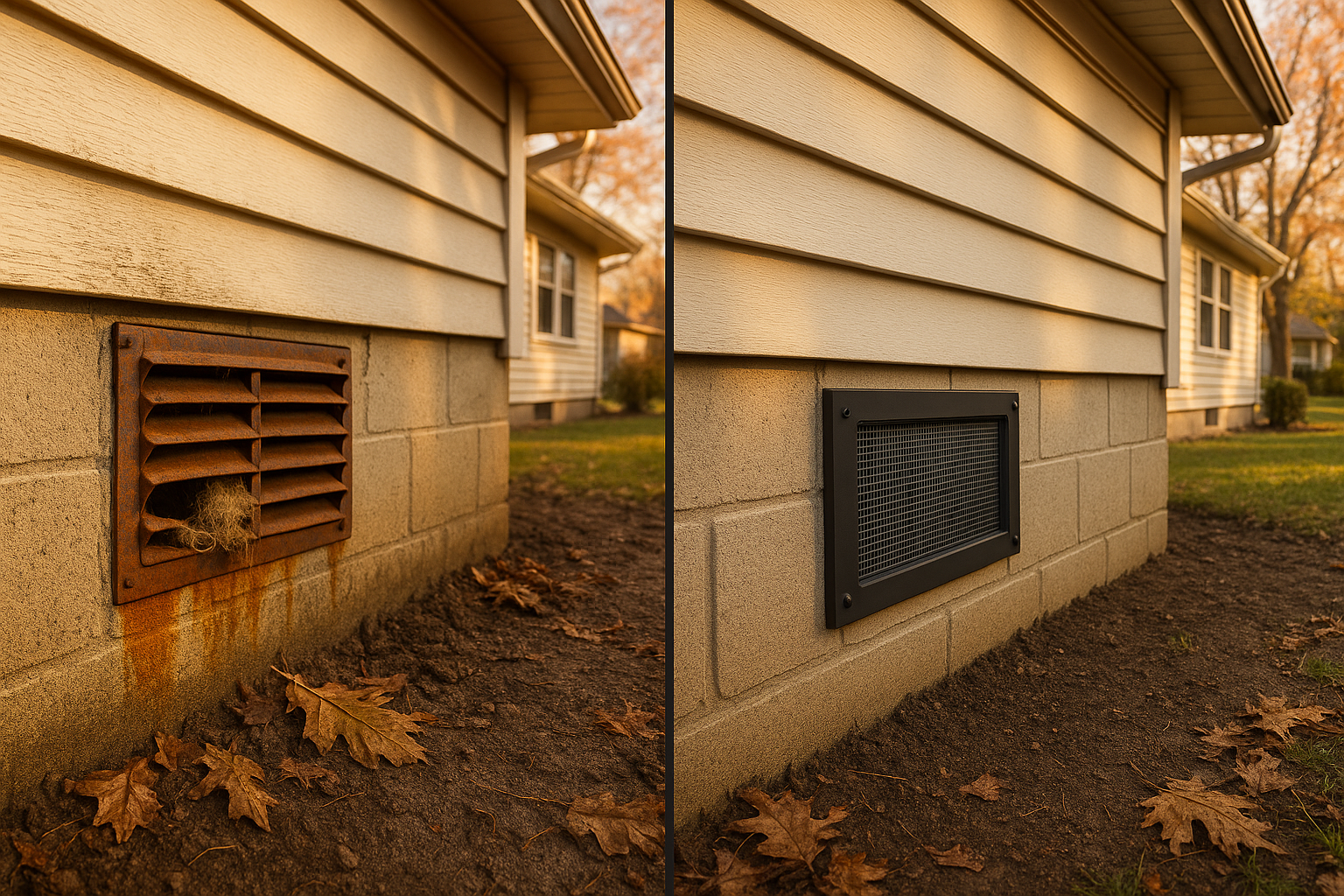
Proper grading around foundation means the finished dirt sits 6 to 8 inches below your siding or brick ledge. If you pile soil too high, you cover weep holes and invite termites. Keep mulch back from the wall too. A lot of folks think more mulch is better, but a mound of wet wood chips against your foundation is like a sponge stuck to your house.
How to Spot a Negative Grade Before Your Basement Tells You
Negative grade is when the ground slopes toward the house. Here's what it looks like: puddles near the foundation after a moderate rain, mulch lines washed out, soil pulling away from the wall, or a musty smell in the basement. Sometimes you'll see a white chalky line on the stem wall—that's water evaporating and leaving minerals behind.
I was at a house in Greenwood last fall where the homeowner said, 'Water only shows up in big storms, so it's probably not grading.' But it was. The downspout was dumping right at the corner, and the soil had settled over 20 years. Big storms just overwhelm the negative slope faster. Small storms might not show, but the water still sits there, slowly working on your foundation.
Indianapolis Clay and Why Your Yard Settles
Central Indiana sits on a lot of glacial clay. Clay holds water like a sponge and then shrinks when it dries out. Freeze-thaw cycles in winter heave the soil, then spring settles it again. Over time, the grade around your house flattens or reverses. That's why you might have had great drainage 10 years ago and now see water pooling. In fact, grading around foundation is a constant battle in Indianapolis.
When we fix grading, we don't just dump topsoil. We build the slope with compacted clay fill, put it down in lifts of 2 to 3 inches, and pack each layer. Then we cap it with 3 to 4 inches of screened topsoil so grass can grow. If you skip compaction, the first heavy rain will just wash your new dirt away. Or it'll settle into the same old negative slope by next year.
Gutters and Downspouts: Your First Line of Defense
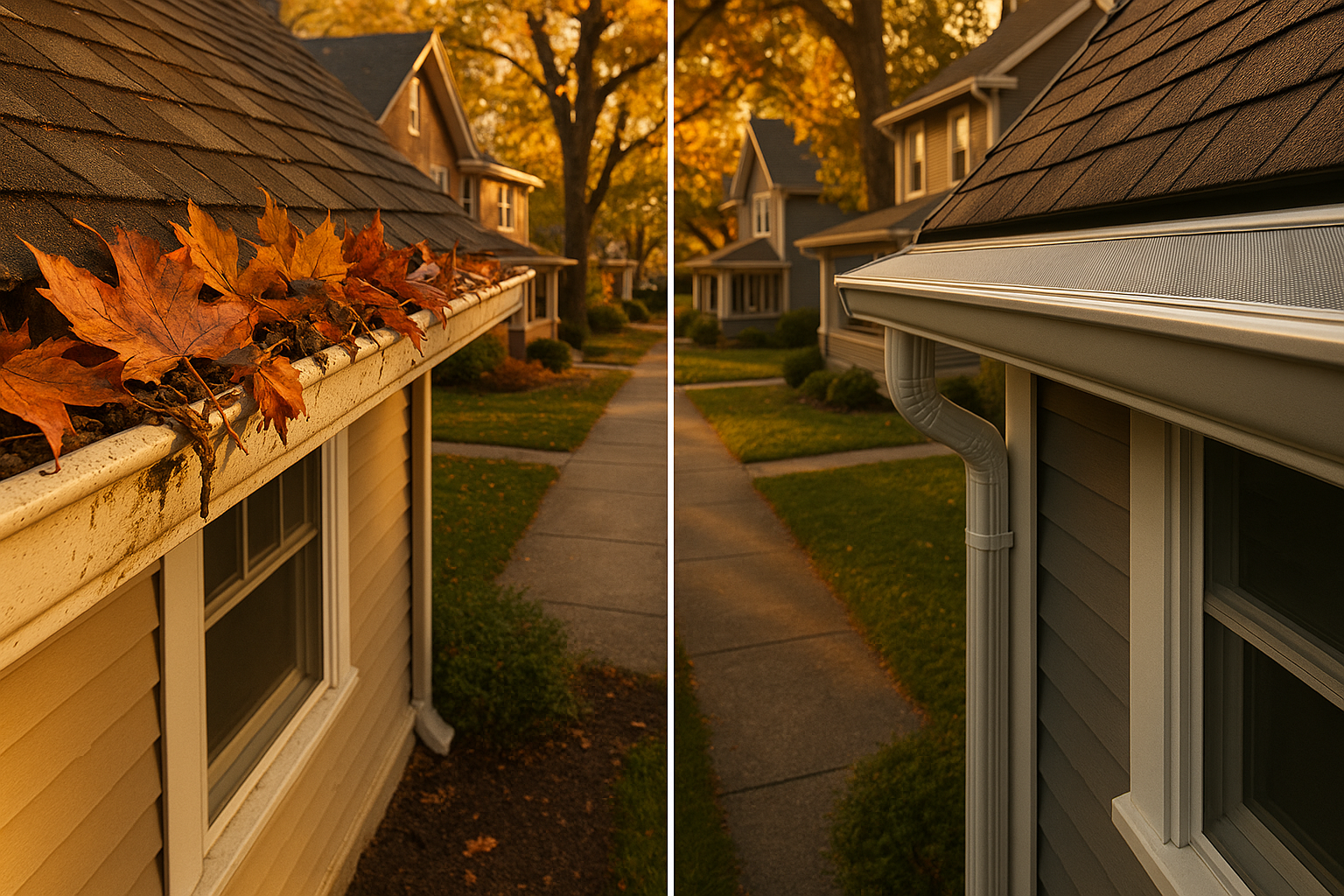
Even with perfect grade, water from your roof can ruin it in one storm. Every downspout needs to extend at least 10 feet away from the house. Those little splash blocks that sit right at the corner? They're better than nothing, but they don't move water far enough. A 10-foot downspout extension—or better yet, burial to daylight or a solid pipe to a swale—makes a huge difference.
We wrote a whole post on gutters and downspouts for Indianapolis homes, but here's the short version: clean them out every fall. Mature maples and oaks drop enough leaves to clog a gutter in a week. When gutters overflow, water runs straight down next to your foundation. And if your downspouts are already connected to buried lines, make sure they're not clogged or broken. That's a hidden cause of wet basements. Check out our guide to gutters and downspouts here.
When Regrading Alone Isn't Enough: Swales and Drains
Sometimes the lot just doesn't give you enough slope. Maybe your house sits low, or you're in a flat subdivision in Avon or Plainfield. If you can't get that 5 to 6 inch drop over 10 feet, you pair grading with a swale or a French drain. A swale is a shallow ditch, usually grassy, that channels water along a property line to a safe outlet. A French drain is a buried pipe with gravel that picks up groundwater and moves it away. They work differently, but both can solve what grading alone can't.
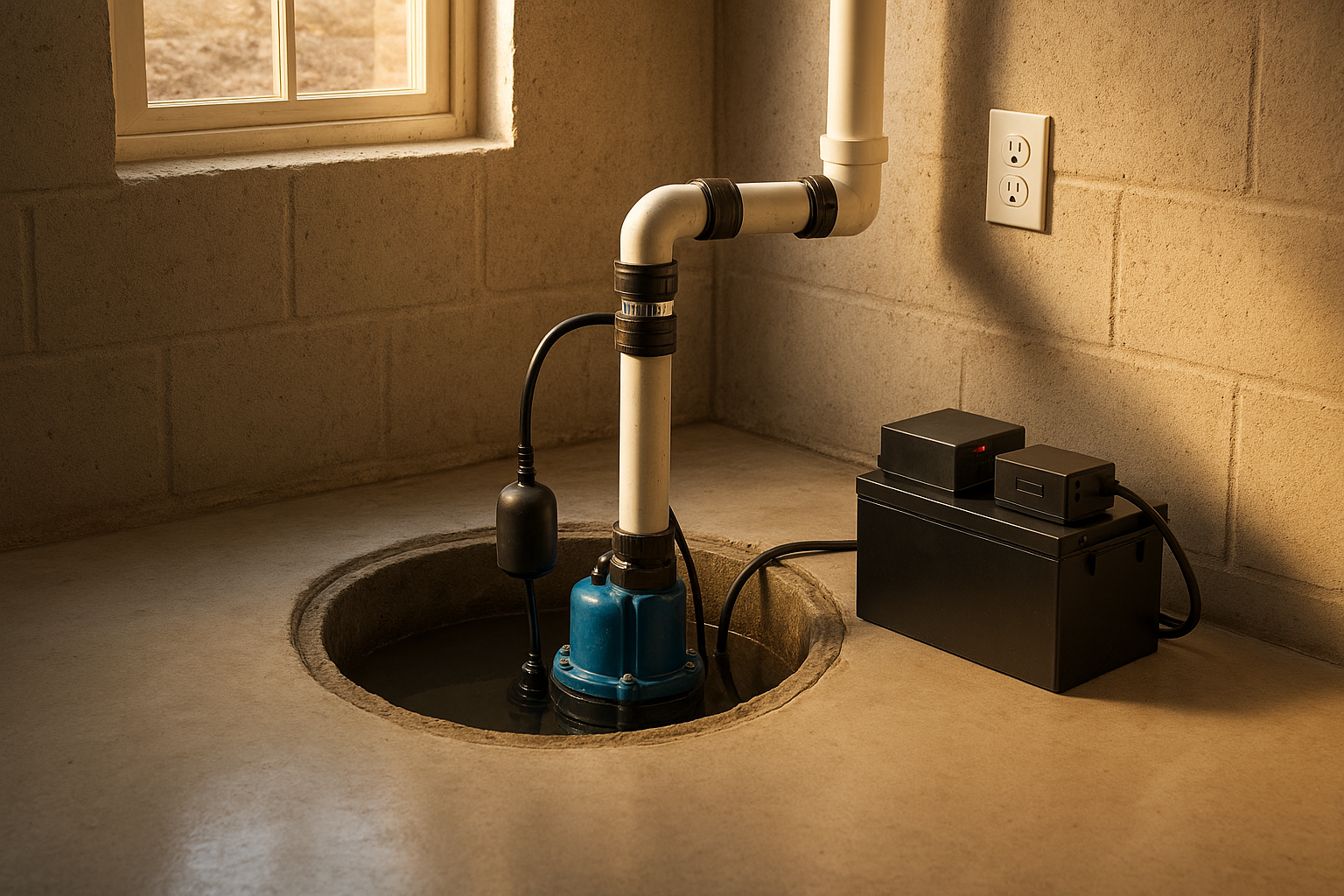
If you've got a basement that's already taking on water, regrading might be step one, but you may also need to look at your sump pump discharge. In Indianapolis, sump pumps often daylight right next to the foundation—bad idea. Extend that discharge at least 10 feet, and make sure it doesn't ice up on a walkway in winter. For serious seepage, a French drain along the footing might be the real fix. Here's what a French drain installation costs in Indianapolis. If water already got inside, start with this post on what to do first after a basement flood. And if you need drywall or other repairs, we can help with water damage repair too.
Regrading Costs and What to Expect
I won't give you hard numbers because every yard is different. Cost depends on how many feet of foundation need work, how much soil has to come in, whether you're removing old flower beds or hardscape, and whether you want sod or seed. Hauling clay in and out of a fenced backyard costs more than a clear side yard. Site access matters.
Best time to do grading is spring or fall. Summer works too, but new seed struggles in July heat. Winter grading is a bad idea because you can't compact frozen or saturated soil. After the first heavy rain, expect a little settling. A good contractor will come back for a light touch-up.
Before we dig, we call Indiana 811. You should too, but we handle it for you. Most minor regrading doesn't need a permit, but if you're in a subdivision with an HOA, check the rules. Marion County drainage easements mean you can't just push water onto your neighbor's lot.
Year-Round Maintenance for Dry Basements
Once your grade is set, don't forget about it. Every spring, take a walk around your house with a level or just your eyeballs. Look for soil that's settled, mulch against the foundation, or downspouts that have popped off. Top-dress low spots with a little topsoil. Clean gutters after leaf drop. If you have a swale, keep it clear of debris and don't park a shed on it.
If you want an expert set of eyes, give us a call. We do laser-verified grading assessments—no guesswork, just a clear plan and a written quote. Whether you're in Fishers, Noblesville, or right downtown Indy, we'll come out and tell you exactly what's going on. No pressure, just practical advice.
Ready to keep water where it belongs? Book your grading and drainage assessment with HandyPros today. We'll walk your property, measure the slopes, and give you a plan that fits your yard and your budget. Schedule your on-site grading assessment here.
Ready for a free estimate?
Send us the list, and we'll quote a flat price before we schedule — no pressure, no obligation.