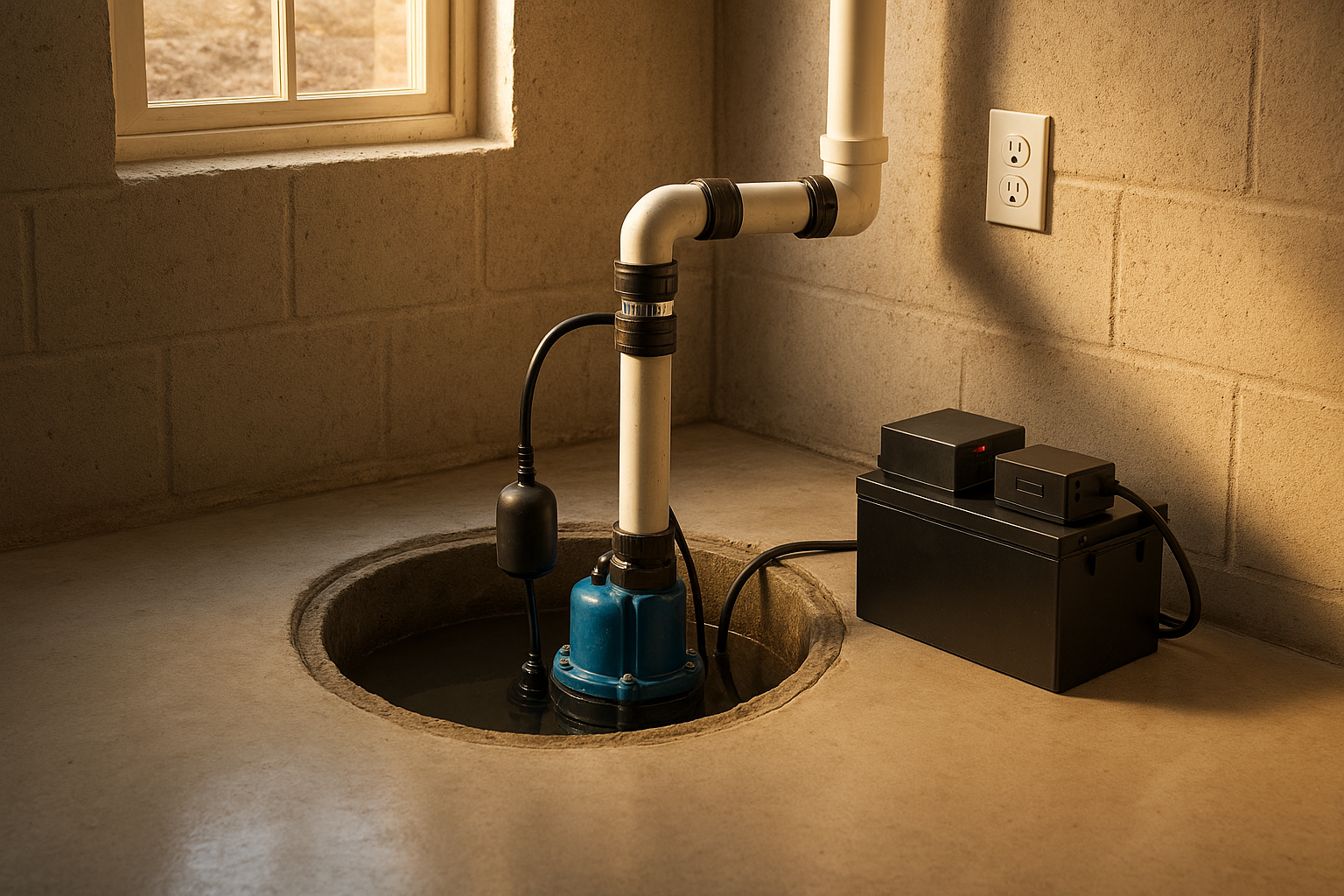
Last spring, a landlord I know in Broad Ripple got a 2 a.m. call from a tenant. Water was coming up through the basement floor drain. The sump pump had died. No one had tested it in years. That little failure cost him over $4,000 in cleanup and new flooring. He called us the next week to start a real preventive maintenance schedule.
If you own a few rentals around Indianapolis — or Carmel, Fishers, or Greenwood — you’ve probably had a similar scare. Or you’re one clogged gutter away from one. The truth is, most emergency calls come from small stuff that got ignored. A stuck float switch. A furnace filter that hadn’t been changed since the last tenant moved in. A downspout that dumps water right next to the foundation.
That’s why a preventive maintenance plan for rental property isn’t busywork. It’s the difference between a calm year and a string of 2 a.m. panics. And it doesn’t have to be complicated. Just a seasonal checklist you actually follow.
Why Preventive Maintenance Matters
Here’s the thing small landlords forget: waiting until something breaks is always more expensive. A $150 furnace tune-up in October beats a $4,000 emergency replacement in February. A $200 gutter cleaning in November beats a $6,000 foundation repair from water pouring against the sill. Preventive maintenance on your rental property keeps systems running longer. It also keeps tenants happy. Tenants who feel cared for renew leases. They call you before a dripping faucet becomes a flooded bathroom. That’s real money saved.
I used to think inspections were a waste of time. Then a property manager in Zionsville told me how a simple annual walkthrough caught a water heater anode rod that was completely gone. A $40 part saved a $1,200 water heater. That’s the whole game.
Indianapolis Weather: What You're Up Against
Central Indiana doesn’t do gentle weather. We get single-digit winters and humid summers. That swing stresses everything. Caulk cracks. Weatherstripping shrinks. Siding joints open up. And our clay soil? It expands when wet and shrinks when dry. That movement can crack foundations and shift decks. Freeze-thaw cycles in winter turn tiny concrete cracks into big spalls. Hard water from the city leaves scale in water heaters and fixtures. Plus, our big maples and sycamores drop tons of leaves every fall, clogging gutters fast.
In older neighborhoods like Broad Ripple, Irvington, and Meridian-Kessler, houses need extra attention on exterior caulking and paint. Crawlspaces in Speedway and the southside hold moisture and pests if not checked. Spring and summer storms roll through with wind and hail. Loose shingles and fence posts get worse. A quick post-storm check can catch damage before it becomes a leak.
Spring and Summer: The Outdoor Season
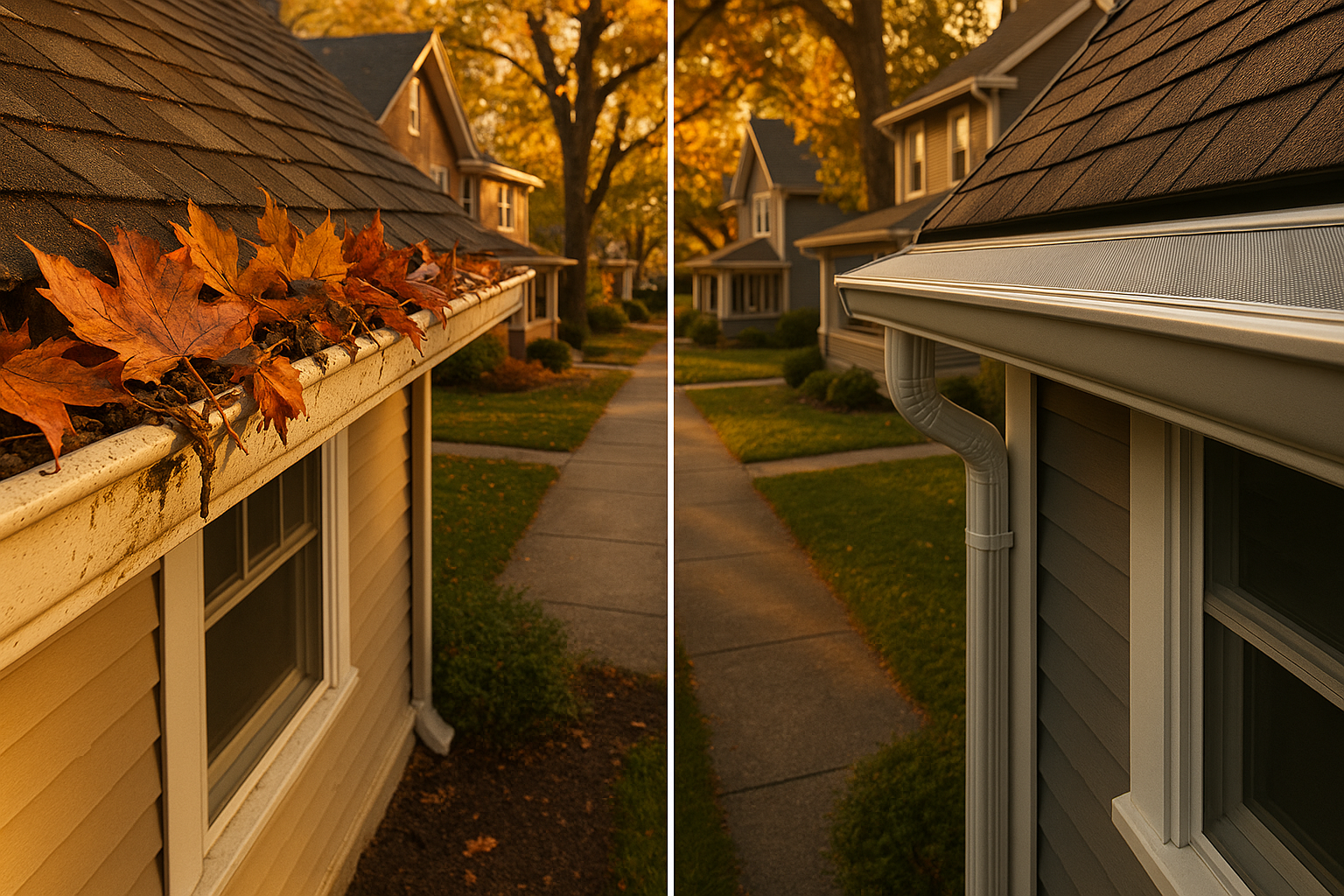
Spring in Indianapolis means two things: rain and more rain. Before the first big storm, get eyes on the outside. Walk around each property. Look up at the roofline. Binoculars help. Check for missing or lifted shingles, gaps in flashing, and clogged gutter outlets. Clean gutters and make sure downspouts extend at least 6 to 10 feet away from the foundation. The clay soil here can’t handle extra water. If the ground slopes toward the house, you need to regrade or add splash blocks. We’ve seen basements in Lawrence and Greenwood flood because a downspout dumped water right at the corner.
While you’re out there, check decks and fences. Freeze-thaw cycles loosen deck boards and railing posts. A wobbly rail is a lawsuit waiting. Tighten fasteners, replace cracked boards, and reseal if water no longer beads. That’s where our deck board replacement guide can help. And if a storm tore through, check fence posts for lean. A quick fix now beats a full replacement after the next big wind. Summer is for caulking and paint touch-up. The sun bakes the south and west sides. Caulk cracks around windows, doors, and utility penetrations. A $10 tube of silicone stops air leaks and water intrusion. Touch up peeling paint before wood starts to rot. In older Indy neighborhoods, this is a yearly thing. If you skip it, you’ll be replacing trim boards.
Fall and Winter: Freeze-Proofing the Inside
Fall is your last chance before the cold hits. Schedule a furnace tune-up. Change the filter if you haven’t. For rentals, set a clear filter schedule: every 30–90 days depending on pets and allergies. We suggest landlords supply filters to tenants. It removes the excuse. While you’re in the mechanical room, flush the water heater and check the anode rod. Hard water in Indianapolis eats those rods fast. A $30 rod swap can add years to a tank.
Before the first hard freeze, walk the inside. Check under sinks for slow leaks. Re-caulk tubs and showers where grout is missing. Test the sump pump. Pour a bucket of water in the pit and make sure it kicks on. If you have a backup, test that too. In winter, ice dams can form on roofs if gutters are full and attic heat leaks. Clear gutters in late fall and look for frost patterns. And don’t forget smoke and CO detectors. Indiana law requires them on every level and near sleeping areas. Test them monthly, change batteries twice a year.
Let tenants know you’re coming. Give them a simple checklist for reporting issues between visits. It makes them feel part of the plan, not bothered by it. Check out our post on tenant damage vs normal wear in Indiana to know what to charge back.
Water, Pests, and Life-Safety Year-Round
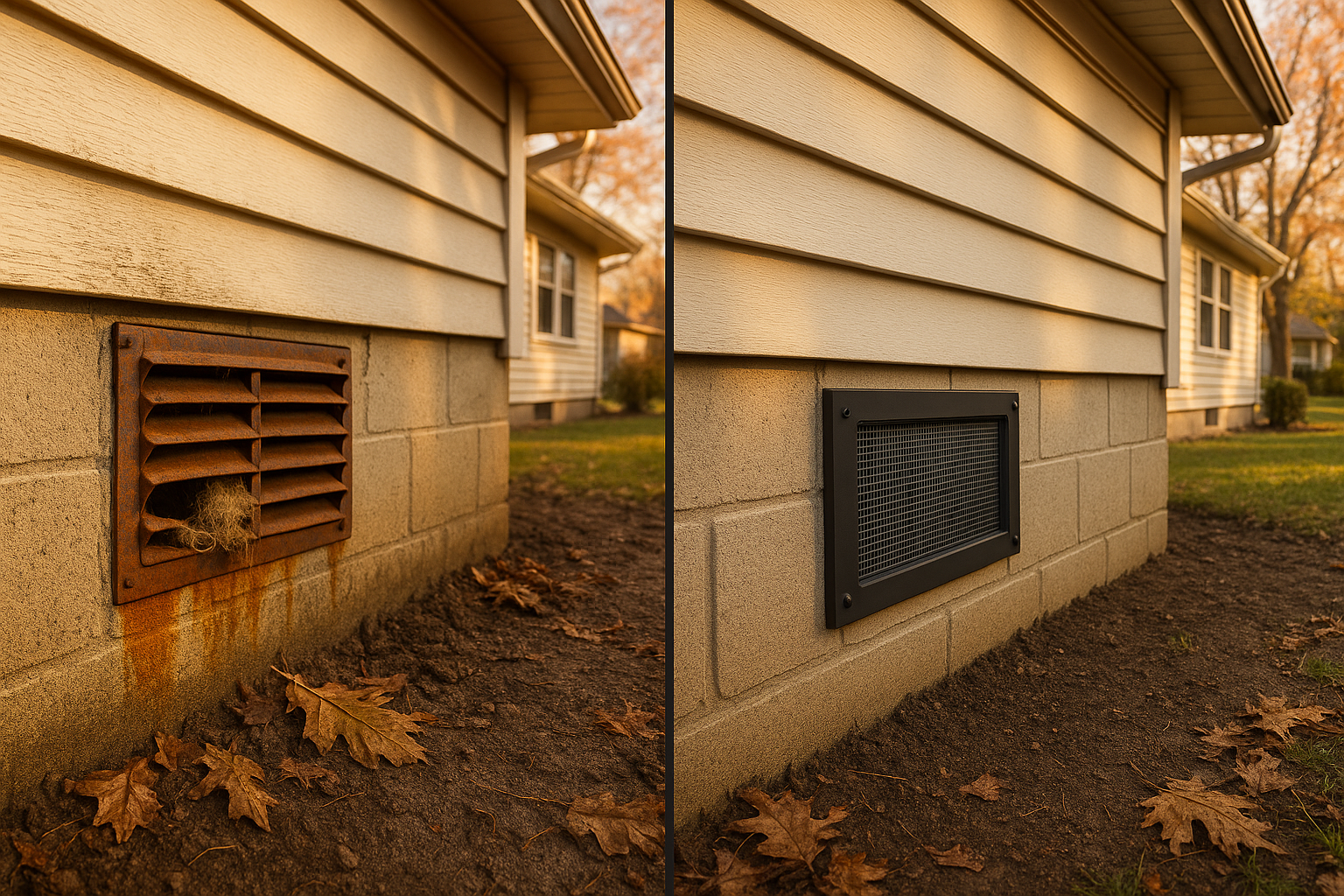
Water is the enemy. You’ve got to manage it from the roof to the foundation. Gutters and downspouts are step one. Grading is step two. The ground should slope away from the house at least six inches over ten feet. In Indianapolis clay, that settles over time. Fix low spots with topsoil. Check foundation cracks. Small hairline cracks are normal. Cracks you can fit a quarter in need a pro look. Crawlspaces? If you have them in Speedway or the southside, inspect the vents, look for standing water, and check insulation. Pest exclusion ties right in. Seal gaps at utility penetrations with caulk or foam. Keep bushes trimmed back from siding and rooflines. Carpenter ants and termites love moist wood. A dry house is a pest-free house.
Inside, test GFCI outlets in kitchens and bathrooms. Test AFCI breakers if you have them. Tighten wobbly handrails on stairs. Fix trip hazards like loose carpet or uneven thresholds. These are cheap fixes that prevent expensive liability.
Documenting, Budgeting, and Knowing When to Call a Pro
I can’t tell you how many landlords call us with a vague note: 'fix the bathroom.' That’s a recipe for a surprise invoice. Take photos. Note the location. Describe the finish level. 'Replace cracked caulk around tub with white silicone, smooth tooled finish.' That’s a scope that gets done right. Use a simple spreadsheet or a checklist app. Turn that into a yearly budget. A good rule of thumb is 1–2% of the property value per year, or about $1,000–$2,000 per door in Indianapolis. That’s not a cost; it’s protecting your asset. And if you need help planning, read our post on maintenance budget per rental unit.
Most of this stuff is handyman territory. But structural issues, roofing, electrical panels, gas lines, and anything needing a permit should go to a licensed pro. In Indianapolis, that means city permits for things like water heater replacements or major electrical. A good handyman knows when to step aside.
We started HandyPros because landlords in Indianapolis kept telling us the same thing: they don’t have time to coordinate three different vendors every season. That’s why we do planning-first walkthroughs. We’ll check every item on this list, take photos, and give you a clear, itemized quote. No vague scopes, no open-ended invoices. If you own a rental in Carmel, Fishers, or any of the surrounding areas, book a preventive maintenance walkthrough today. Let’s make this the year you stop dreading the phone ringing at 2 a.m.
Ready for a free estimate?
Send us the list, and we'll quote a flat price before we schedule — no pressure, no obligation.