Last winter, my buddy Matt called me in a panic. He lives in a 1960s ranch over in Broad Ripple, and his living room felt like a meat locker every time the furnace kicked off. His gas bill had jumped 40% from the year before, and he'd already taped plastic over the windows. I went over, poked my head into his attic, and nearly laughed—maybe an inch of flattened fiberglass between the joists. The rest of his roof deck was bare. "You need to add insulation to attic," I said. "And probably air seal first." Turns out Matt wasn't alone. Half the homes I see around Indianapolis are under-insulated, and most homeowners don't realize it until the bills arrive or the ice dams start hanging off the gutters.
If you're in Carmel, Fishers, Zionsville, Westfield, Noblesville, Greenwood, Brownsburg, Avon, Plainfield, or Lawrence, chances are your attic is thinner than it should be. Here's how to tell, and what to do about it.
The Top Signs You're Under-Insulated
- Drafty rooms, even when the heat is on. That cold feeling near the floor or along exterior walls often means heat is escaping through the ceiling.
- Uneven temperatures between floors. Upstairs colder in winter, hotter in summer? That's attic heat loss or gain.
- Energy bills that creep up every year. If your bill went up but you didn't change your habits, your insulation may have settled or been inadequate from the start.
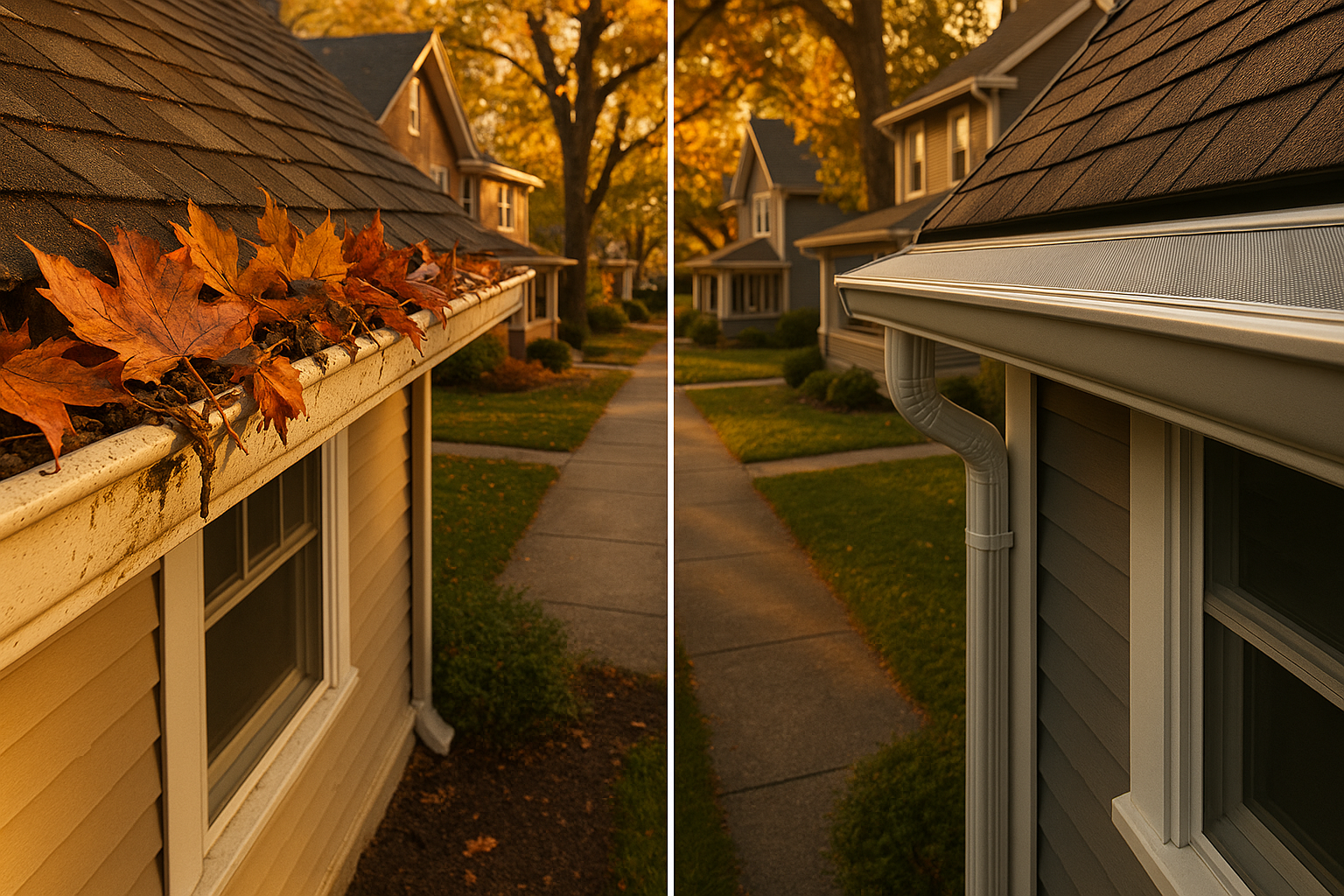
- Ice dams in winter. Those pretty icicles along the gutter are actually a warning sign. Heat leaking into the attic warms the roof, snow melts, refreezes at the cold eave, and backs up under shingles.
- Snow melts too fast on your roof. Compare your roof to neighbors after a snowfall. If yours is bare while theirs is still frosted, you're losing heat.
- You can see the ceiling joists in the attic. If the insulation doesn't cover the joists, you're way below what central Indiana needs.
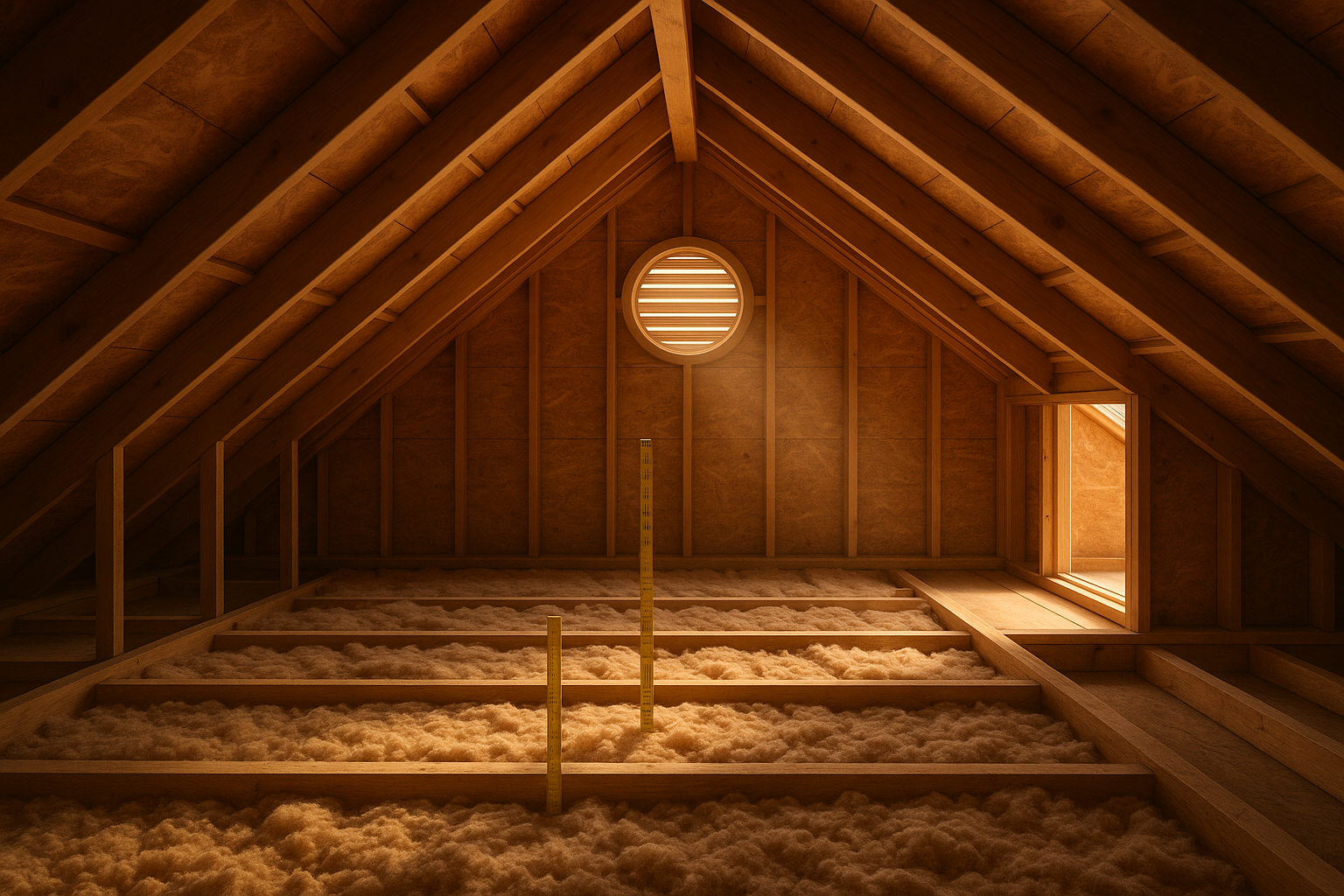
For Indiana's climate (Zone 5A), the recommended attic insulation is R49 to R60. That's roughly 16 to 20 inches of blown-in fiberglass or cellulose, or about 18 to 22 inches of fiberglass batts. Many older homes in Indianapolis have R19 or less. I break down the exact numbers in this guide on attic insulation R-value for Indiana homes.
What I've Seen in Indy Attics
I was in a 1990s subdivision in Fishers last month, and the homeowner complained about musty smells and high humidity upstairs. We climbed up, and guess what? The bathroom fan vented directly into the attic. All that shower steam had been soaking the insulation and roof sheathing for years. They needed to add insulation to their attic, sure, but first we had to fix the vent and dry things out. Another time, a home in Zionsville had soffit vents completely blocked by old fiberglass, so the attic couldn't breathe. The roof deck was sweating in summer, and the shingles were curling.
Moisture problems like these are common in Metro Indy homes. If your crawl space has similar issues, the same principles apply—fix the moisture source before you bury it in insulation. We wrote about that in this post on signs of crawl space moisture problems.
Air Sealing and Ventilation: The Step Most People Skip
Here's the thing nobody tells you about adding insulation to your attic: if you skip air sealing, you're wasting your money. Warm air from your house leaks into the attic through gaps around plumbing pipes, wiring, recessed lights, and the attic hatch. That warm air carries moisture, and it melts snow on your roof in winter. So before you add insulation to attic, seal those leaks.
Use caulk or spray foam around top plates, plumbing vents, and electrical penetrations. Weatherstrip and insulate the attic hatch. Install soffit baffles (also called rafter vents) at every eave to keep air flowing from the soffits to the ridge vent. If you block the soffits with insulation, you'll end up with a hot, damp attic in summer and ice dams in winter.
I've seen plenty of DIY jobs where folks stuffed insulation right up against the roof sheathing at the eaves, and then wondered why their attic felt like a sauna in July. Don't do that.
Blown-In or Batts? What Works Best in Indiana
For most Indianapolis attics, blown-in cellulose or blown-in fiberglass is the way to go. It fills odd spaces, covers existing insulation evenly, and gets into corners that batts never touch. Cellulose has a slightly higher R-value per inch and does a better job blocking air movement, but it's a bit dustier during install. Fiberglass blown-in is lighter and doesn't settle as much over time, though it can lose some R-value in very cold temps. Batts are okay for open, rectangular attic floors but not great for topping up over existing insulation.
If you're adding insulation over old, dry batts, blown-in is almost always easier and more effective. You just blow it right on top. If the old insulation is wet, moldy, or full of mouse droppings, pull it out first. Then air seal, then blow in fresh.
The cost depends on attic size, how much prep work (air sealing, baffles, hatch sealing), and material choice. You can rent a blower from a home center, but you'll need a helper, and the mess stays with you. A pro will bring a big truck-mounted unit and clean up after.
Can You Cover Old Insulation? And Other Questions I Hear All the Time
Yes, you can usually add insulation to attic over old insulation, as long as the old stuff is dry, clean, and not compressed. If it's batt insulation that's been squished, it's lost its R-value, but you can still blow over it. Just make sure there are no roof leaks, and the insulation isn't black with mold or full of animal nests. If it's wet or contaminated, remove it first.
What about can lights? If they're not rated for insulation contact (IC-rated), you need to keep insulation at least 3 inches away from them. Use a barrier or buy a cover. Same for metal chimneys and flues—keep insulation at least 3 inches away and use a metal dam. For recessed lights that are IC-rated, you can cover them, but it's still smart to seal around the fixture.
Vapor barriers? In Indiana, you generally don't need a plastic vapor barrier in the attic, especially if you air seal well. Adding one can trap moisture if installed wrong.
What about storage? If you use your attic for storage, deep insulation reduces usable space. You can build raised platforms over the insulation, but don't compress it—compression kills R-value.
Will this prevent ice dams? Yes, adding insulation and air sealing reduces heat loss, which is the main cause of ice dams. Combined with proper ventilation, you'll see far fewer icicles.
Are there rebates? Maybe. Check with AES Indiana or Citizens Energy Group for current energy efficiency rebates. They change, but sometimes cover a portion of insulation upgrades.
Should You DIY or Call Someone?
If you're handy, have a full day, and your attic is easy to access, you can DIY the blown-in part. But the air sealing, baffle installation, and clearance work takes experience to get right. I've fixed too many jobs where someone blew insulation over a non-IC can light or blocked every soffit. That's a fire hazard or moisture problem waiting to happen.
At HandyPros, we start with a planning-first attic assessment. We measure your current R-value, check for air leaks and moisture, inspect ventilation, and then give you a clear scope and material options. No upselling, no scare tactics. You get a written quote, and if you decide to go with us, we'll do the job clean, take photos before and after, and leave your home as neat as we found it.
If you're in Indianapolis or any of the surrounding towns—Carmel, Fishers, Zionsville, Westfield, Noblesville, Greenwood, Brownsburg, Avon, Plainfield, Lawrence—and you think your attic might need more insulation, give us a shout. We'll come take a look, tell you exactly what you need (and what you don't), and get you a written quote. No pressure. Schedule a free assessment here.
Ready for a free estimate?
Send us the list, and we'll quote a flat price before we schedule — no pressure, no obligation.