Last winter, a landlord friend of mine got a call at 11 p.m. — water pouring through a dining room ceiling in Broad Ripple. He'd been using whatever plumber popped up first on Google for three different rentals. The guy charged a $350 emergency fee, fixed the wrong pipe, and left before the drywall even dried. A week later, the same tenant called about mold. That's when he realized: one-off vendor calls were bleeding him dry, and no single person knew the history of the house.
That's the exact mess property maintenance vendor management solves. It's not about having a long list of numbers in your phone. It's a system to source, vet, schedule, measure, and pay repair people so every job goes right the first time. In Indianapolis, where freeze-thaw cycles crack concrete and spring storms rip off shingles, a predictable process matters more than ever.
The Mess Most Landlords Start With
Walk through any Indy neighborhood with older housing stock — Broad Ripple, Meridian-Kessler, Lawrence — and you'll see 1950s and 1960s ranches that need constant small fixes. Loose railings, caulk that separated over winter, GFCI outlets that trip for no reason. If you own 10 or 50 doors, you can't chase each repair with a different random handyman. You end up overpaying for after-hours calls, juggling invoices, and hoping the next guy actually shows up.
Good property maintenance vendor management means you stop reacting and start planning. You keep a short list of people you trust, you tell them exactly what you expect, and you pay them on time. That sounds obvious, but most landlords never write it down.
Build a Preferred Vendor List Without the Paperwork Pile-Up
Start with a handful of vendors you can count on: a handyman for small multi-trade jobs, a licensed electrician, a plumber, an HVAC tech, and maybe a roofer or fence guy. Collect a W-9 and a certificate of insurance (COI) naming your entity as additionally insured. Ask for license numbers, check references, and confirm they serve your side of town — Carmel, Fishers, Greenwood, wherever.
You don't need 20 vendors. Two per trade is plenty to cover scheduling conflicts and price checks. Keep everything in a shared folder or simple spreadsheet. When a vendor's COI expires, mark it in red. That's the kind of vendor onboarding checklist that saves you from a lawsuit later.
Set SLAs and Scope Rules That Keep Costs Predictable
An SLA (service level agreement) just means you agree on response times. Emergency: within 2 hours. Urgent: same day. Routine: 3–5 days. Write that down, and you'll stop getting "I'll get there when I can" from a guy who's also working for three other landlords.
For every job, use a scope of work template. Include photos of the problem, a not-to-exceed amount, and rules for change orders. That way a $150 faucet replacement doesn't become a $600 repipe after the plumber "discovers" something. Require before-and-after photos on every work order. If a vendor's first-visit resolution rate drops below 70%, find out why.
Triage Work Orders Before You Dispatch
Half of after-hours calls are things that could wait until morning. A tenant says "water leaking" — is it a burst pipe or a slow drip under the sink? Teach your tenants where the main water shutoff is. Ask a few questions: Is water actively spraying? Is there standing water? Can you describe where it's coming from? This simple decision tree keeps you from paying a $200 emergency fee for a problem a $25 SharkBite fitting could fix the next day.
We wrote a whole guide on handling after-hours maintenance calls if you want the full triage flow. The big idea: remote troubleshooting first, dispatch second.
Seasonal Planning and Turnovers in Indianapolis
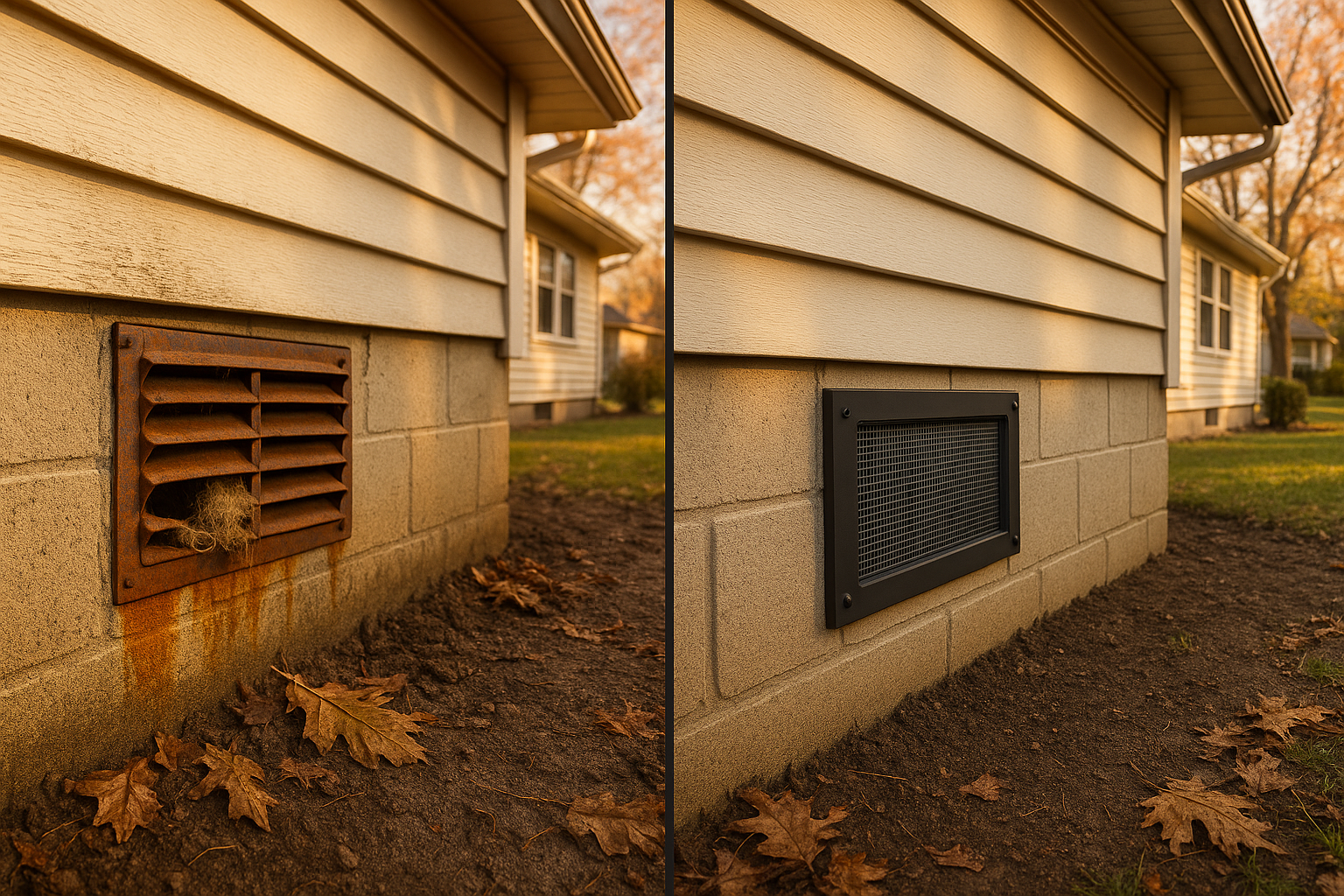
Indiana weather doesn't care about your schedule. Freeze-thaw cycles crack concrete, loosen deck railings, and open exterior caulk joints every spring. Storms rip off shingles and knock down fence panels. Mature trees in Broad Ripple and Meridian-Kessler clog gutters with leaves every fall. If you're not doing preventive maintenance, you're paying emergency premiums.
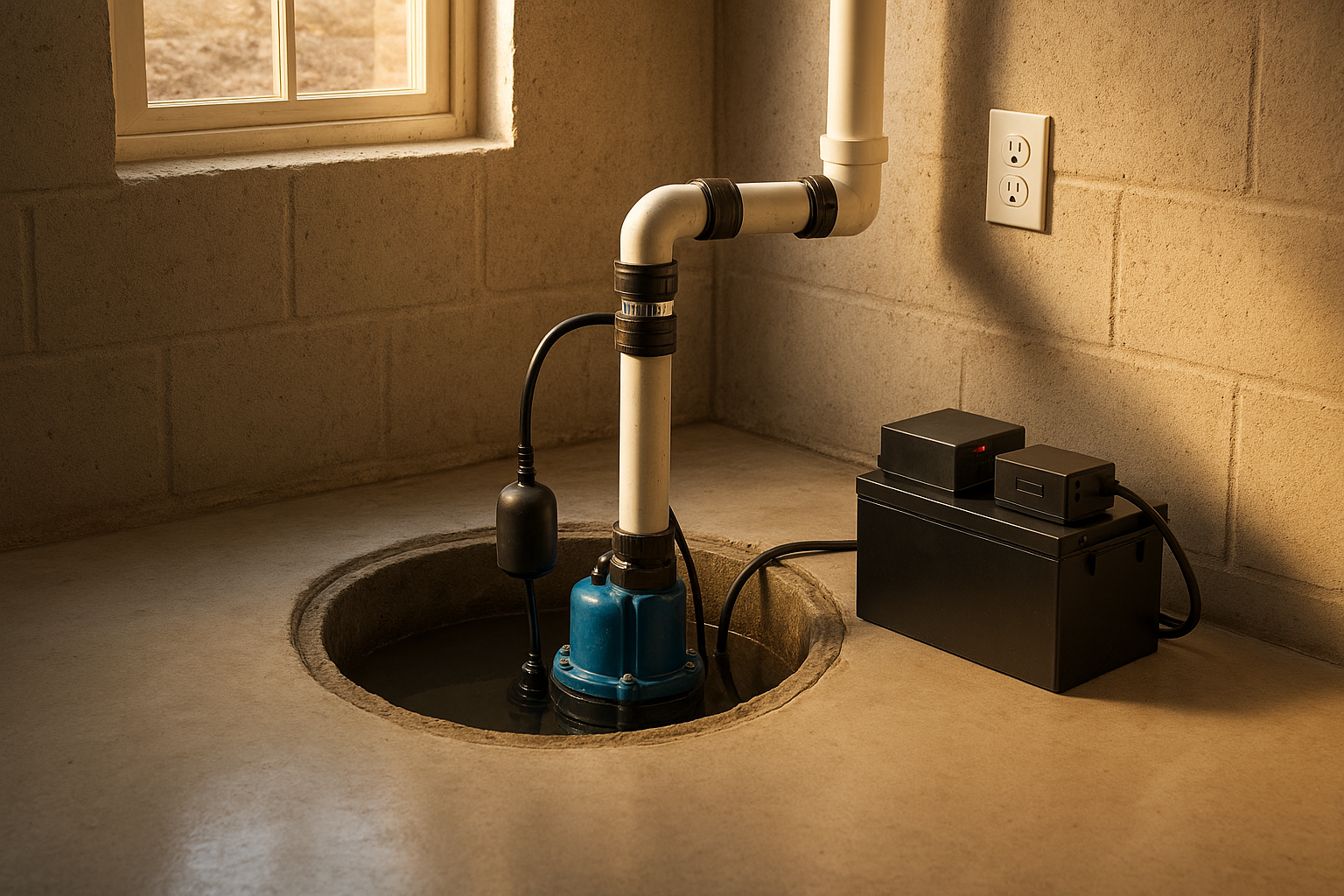
Build a seasonal calendar: gutter cleaning in late fall, sump pump checks before spring rains, hose-bib covers and weatherstripping before the first hard freeze. A preventive maintenance schedule for rentals can cut your emergency calls by half. And when a tenant moves out, don't wing the make-ready. Use a rental turnover checklist with deadlines for paint, caulk, flooring, and cleaning. Hamilton County HOAs in Carmel, Fishers, and Westfield often require pre-approval for exterior work, so build that into your timeline.
Budget and Invoice Approval Without Spreadsheet Hell
Set a maintenance budget per rental unit every year. A common range in Indianapolis is $800–$1,200 per door for routine stuff, plus a capital reserve for HVAC and roofs. Then set approval thresholds: no pre-approval needed under $200, get a photo and invoice for $200–$500, anything over $500 needs a quick call or text. That keeps you in control without managing every $12 light switch.
Track actuals vs plan monthly. If one property is eating 40% of your maintenance budget, you'll see it in five minutes. This is where a good maintenance budget per rental unit worksheet helps. And don't pay invoices until you've seen the after photos and a matching scope. Simple invoice approval workflow: match SOW to invoice, check photos, approve. No exceptions.
Handyman vs Specialist — When to Pull Which Lever
A licensed electrician charging $150 an hour to swap a bathroom exhaust fan is overkill. A handyman charging $60 an hour to rewire a panel is illegal. Know the line. In Indianapolis, permits and inspections fall under the Department of Business and Neighborhood Services. Small cosmetic fixes, caulk, drywall patch, gutter cleanout, fence repair — that's handyman territory. Structural changes, new circuits, water heater replacement, anything with refrigerant — call a specialist. A good handyman partner (like us at HandyPros) will tell you when to escalate to a licensed trade. That honesty matters more than saving $20 on a service call.
How to Start Without Overcomplicating It
You don't have to overhaul everything tomorrow. Pick your worst property — the one with the most callbacks. Audit the vendors you used in the last 12 months. Drop anyone who ghosted you, overcharged without warning, or left a mess. Bring in one or two new vendors with proper COIs and clear scopes. Run a 60–90 day pilot. Track first-visit resolution, callbacks, and total spend. If the numbers improve, roll the system out to your whole portfolio.
Property maintenance vendor management sounds corporate, but it's just a way to stop leaking money and sleep through the night. If you're tired of the 11 p.m. phone calls and want a local team that plans first, send us a note. We'll map a seasonal maintenance plan for your Indy properties, set SLAs you can actually enforce, and give you a single place to approve work orders. Request a quote or book a kickoff call.
Ready for a free estimate?
Send us the list, and we'll quote a flat price before we schedule — no pressure, no obligation.