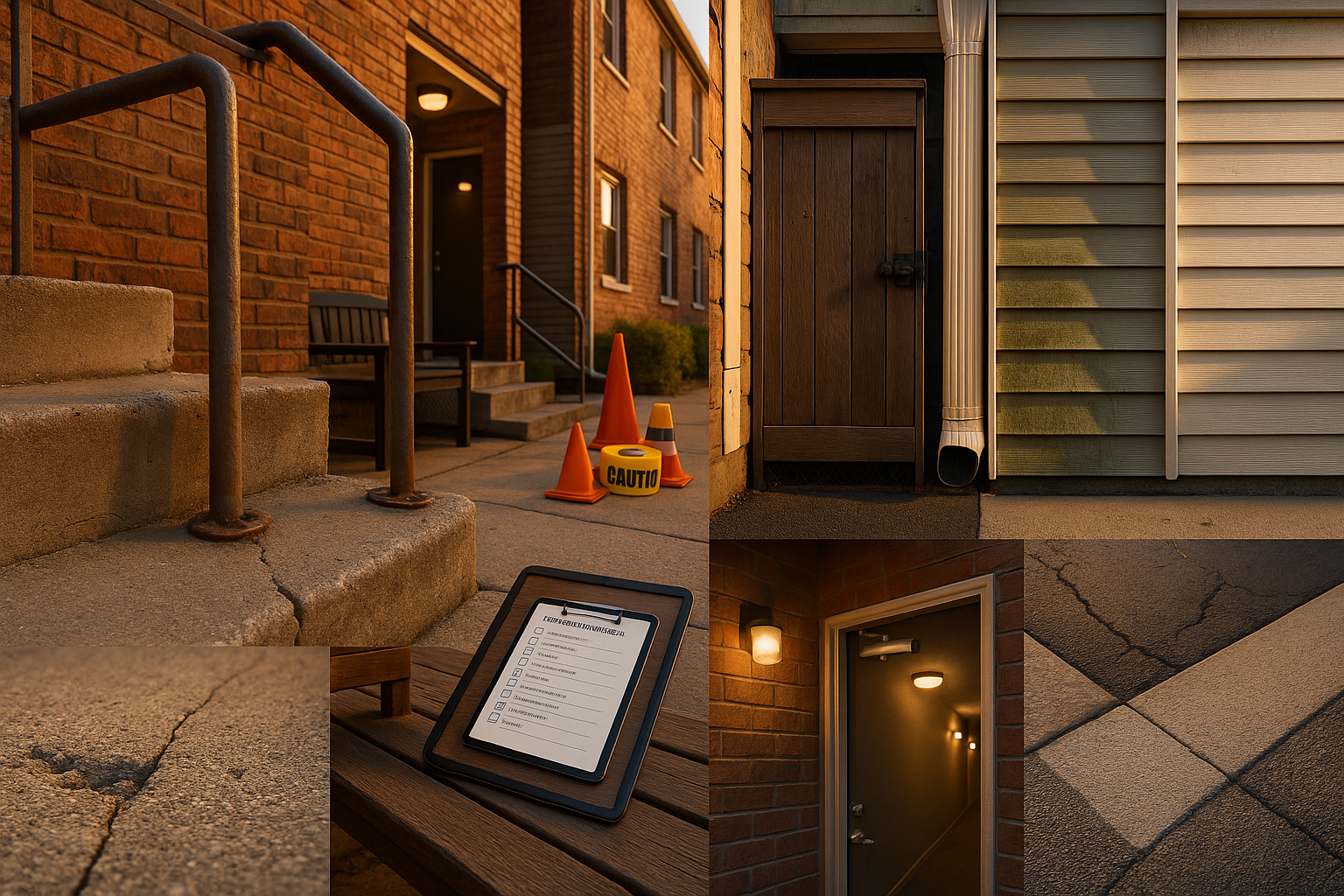
Last January, a property manager in Broad Ripple called me in a panic. A freeze-thaw cycle had turned a hairline crack in the walkway outside Building B into a spalling, crumbling mess. A resident tripped, and suddenly she was knee-deep in incident reports and insurance paperwork. It was an $80 repair that turned into a week of headaches. That's the thing about multifamily common area maintenance: it's rarely about big dramatic projects. It's the small stuff—loose handrails, burned-out hallway lights, a door closer that slams—that drives residents nuts and creates risk. And if you ignore it, it bites you later.
What Actually Counts as Common Area Maintenance?
When we talk about multifamily common area maintenance, we mean the shared interior and exterior spaces: lobbies, corridors, stairwells, laundry rooms, mail areas, entries, sidewalks, parking lots, and yes, even the trash enclosure. It's not the same as janitorial work—sweeping and mopping—but it's also not the big capital projects like roof replacements. Think of it as the stuff that wears out from daily use and needs a handy fix: tightening a loose hinge, replacing weatherstripping, patching drywall, changing a light fixture, re-caulking a window. In Indianapolis, you've also got the freeze-thaw cycle working against your concrete, humid summers causing mildew on siding, and fall leaf drop clogging gutters in neighborhoods like Meridian-Kessler. A good property maintenance checklist should catch these before they become resident complaints.
A Simple Preventive Schedule (That You'll Actually Use)
You don't need a 47-item daily log. I've seen maintenance supervisors get bogged down in paperwork and never actually fix anything. Instead, split your multifamily maintenance plan into zones and frequencies.
Weekly: Walk the main entries and hallways. Look for burned-out bulbs, trip hazards, loose stair treads, and doors that don't latch. If you have a maintenance tech or porter, this is a 20-minute loop. And it's where you'll catch hallway lighting maintenance issues before someone says, 'It feels unsafe.'
Monthly: Check door closers, latches, and weatherstripping on all exterior and stairwell doors. Adjust or replace them—an entry door closer repair is cheap compared to a security issue. Also scan for scuff marks, peeling paint, and loose handrails.
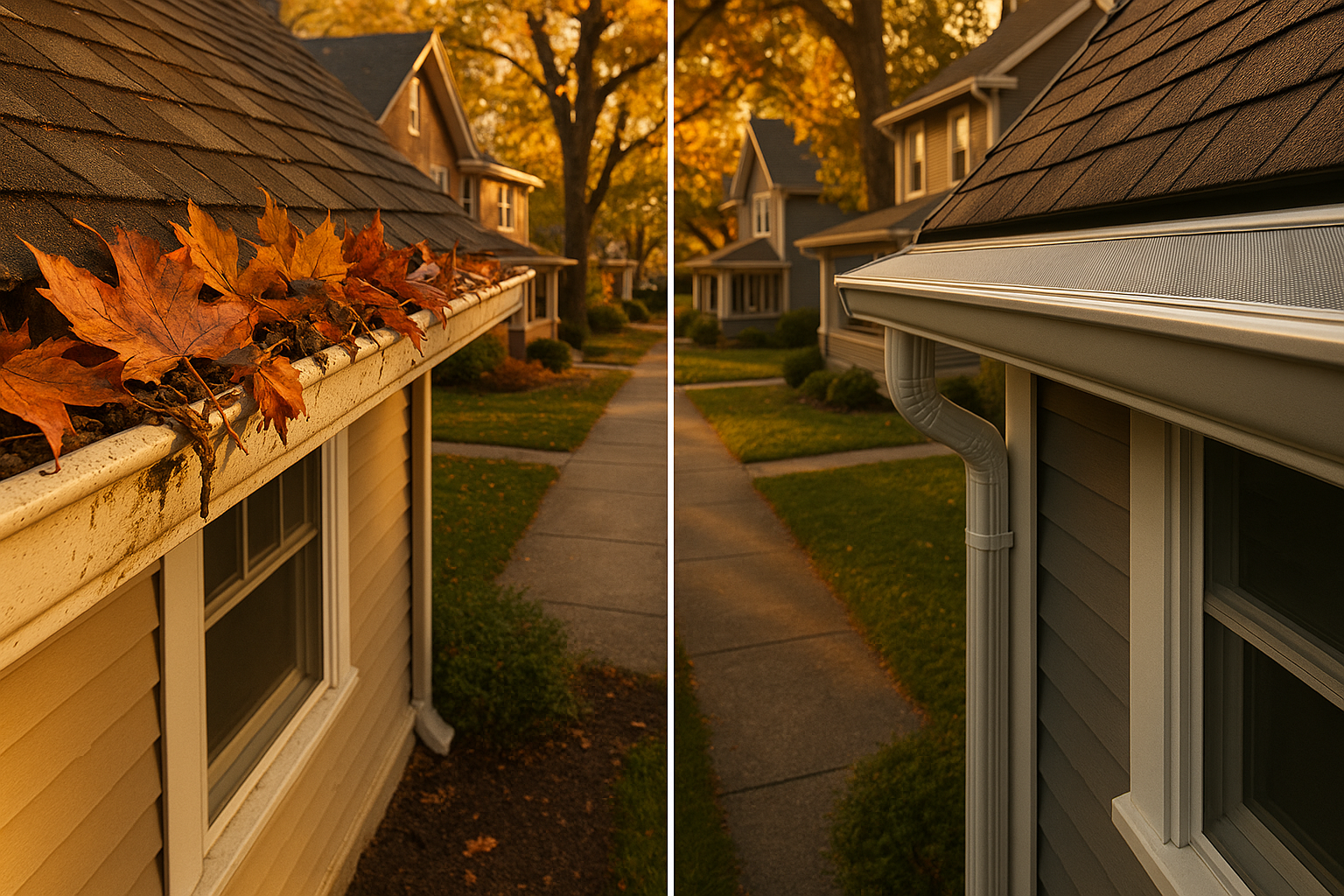
Quarterly: Clean gutters and downspouts (especially after fall leaf drop), inspect caulking around windows and doors, and check handrail integrity. In older garden-style communities from the '60s and '70s, wood stair towers can hide rot—poke the stringers and posts. This is also when you'd evaluate concrete for freeze-thaw concrete repair needs.
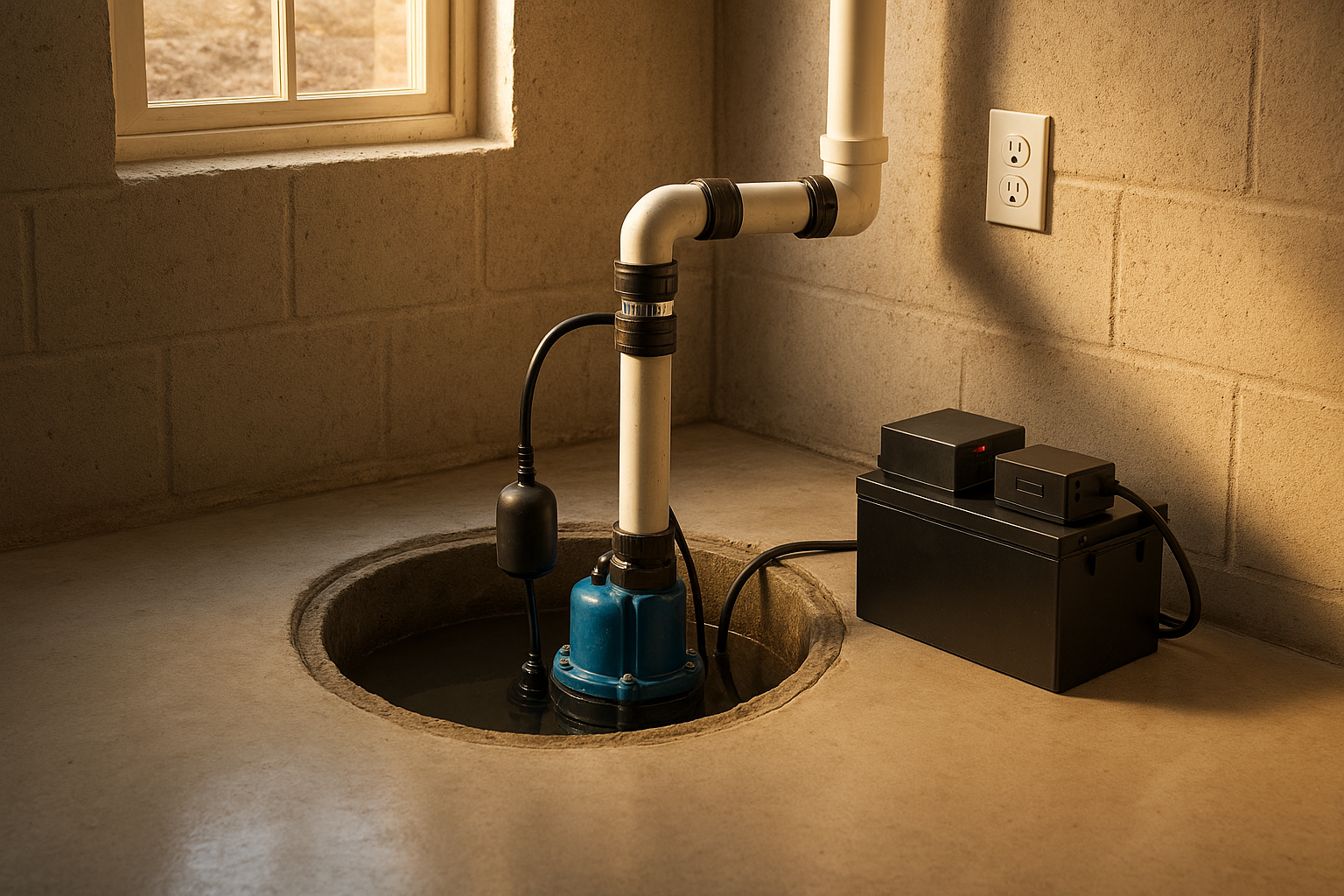
Semiannually: Power wash siding and fences to keep mildew at bay, evaluate parking lot striping and asphalt cracks, and service sump pumps if you have them. If you coordinate with a paving contractor for asphalt crack sealing, do it before winter.
Annually: Review the budget, walk every building with your handyman, and update the plan. This is where you can spot trends: are you always fixing the same stairwell light? Maybe it's time for an LED lighting upgrade to a more durable fixture.
If you want a more detailed preventive maintenance schedule for rentals, we have a post that breaks it down further. Check it out here.
One Handyman Partner vs. a Rolodex of Vendors
I've seen property managers juggle a dozen different contractors: one for doors, one for drywall, one for lighting, one for the parking lot. It's a headache. Not only do you have to coordinate schedules, but you also have to explain the same issue five times. And if something goes wrong after hours? Good luck.
That's where vendor consolidation for maintenance shines. A handyman service that specializes in multifamily common area maintenance can knock out most of those routine repairs in a single visit. They can fix the door closer, patch the drywall, replace the hallway light, and caulk the bathtub in the same afternoon. When they hit something outside their scope—an electrical panel upgrade, a serious structural issue, or life-safety system work—they should have a network of licensed specialists to call. That way you're not managing the specialty trades yourself; you just get a clear report and a finished job. We wrote more about the benefits of one vendor vs. many for property repairs if you're still on the fence. Read that post.
Budgeting and Seasonal Planning for Indianapolis
Predictable costs are the goal for any property manager. The best way to get there is to budget for common areas by zone, not by emergency. Set aside a monthly amount for routine handyman work—based on the number of units and the age of the property. Then add a line item for seasonal tasks: snow and ice removal planning, gutter cleaning, parking lot upkeep. If you know a stretch of walkway is prone to heaving, budget for grinding and patching before winter hits. And don't forget trash room repairs: those enclosure gates take a beating, and a broken latch invites pests.
Resident communication is half the battle. When you schedule repair work in hallways or entries, send a notice a day or two ahead. If it's noisy or blocks access, tell them exactly when and why. After the work, share a quick before/after photo. It builds trust and cuts down on 'why is this guy here?' complaints. And if something goes wrong after hours—a failed entry door closer, a significant water leak, unsafe stairs—you need a plan. Define what's urgent, set response expectations, and stage supplies like ice melt and caution tape. We have a whole post on handling after-hours maintenance calls that covers what you need. Here's the link.
When you're laying out the budget, I always tell managers: don't just look at the total cost. Look at the cost per unit per month. A property with 50 units spending $3,000 a year on common area handyman work is $5 per unit per month. That's less than a latte. And it prevents the $10,000 emergency. If you want to see how other landlords budget, our post on maintenance budget per rental unit breaks it down. Take a look.
Ready to Get a Clear Plan?
If you're tired of chasing repairs and want someone who knows Indianapolis multifamily properties—from the brick walk-ups near Mass Ave to the garden-style apartments in Lawrence and Greenwood—let's do a common-area walk-through. We'll go building by building, note every loose handrail, worn threshold, and tricky concrete joint, and put together a line-item maintenance plan with a clear quote. No pressure, no vague promises. Just a practical list of what needs fixing, when, and how much it'll cost.
Reach out through our quote page and we'll set up a time.
Ready for a free estimate?
Send us the list, and we'll quote a flat price before we schedule — no pressure, no obligation.