Last spring, a buddy in Fishers texted me a photo of his living room ceiling. There was a stain shaped like a lopsided coffee cup, right around a recessed light. It wasn't dripping—just that ugly brown ring. He figured he'd just paint over it next time he got around to painting the whole room. Six weeks later, the stain was back and bigger, and he noticed the paint starting to bubble. That's the thing about ceiling water damage: it never stays small, and painting over it is like putting a band-aid on a leaking pipe. If you're seeing water stains, peeling paint, or a sagging spot on your ceiling anywhere around Indianapolis—from Broad Ripple to Noblesville—you've got a project on your hands. Here's what to expect, what it'll cost, and how to make sure the fix actually sticks.
Step One: Make It Safe, Not Scary
You might be tempted to just lay down a towel and wait. Don't. If the ceiling is bulging or actively dripping near a light or fan, cut power to that circuit at the breaker. A sagging ceiling full of water is heavy and can come down without warning. Move furniture, put a tarp or plastic down, and place a bucket under the drip. If there's a large water bubble, you can poke a small hole at the lowest point to let the water drain slowly—but only if the area looks structurally sound and the power is off. This is a classic emergency ceiling leak temporary fix. Take photos with your phone. Note when the stain showed up and whether it's growing. This documentation helps if you end up filing an insurance claim.
Where's the Water Coming From?
Before any cosmetic repair, you have to find the source and stop it. Otherwise you'll be doing this again next year. Around here, roof leaks are a big one—especially after those heavy spring storms that dump an inch of rain in 20 minutes, or after winter ice dams build up along the eaves. Water backs up under shingles, runs down onto the attic floor, and eventually shows up as a stain on a second-floor or vaulted ceiling. Another common culprit is plumbing—a slow leak from an upstairs bathroom supply line or a wax ring under a toilet that's been seeping for weeks. The stain often lines up with where the toilet or shower is above. You might see ceiling paint bubbling water right below that upstairs bathroom. HVAC systems can also cause condensation near vents if the duct isn't insulated well in a cold attic.
Head up to the attic with a flashlight. Look for wet insulation, water stains on the roof decking, or a drip from a pipe. If you can't tell whether it's a roof leak or a plumbing leak, that's when you might call a roofer or a plumber first. But honestly, a good handyman can often diagnose the problem, stop the immediate leak, and then handle the full ceiling leak repair—saving you from coordinating three different trades.
Dry It Out Like You Mean It
Once the source is stopped, you still have wet materials above the ceiling. If you close it up too fast, you'll get mold on ceiling after leak and musty smells that never go away. Remove soaked insulation and any drywall that's crumbling or soft. Then run dehumidifiers and air movers for 24 to 72 hours. You can't rush this—even if the surface looks dry, the wood framing and remaining gypsum need to reach normal moisture levels. We use a moisture meter to check. In central Indiana, summer humidity makes this even more important. If materials stayed wet for more than a day or two, you need to think about mold. Surface staining can often be cleaned and sealed, but widespread growth needs more serious remediation.
The Repair: Patch, Replace, and Match That Texture
Now for the actual water damage ceiling repair. The approach depends on how bad it is. Small, isolated stains on drywall that are still solid can be patched. But if the drywall is sagging, crumbling, or delaminating, you need to replace drywall after water damage. In older Indianapolis homes—think Broad Ripple, Meridian-Kessler, or Irvington—you might have plaster ceilings on lath. That calls for plaster ceiling water damage repair, which is more finicky and often requires a skilled hand to blend without making the problem worse.
For newer builds in the suburbs—Fishers, Carmel, Avon, Greenwood—ceilings are usually drywall. Many of those homes have roof trusses spaced 24 inches apart, which means 5/8-inch drywall is preferred to prevent future sagging. We always use mold-resistant board in bathrooms or humid areas. After hanging, we tape and bed the seams, feather out the joints, and match the existing texture: smooth, knockdown, orange peel, or popcorn. That texture match is where DIY ceiling repair often goes wrong. Then we prime with a stain blocking primer for water stains (important—cheap primer lets the brown ring bleed through) and repaint the whole ceiling for a seamless blend.
What does this cost in Indianapolis? It varies a lot. A small patch (about 2x2 feet) usually runs $250–$600. A medium area, up to one sheet of drywall, might be $650–$1,200. A larger room with multiple sheets and full ceiling repaint can push $1,500–$3,200 or more. Add-ons like insulation replacement, drying equipment, or extensive plaster work increase the cost. The exact cost to repair water damaged ceiling Indianapolis depends on your home and how bad the damage is. These are typical ranges; you need an on-site look to get an exact quote. If you're dealing with insurance, sudden accidental leaks are usually covered, but long-term maintenance issues often aren't. Take photos, keep receipts, and we can give you a written scope to share with your adjuster.
Can I Just Paint Over It?
No. Please don't. The water stain will bleed through regular paint. You have to use a stain-blocking primer, but even that won't help if the source of water isn't fixed. Painting over a water-damaged ceiling is like covering a fire alarm with a pillow—it just hides the problem until it gets worse. You also need to replace any water-damaged drywall or plaster that has lost its strength. If the ceiling feels damp, spongy, or crumbly, paint won't fix it. That's the core of how to fix water damaged ceiling: stop the water, dry it out, then fix the surface.
Why Hire a Handyman for Ceiling Water Damage?
Some people wonder if they should call a plumber, a roofer, or a handyman. A plumber fixes the leak if it's from a pipe or fixture. A roofer fixes the roof if that's the source. But the ceiling repair itself—cutting out drywall, patching, texturing, painting—that's exactly what a good handyman does. HandyPros handles the whole mess from leak to fresh paint, and we're local. We know the quirks of Indy homes: the old plaster in Herron-Morton, the truss spacing in Westfield, the ice dams in Zionsville. We protect your floors and furniture, keep the dust contained, and clean up like we were never there. No hidden price creep—we give you a clear written estimate before we start. If you've ever tried a DIY ceiling patch and ended up with a lumpy mess, you already know the value of a professional who can match texture and make it disappear.
Keep the Water Away for Good
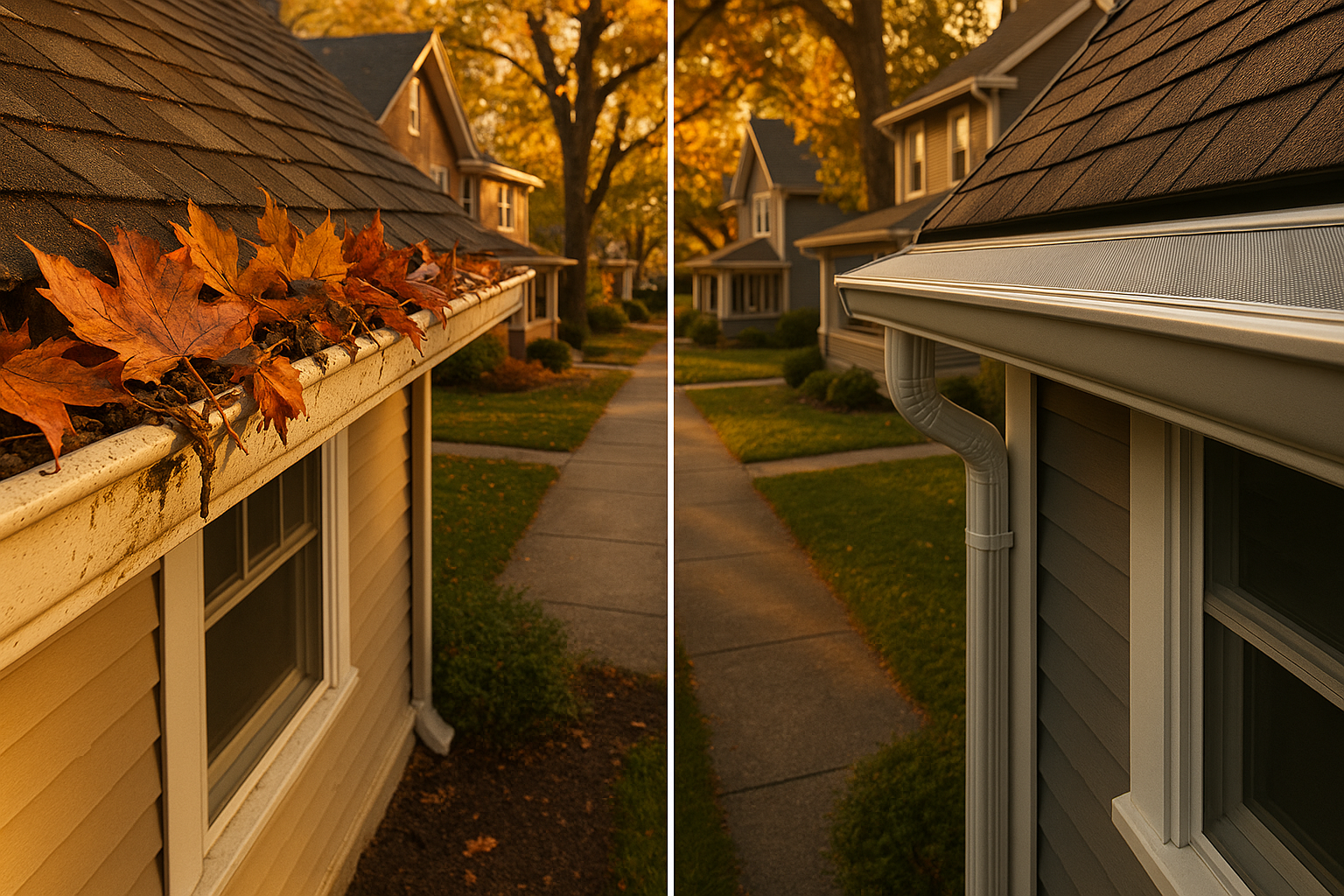
To prevent the next ceiling stain, think about what caused this one. If it was a roof leak, clean your gutters and extend downspouts well away from the foundation. Check roof flashing and vent boots. In winter, ice dams are a common culprit—proper attic insulation and ventilation help prevent them. If your home sits on a lot with poor drainage, yard grading can move water away from the foundation. And if you've had repeated leaks from upstairs plumbing, consider drain cleaning or replacing old supply lines. We've written more about these topics: how to handle drywall repair after water damage, keeping gutters and downspouts working for your home, and moving water away with yard grading.
At HandyPros, we're not about selling you stuff you don't need. We want to fix the problem right the first time, so you don't see that stain again next spring. If you've got a water stain, a sagging ceiling, or just a question, give us a call or request an on-site assessment. We'll come out, take a look, and give you a straight answer and a written estimate. No pressure, no mess, just a dry ceiling that looks like it never happened.
Ready for a free estimate?
Send us the list, and we'll quote a flat price before we schedule — no pressure, no obligation.