Last July I got a call from a woman in Broad Ripple. Her house had a musty smell on the first floor, and her oak floors were starting to cup at the edges, like little canoes. She'd put a portable dehumidifier from the big-box store down in the crawl, sitting on the dirt. It ran nonstop, filled the bucket every few hours, and didn't help. She was fed up and just wanted a straight answer: do I actually need a crawl space dehumidifier, or is this just an upsell? Fair question. I hear it all over Indianapolis, Carmel, Fishers, Zionsville—everywhere with older, vented crawl spaces. So let's talk about what's really going on under your house and whether a dehumidifier is the right fix.
Why Crawl Spaces in Indy Stay So Damp
Indianapolis summers are humid. Like, really humid. You get 90-degree days with 70% humidity, then a thunderstorm rolls through, and all that warm, wet air gets pulled into your crawl space through the open vents. In older homes—built from the 1940s through the 1990s—the crawl space was vented on purpose. The old thinking was that outside air would dry things out. But in Indiana, the outside air is often wetter than the air under the house. So you're basically pumping moisture in.
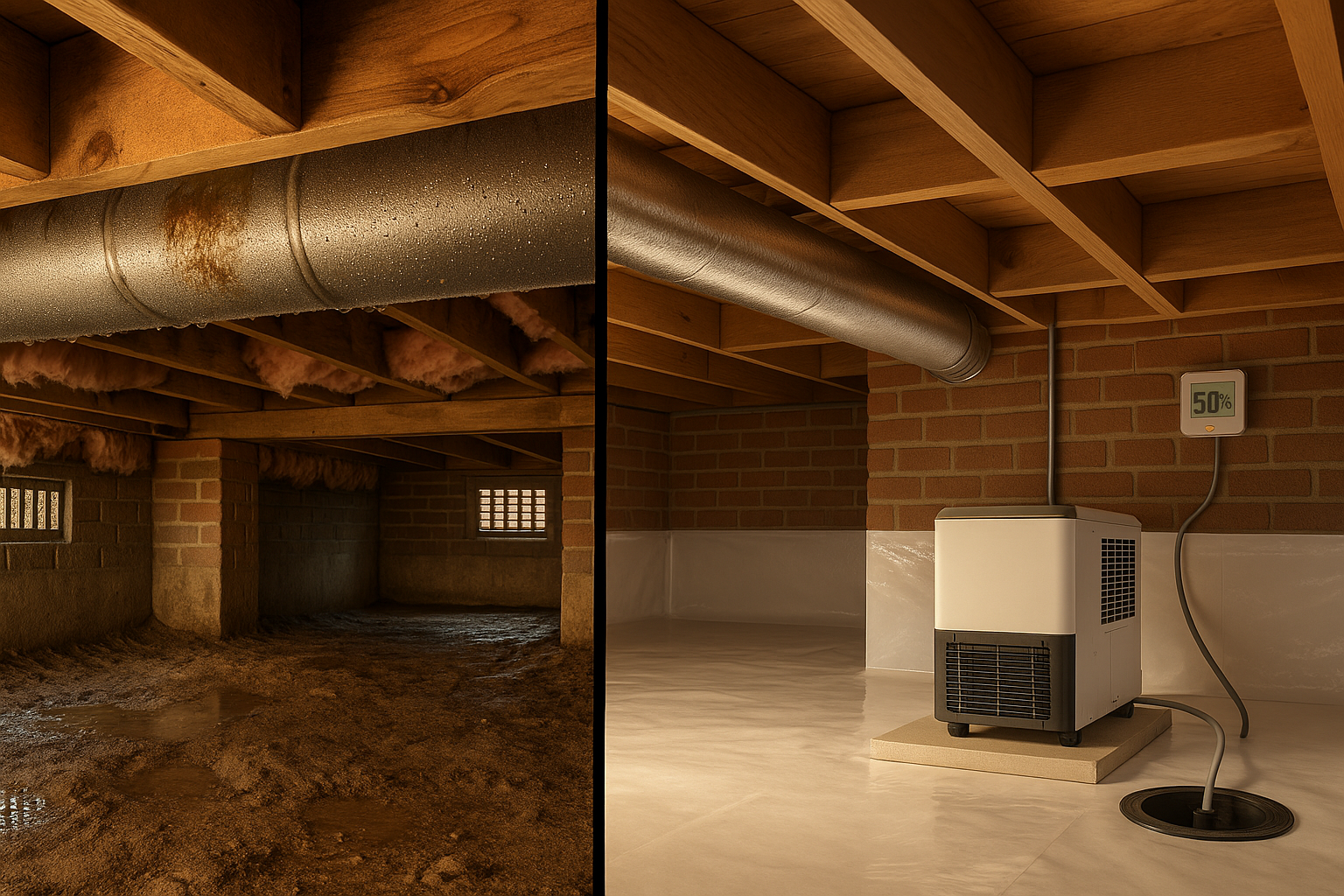
Add our clay soil, which holds water after spring rains, and you've got a mess. I've been under houses in Irvington, Meridian-Kessler, and Speedway where the floor joists were sweating, the insulation was soaked, and you could see condensation on the ducts dripping onto the ground. That's a sign the humidity in the crawl space is way too high.
A note about local code: unvented, conditioned crawl spaces are allowed here, but you have to meet specific conditions, like a sealed ground cover and mechanical drying. A pro can help you get that right.
What a Crawl Space Dehumidifier Actually Does
A crawl space dehumidifier pulls moisture out of the air. The goal is to keep the humidity level between 45% and 55% relative humidity. That's dry enough to stop mold, prevent wood rot, and kill that musty smell. It also helps your wooden floors upstairs because the air in the crawl space eventually moves into your living room.
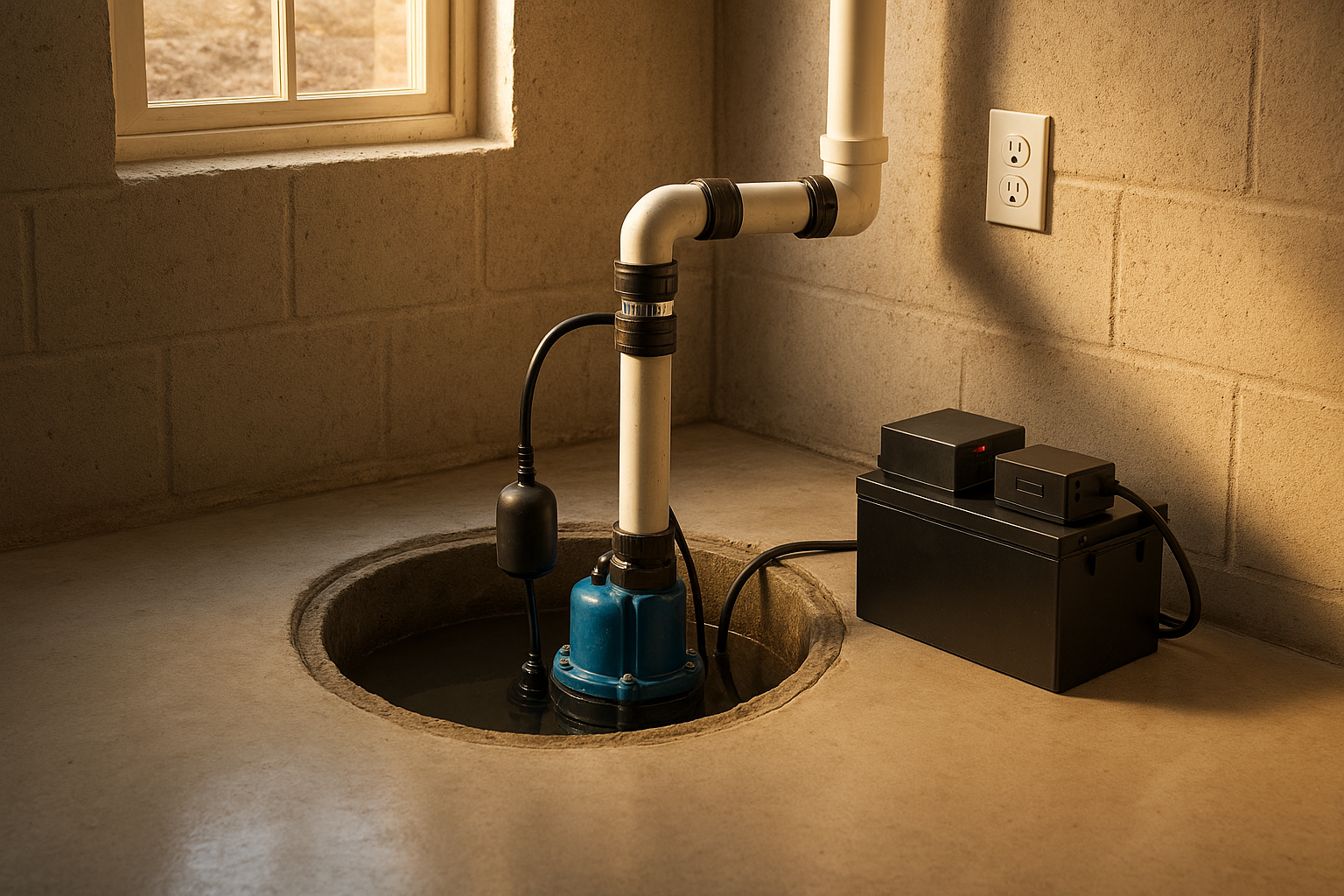
But a dehumidifier only controls moisture that's already in the air. It doesn't stop water from coming in. If you've got standing water after a heavy rain or water seeping through the foundation walls, a dehumidifier will run all day and never catch up. So fix the water first, then dehumidify. That's the rule.
Dehumidifier vs. Encapsulation: What's the Difference?
Many people ask: do I need a dehumidifier if I already have a vapor barrier? Or should I go all the way with encapsulation? Here's the straight talk.
A vapor barrier is a thick plastic sheet over the dirt. It blocks ground moisture from evaporating into the crawl space air. That's a huge help. But unless you also seal the vents and walls, the space is still open to outside air. A dehumidifier works with the vapor barrier to handle the moisture that leaks in through vents, cracks, and the walls. For a lot of homes in Indianapolis, a good vapor barrier plus a right-sized dehumidifier is enough.
Full encapsulation goes further: you seal the vents, insulate the walls, and condition the space. It's more expensive but often the best long-term fix. I break down the differences in this article. If your crawl space is only damp in July and August and you already have a decent vapor barrier, a dehumidifier might be all you need.
I know a landlord in Lawrence who owns a 1950s rental with a vented crawl. He didn't want to drop $8,000 on full encapsulation. We put in a sealed vapor barrier and a mid-size dehumidifier with a pump. The musty smell disappeared, the tenant stopped complaining, and it cost about a third of the price.
Sizing and Features That Actually Matter
Don't just grab a basement dehumidifier from the store. You need a unit rated for crawl space use. Crawl spaces are colder than basements in the winter, so look for a low-temperature dehumidifier with auto defrost. Otherwise the coils can freeze up in March or November when the temperature dips.
For a typical crawl space around 800–1,200 square feet, you want something that can pull 50–70 pints of water per day at standard conditions. But if your crawl is really wet or has open vents, go bigger. A unit that runs less often lasts longer and costs less to run overall.
Features to look for: - A built-in condensate pump, so the water can be pumped up and out to a drain or outside. - A remote humidistat you can read without crawling under the house. - A washable filter. - Ductable options if you want to tie it into your HVAC, but most people don't need that.
If someone tries to sell you a portable room dehumidifier, run. Those aren't built for the dust, the cold, or the constant runtime. I've seen them die within a year. Plus they collect water in a bucket that nobody empties on schedule, so the unit shuts off and the humidity comes back.
Installation and Drainage: Don't Cause More Problems
A crawl space dehumidifier should sit on a level pad, never directly on the dirt. Ideally, you place it over a sealed vapor barrier. The condensate line needs to drain somewhere safe—either a sump pump basin or outside with an air gap. Never let it drip onto the dirt, because that just puts the moisture right back.
One time I was in a house in Greenwood where the previous owner had installed a dehumidifier but left the drain hose coiled up on the ground. The unit ran all summer, and the dirt around it turned into mud. That made everything worse. A simple fix: route the hose to the sump pit or add a condensate pump with a check valve.
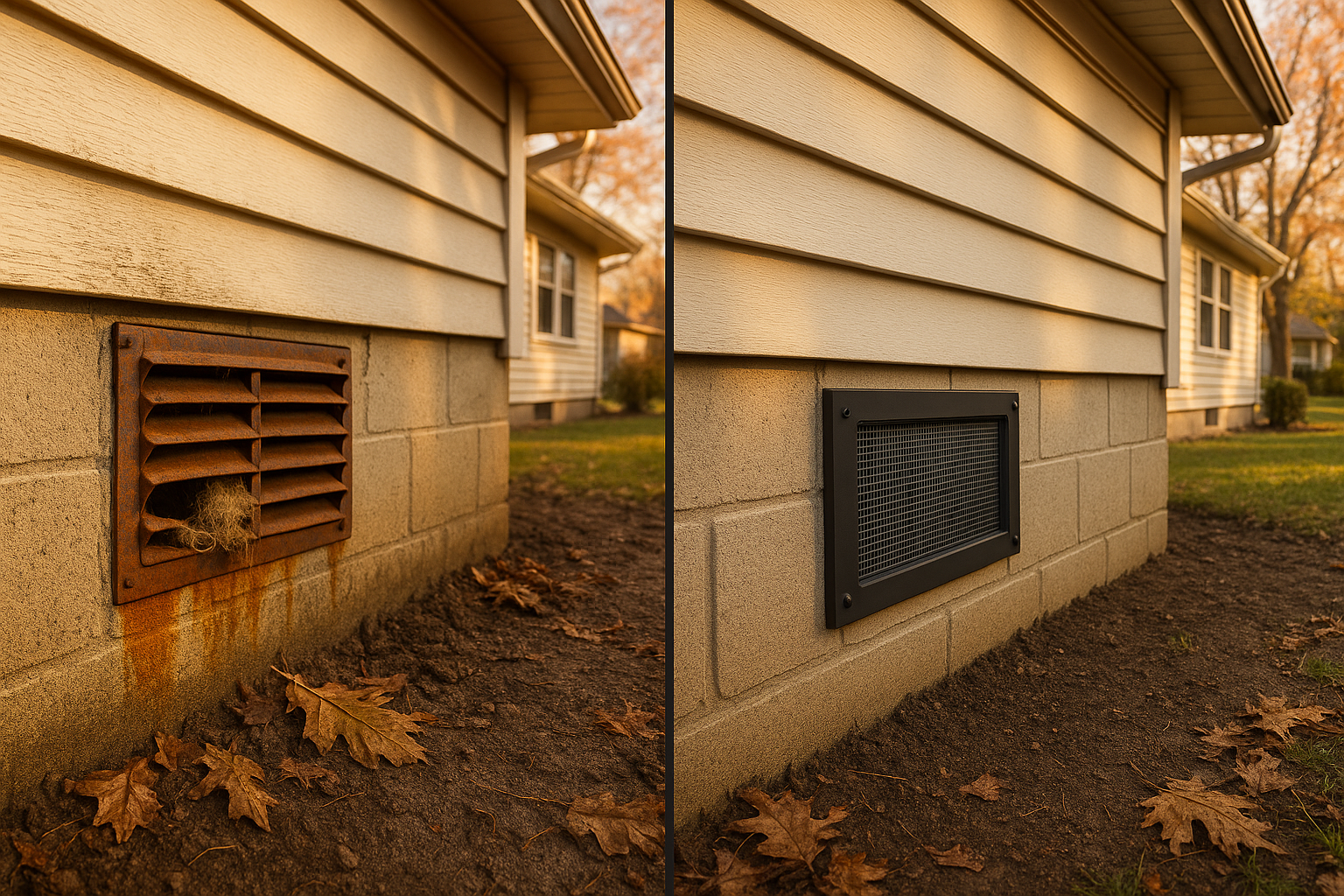
People also ask about closing the crawl space vents. Short answer: yes, for most homes in Indiana, you should seal those vents when you're running a dehumidifier. Otherwise you're trying to dehumidify the outdoors. But you need to do it right—code requires a sealed ground cover and mechanical drying for unvented crawls. If you're not sure, get a pro. More details in this article on encapsulation in Indiana.
Cost to Run and Keep It Running
The electric cost isn't scary. A typical crawl space dehumidifier draws 400–700 watts. At Indiana electric rates, that's about $15–40 a month during the humid season. In winter it cycles less, but you should leave it plugged in and set to 50% RH. Our freeze-thaw cycles and shoulder-season rains can keep things damp even in December.
Maintenance is easy: clean the filter every few months, check the drain line for clogs, and dust the coils once a year. If the unit has a pump, make sure it works—if the pump fails, most units shut themselves off to avoid flooding. That's a nice safety feature.
And don't buy the cheapest unit. Used ones from Craigslist? No. A quality dehumidifier lasts 7–10 years with care. A cheap one will be dead in 3.
When You Need More Than a Dehumidifier
Sometimes a dehumidifier isn't enough. If you see any of these, stop and call a pro before you spend money on equipment: - Standing water after rain (you need drainage fixes, maybe a sump pump or perimeter drain). - White powdery stains on the foundation walls (that's efflorescence from water seeping through). - Mold growing on wood or insulation. - Sagging floors or soft spots in the subfloor. - A musty smell that never goes away even when the dehumidifier runs all the time.
These are signs of water intrusion or structural moisture damage. A dehumidifier will just mask the symptom. You can read about crawl space moisture problems here. And if your hardwood floors are cupping, that's often from subfloor moisture—here's a deeper look.
Common Questions About Crawl Space Dehumidifiers
What humidity should I set my crawl space dehumidifier to?
Set it to 50% relative humidity. That's the sweet spot. Some people go 45%, but 50 is fine for most houses and uses a bit less energy.
Do I need to close my crawl space vents?
Yes, if you're running a dehumidifier. Open vents let in humid outside air, and the dehumidifier has to work harder. But sealing vents needs to be done properly, with a vapor barrier and a plan for drying, so check local codes or have a pro inspect.
Can I use a portable dehumidifier in the crawl space?
You can try, but I don't recommend it. Portables aren't designed for the cold, the dust, or the continuous runtime. They also need a bucket emptied constantly. A dedicated crawl space unit costs more upfront but actually solves the problem.
Get a Straight Answer for Your House
At HandyPros, we don't just push dehumidifiers. We start by inspecting your crawl space, measuring the humidity and wood moisture, checking drainage and the vapor barrier. Then we tell you what you actually need: maybe just a dehumidifier, maybe a vapor barrier plus a dehumidifier, or maybe full encapsulation. We'll give you options and clear pricing.
If you're in Indianapolis, Carmel, Fishers, Zionsville, Westfield, Noblesville, Greenwood, Brownsburg, Avon, Plainfield, or Lawrence, we can come take a look. No pressure, just honest advice. You can request a quote here or check out more of our blog articles for other home tips. A dry crawl space isn't a luxury—it's what keeps your floors flat, your air fresh, and your house standing straight.
Ready for a free estimate?
Send us the list, and we'll quote a flat price before we schedule — no pressure, no obligation.