Last spring, a homeowner in Broad Ripple called me about a smell. Not just any smell — a damp, earthy, almost moldy odor that got worse every time the furnace kicked on. He'd crawled under his 1950s bungalow and found bare dirt, rusting ductwork, and fiberglass insulation hanging down like wet laundry. His floors were freezing all winter, and the whole house felt sticky in July. He asked me straight: "Is crawl space encapsulation worth it in Indiana?" I told him the short answer is yes for most homes here. But the real answer depends on how you do it.
What Crawl Space Encapsulation Actually Does
Crawl space encapsulation is not just laying plastic on the ground. It means sealing the entire space — floor, walls, and rim joists — with a thick, reinforced vapor barrier (12 to 20 mil). You also seal or remove the foundation vents, insulate the walls (not the floor joists), and install a dehumidifier to keep relative humidity in check. The goal is a sealed crawl space that stays dry all year.
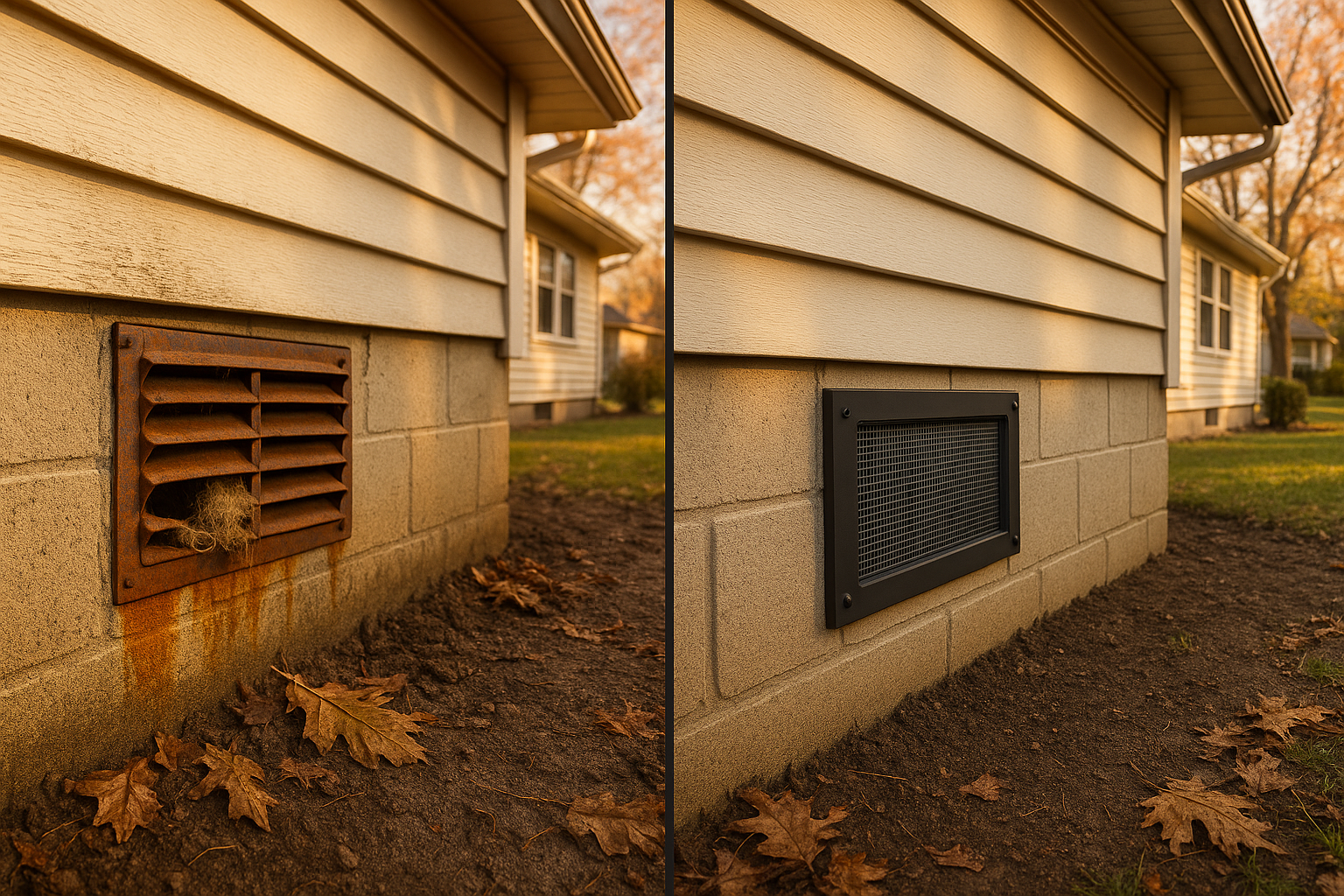
A simple crawl space vapor barrier can help some, but it leaves vents open, doesn't address drainage, and often traps moisture underneath. Encapsulation treats the space like a short basement. It's cleaner, drier, and easier to service your furnace, water heater, or plumbing.
Why Indiana's Climate Makes Moisture Worse
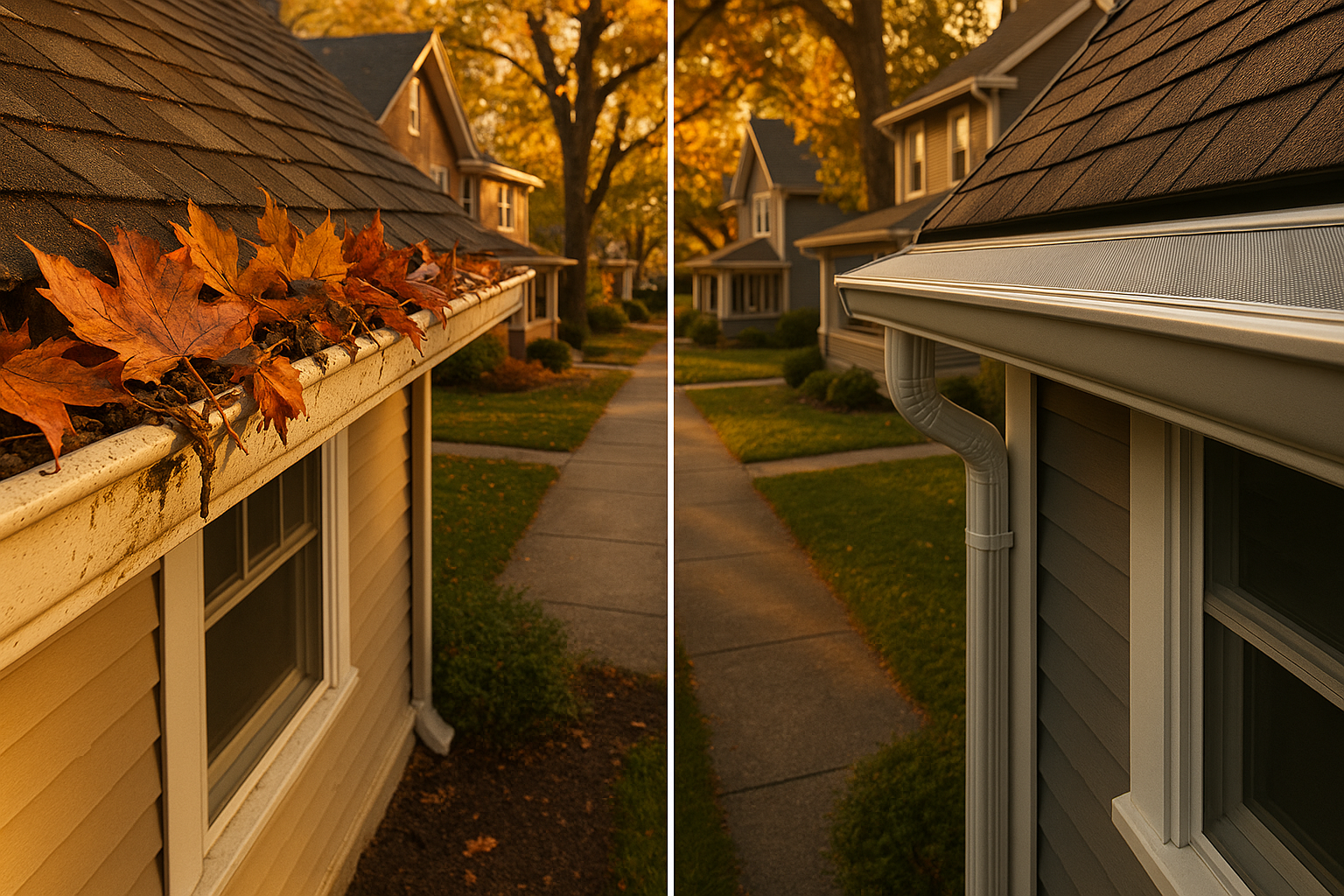
Indianapolis gets humid summers, heavy spring rain, and freeze-thaw winters that open tiny gaps at vents and rim joists. Our clay-heavy soil holds water and pushes vapor up into crawl spaces after every storm. If your downspouts dump water next to the foundation — a common issue in older neighborhoods like Meridian-Kessler or Irvington — you're feeding the problem. Areas near the White River or Fall Creek can also deal with a high water table and standing water after big storms.
I've seen crawl spaces in Carmel and Fishers with perfectly clean exteriors but water seeping through the walls because the lot slopes toward the house. That's why drainage matters as much as the liner. Check out our guide on yard grading to move water away from your foundation and the one about gutters and downspouts. If you don't fix the outside first, encapsulation alone won't solve the musty smell.
Signs Your Crawl Space Needs Help
You might notice a musty crawl space smell drifting into the living room. Or cold floors from crawl space in the winter. Hardwood floors can cup or buckle. Ductwork rusts, insulation falls down, and you may see white powdery stuff on the foundation walls called efflorescence. That's salt left behind when water evaporates. If you see any of that, your crawl space is trying to tell you something.
Mold prevention in crawl space starts with lowering humidity. Don't ignore the signs. Subfloor water damage can also show up as soft spots or squeaks. If you're seeing those, read more about signs of subfloor water damage. The longer you wait, the more expensive the fix.
How We Plan an Encapsulation Project
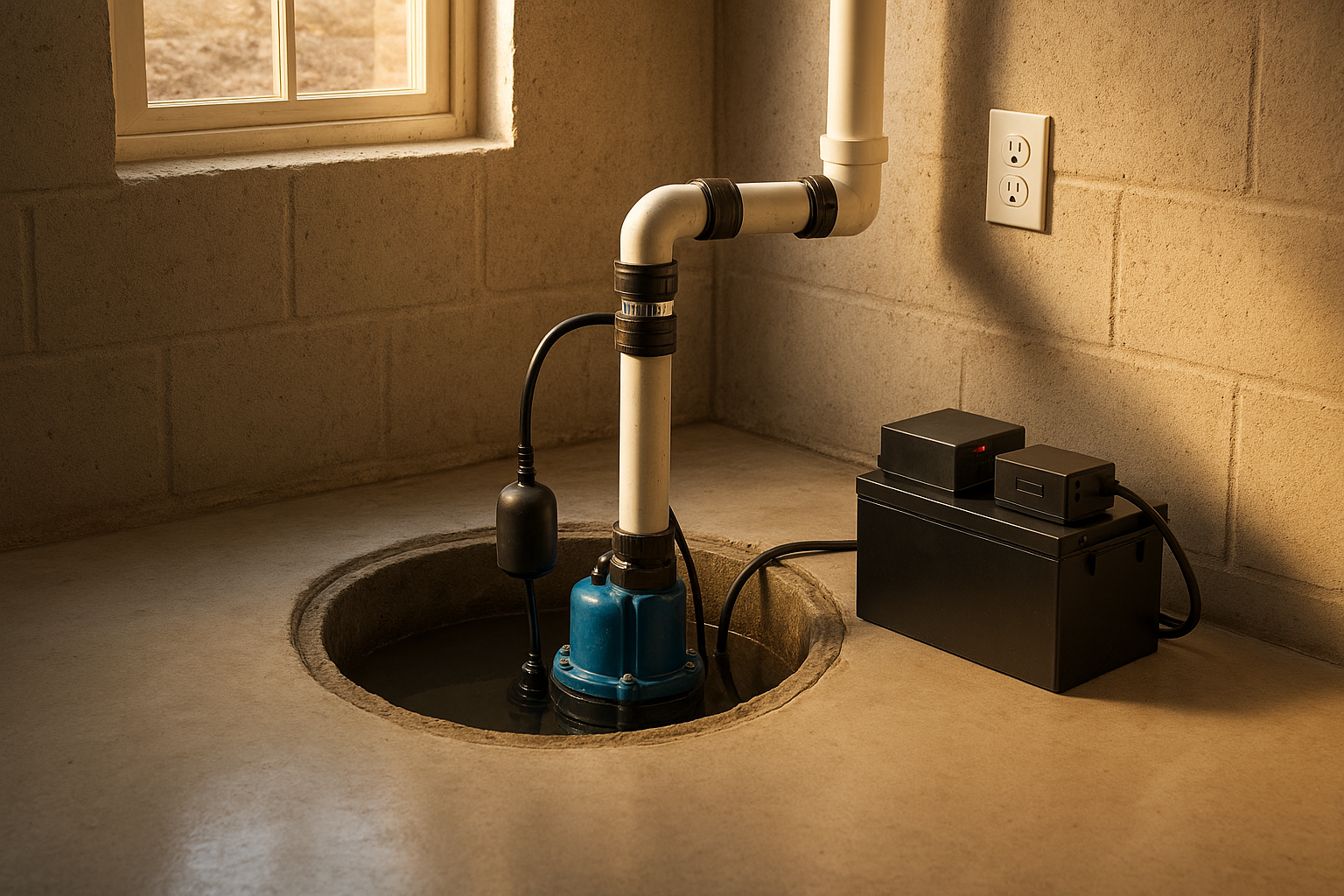
We don't just show up with a roll of plastic. HandyPros starts with an inspection. We measure moisture levels, check the grading, and look at your gutters and downspout extensions. If there's standing water or a high water table, we might recommend interior drain tile and a sump pump in the crawl space. Sometimes a French drain for crawl space is the right call if water moves through the soil. We also use drainage matting on walls where water is likely to travel.
Then we seal everything. We use a 12–20 mil reinforced liner, taped seams, and mechanical fasteners up the walls. We spray closed-cell foam at the rim joist to stop air leaks. We leave a small termite inspection gap above the liner so pest professionals can still see the foundation. If you're worried about radon and crawl spaces, encapsulation can actually help reduce radon entry, and a radon mitigation system can be installed later without tearing everything out.
Common Mistakes That Make Things Worse
DIY crawl space encapsulation with thin plastic from a home center might seem cheap, but it usually fails. Moisture still moves through, seams come apart, and water can pool on top. Leaving the vents open after "encapsulating" is another big one. Vents let humid air in, defeating the whole purpose. Some people insulate the floor joists instead of the walls. That leaves the crawl space cold and damp, and the insulation sags.
I've also seen crews skip exterior grading and downspout extensions. If water is pouring against the foundation, no liner will stop that. You need to fix drainage first. That's part of the Indiana spring storm prep too — check out our spring storm and flood prep checklist.
What It Costs and Why It Varies
Encapsulation cost factors include the size and height of your crawl, how easy it is to access, whether you need drainage or a sump, the thickness of the liner, how much wall insulation you add, and what dehumidifier you choose. A small, dry crawl in Zionsville might be straightforward. A large, wet crawl in Greenwood with a dirt floor and low clearance could cost more. We give a written quote after the inspection so you know exactly what's included. No one-size-fits-all numbers.
Is Crawl Space Encapsulation Worth It in Indiana?
For most homeowners, yes. The change in comfort is real. Floors feel warmer in winter, the musty smell goes away, and you stop worrying about mold on the wood structure. You also protect your HVAC ducts and plumbing from rust. A sealed crawl space is easier to keep clean and dry.
Maintenance is simple: keep the dehumidifier running, clean the filter, check the sump pump twice a year, and make sure the discharge pipe drains away from the house. We aim for a relative humidity crawl space of 50–60%. That's the sweet spot for mold prevention without drying out wood too much.
If you're in Indianapolis, Carmel, Fishers, Westfield, Noblesville, Brownsburg, Avon, Plainfield, or Lawrence, and you think your crawl space needs help, let's talk. We'll come out, inspect, take photos, and give you a clear plan and quote. No pressure. Just a straight answer about whether crawl space encapsulation is right for your home. Schedule your assessment here.
Ready for a free estimate?
Send us the list, and we'll quote a flat price before we schedule — no pressure, no obligation.