Last spring I got a text from a friend in Broad Ripple. Her basement carpet was squishing underfoot after a storm. She'd already dragged out the shop vac and a couple box fans, but water kept seeping back through the cove joint. That's a classic Indianapolis problem—clay soil plus a downspout dumping water right next to the foundation. She didn't need a full gut job. She needed someone to stop the source, dry it right, and patch the small stuff before it turned into a mold farm. That's what professional water damage restoration indianapolis actually looks like most of the time. Not a disaster movie scene. Just a methodical plan, some specialized drying equipment, and a clear repair path.
What Water Damage Restoration Actually Means
Water damage restoration isn't just vacuuming up puddles. It's a sequence: stop the source, extract standing water, dry and dehumidify, sanitize if needed, then repair finishes and fixtures. Water mitigation is the first half—getting things dry and stable. Restoration is the second half—putting your house back together. A good company walks you through both without making you feel like you're paying for a bunch of add-ons you don't understand. In Indianapolis, where spring thunderstorms and freeze-thaw pipe bursts are common, emergency water cleanup indianapolis often starts with a phone call and a quick assessment. But sometimes all you need is a plan, not a panic.
When the First 24 Hours Matter
If you walk into a flooded basement indianapolis on a Saturday morning, here's what actually helps. First, if it's a plumbing leak, shut off the water. If it's storm-related, don't wade into standing water if there's any chance of electrical contact—flip the breaker if you can do it safely. Then document everything with photos. Move valuables off the floor. Start some ventilation if you can, but don't spread water into dry areas with a big fan pointed the wrong way. One mistake I see a lot: people run a box fan on a wet carpet for three days and think they're done. But water wicks up drywall and under baseboards. You need moisture readings, not just a dry surface. That's where water mitigation indianapolis gets technical.
The Planning-First Approach
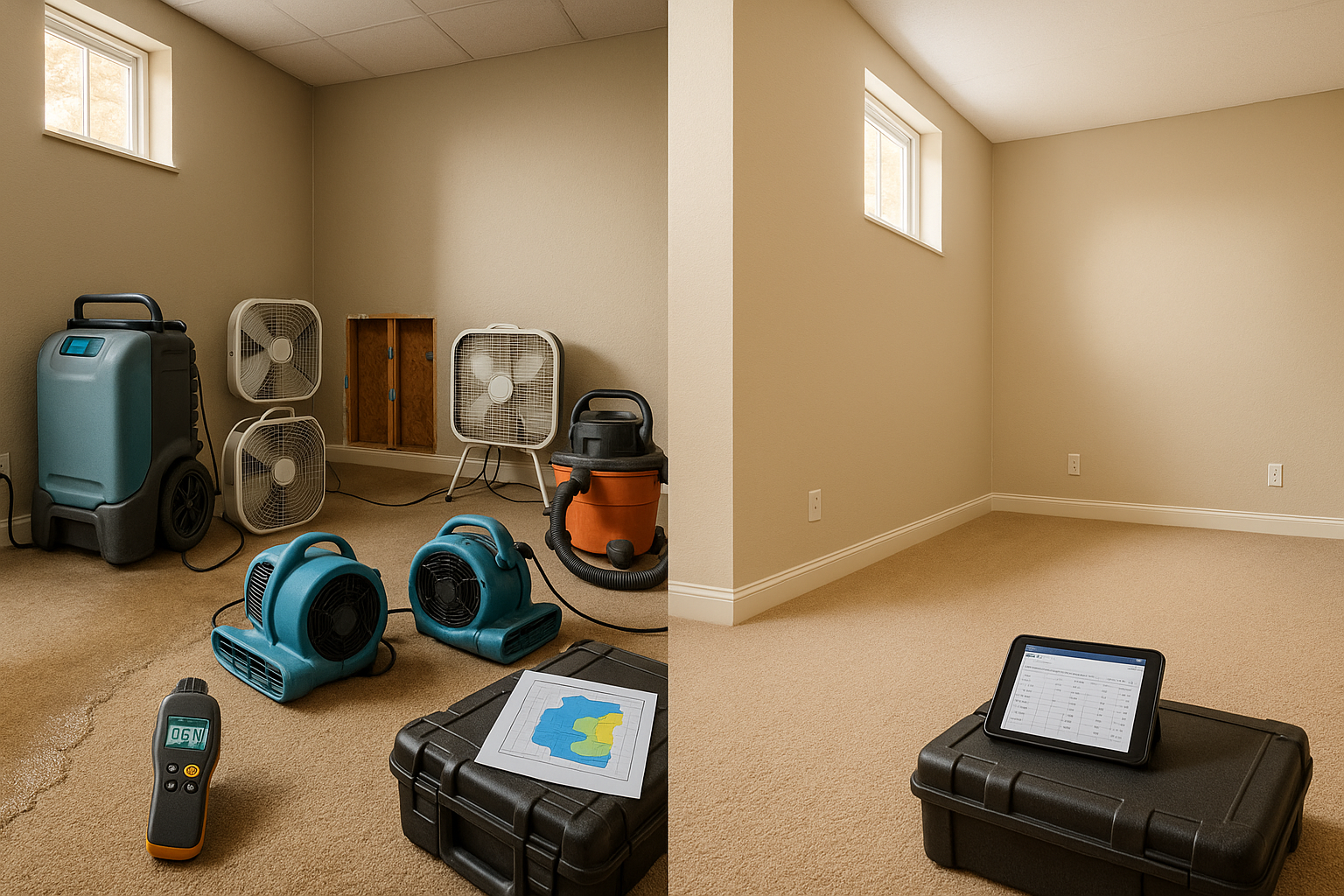
Here's a thing I appreciate about good restoration crews: they don't just start cutting drywall at knee height. They map the affected materials—drywall, subfloor, trim—and take moisture readings. They set up a drying plan with specific equipment, like dehumidifiers and air movers, and they document daily moisture levels. That log matters. It tells you when things are actually dry enough to close up walls, not just when it looks fine. And it gives you a baseline if there's ever an insurance question. If a contractor can't show you a moisture map and a drying schedule, you might be getting a vague scope. That's how people end up with baseboard replacement after water damage that still smells musty six months later.
Basements and Crawl Spaces: Where the Weird Stuff Hides
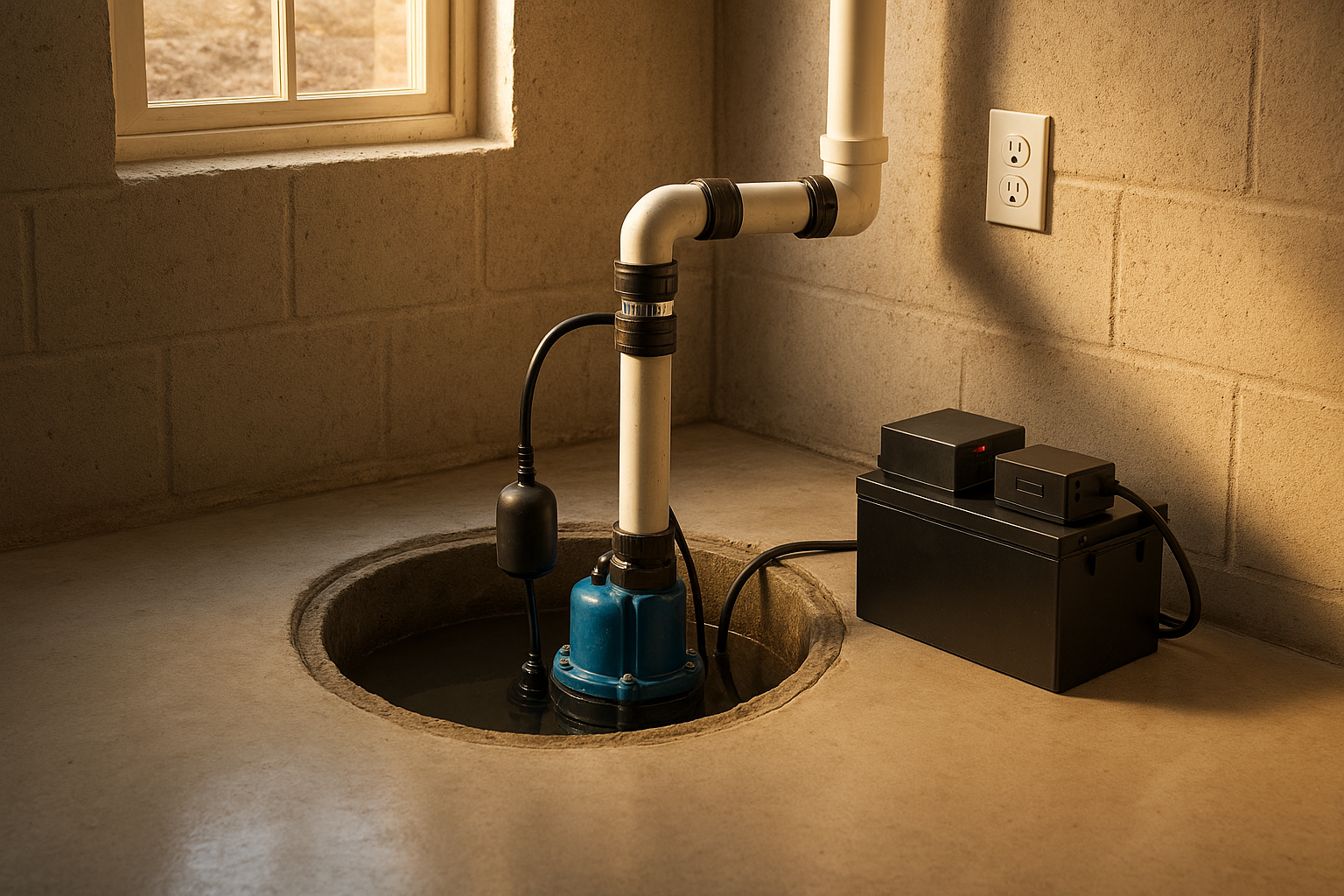
Indianapolis homes sit on clay-heavy soil that holds water against foundations. That's why basement water damage indianapolis shows up as a slow seep along the cove joint or a puddle under the window well after a downpour. In older neighborhoods like Meridian-Kessler or Irvington, stone and block foundations often need updated drainage. A sump pump that can't keep up during a power outage is another classic. I've seen homeowners in Fishers add a battery backup after a storm knocked out power and left two inches of water in a finished basement. Battery-powered sump pump backup indianapolis is a cheap insurance policy compared to redoing carpet and drywall.
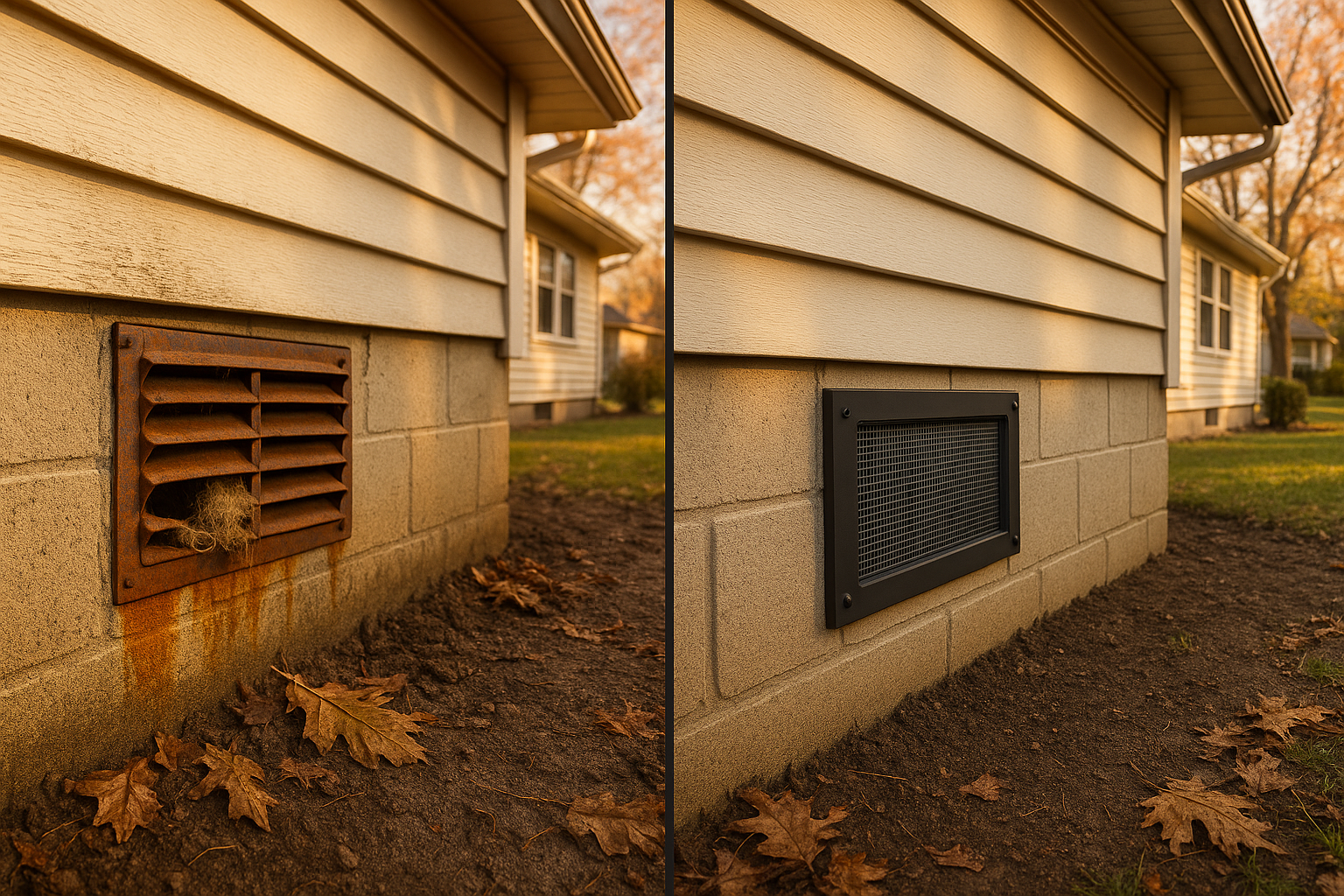
If you've got a crawl space, especially in an older bungalow in Broad Ripple or Fountain Square, seasonal humidity can cause condensation that looks like a leak. A vapor barrier and better venting can fix half the problem before it becomes crawl space water damage. And don't forget window well drainage indianapolis. A covered window well with clear gravel drainage is a simple fix that stops a lot of basement leaks before they start. I wrote more about that in the window well drainage guide.
Ceilings, Walls, and Trim: Spot Repair vs Full Replacement
Water stains on the ceiling are a common puzzle. A small brown ring under a bathroom might just need a stain-blocking primer and a coat of paint. But if the drywall is soft or you see sagging, you're into drywall repair after water damage territory. The same goes for baseboards. Once water wicks up the back of a baseboard, it can warp and pull away. Composite or PVC trim holds up better in humid spots. And swollen doors after water damage are a sign the jamb or subfloor absorbed moisture. You need to check the subfloor water damage signs—soft spots, squeaks that weren't there before, or a floor that feels bouncy. Replacing a section of subfloor is not a DIY weekend job. We've got a detailed post on subfloor damage.
The Simple DIY vs Pro Line
Here's my honest opinion. You can handle minor surface drying and cosmetic touch-ups—like wiping down a small puddle from a leaky pipe under the sink and repainting a small water stain after it's fully dry. But if you've got wet insulation, water behind walls, standing water in a crawl space, or repeated flooding from yard grading issues, call a pro. Mold prevention after water damage isn't just about spraying bleach. It's about getting materials dry within 48 hours and holding humidity below 50%. A restoration company has the meters and the dehumidifiers to do that. They also know how to document everything for an insurance claim water damage guidance. They won't promise your insurance will cover it, but a line-item scope with photos makes the adjuster's job easier. If you're navigating an insurance claim, ask your contractor about their experience with water damage restoration indianapolis. They should be able to give you line-item documentation that matches what your adjuster expects.
A Practical Prevention Checklist for Indy Homes
Before the next big storm, do these five things:
- Clean your gutters and downspouts. Mature trees in Carmel, Zionsville, and Greenwood shed a ton of leaves. Clogged gutters overflow and dump water right at the foundation. Read more about gutter and downspout flooding
- Make sure the ground slopes away from your house. Even a few inches of yard grading indianapolis over a 10-foot run can move a lot of water. Yard grading basics
- Check window wells. Clear debris, make sure the drain isn't clogged, and consider a fitted cover.
- Test your sump pump. Pour a bucket of water into the pit and make sure it kicks on. If you have a battery backup, test that too.
- Look for early warning signs: a musty smell in the basement, small water stains on the ceiling, or a door that starts sticking for no reason. Catch it before it becomes a full flooded basement indianapolis.
When to Call for an Assessment
If you've got water where it shouldn't be, the fastest way to stop guessing is an on-site assessment. HandyPros serves Indianapolis, Carmel, Fishers, Zionsville, Westfield, Noblesville, Greenwood, Brownsburg, Avon, Plainfield, and Lawrence. We'll do a scoped walk-through, give you a fixed timeline, and an itemized estimate. No vague hand-waving, no surprise change orders. Just a clear picture of what needs to dry and what needs to be fixed. Request a quote here. It's the quickest way to go from squishy carpet to a plan, with a local water damage restoration indianapolis team that actually shows up on time.
Ready for a free estimate?
Send us the list, and we'll quote a flat price before we schedule — no pressure, no obligation.